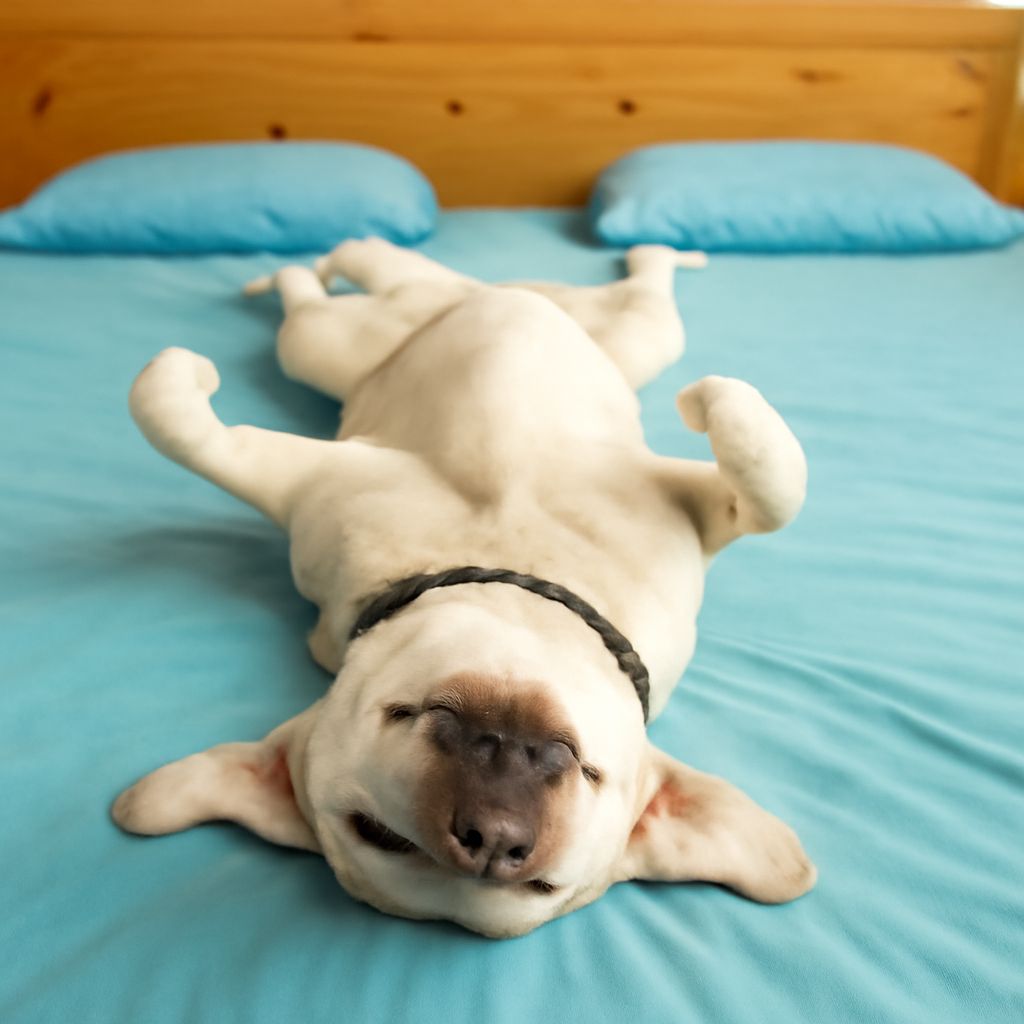
Many dog owners find themselves wondering, “Why is my dog sleeping so much?” It’s a common concern, especially when you notice your furry companion seems to sleep all day. However, understanding the reasons behind your dog’s sleeping habits can demystify these behaviors. Canine rest is influenced by a variety of factors, ranging from age and breed to health and environment. This article explores the reasons why your dog sleeps a lot and helps you determine if it’s a cause for concern.
While some dogs may simply have a more relaxed demeanor, others might sleep excessively due to underlying health issues. It’s important to differentiate between normal and excessive sleep patterns to ensure your pet’s well-being. By understanding canine sleep patterns, you’ll be better equipped to care for them. Let’s explore what normal sleep looks like for dogs and when you should be concerned.
Understanding Canine Sleep Patterns
How Much Sleep Is Normal for Dogs?
Dogs typically need a significant amount of rest compared to humans. A normal sleep pattern for an adult dog ranges between 12 to 14 hours per day. Puppies, on the other hand, require even more rest due to their rapid development, often sleeping up to 18 hours a day. Senior dogs may also experience increased sleep as their bodies require more recovery time.
Factors That Affect Dog Sleep
Several elements can affect dog sleep. The environment plays a significant role; a calm and quiet space encourages restful sleep. Changes in your dog’s routine or household dynamics can also impact their sleep duration and quality. Different breeds have varying energy levels, with working breeds typically needing less sleep than toy breeds.
Reasons Why Your Dog Sleeps All Day
Age and Breed Considerations
The age and breed of your dog greatly influence their sleep habits. Puppies and older dogs naturally sleep more than those in their prime. Breed characteristics also play a part; for instance, Greyhounds and Bulldogs are known for their love of napping. Recognizing these factors can help you understand why your dog may appear to sleep excessively.
Health Concerns That Cause Excessive Sleep
Excessive sleeping can sometimes signal health issues. Conditions such as hypothyroidism or diabetes can lead to increased lethargy, prompting your dog to sleep more. Additionally, infections or pain might contribute to a decrease in activity and an increase in rest. If your dog shows other symptoms like changes in appetite or behavior, it’s vital to consider a health check-up.
When to Consult a Veterinarian
Signs of Sleep Disorders
While a lot of sleep might be normal, certain signs suggest the need for a veterinarian’s advice. If your dog’s regular sleep is interrupted by frequent wakefulness, or if they snore loudly and exhibit difficulty breathing, these may be indicators of sleep disorders. Persistent lethargy despite adequate rest also warrants professional evaluation.
Steps to Take for Better Sleep Health
To promote healthier sleep patterns, ensure your dog has a comfortable sleeping area free from disturbances. Regular exercise can help balance their energy levels, reducing excessive daytime sleepiness. Monitoring their diet and addressing any health concerns promptly will also contribute to better sleep health. In cases of persistent sleep issues, consult a veterinarian for guidance tailored to your dog’s specific needs.