Many dog owners find themselves puzzled when their dog is lethargic but eating and drinking. It’s a common misconception that a dog showing lethargy must also have a loss of appetite. Indeed, a dog can be lethargic without necessarily refusing food or water. Understanding why your dog might be lethargic and not eating is crucial. Even if your dog is eating and drinking normally, lethargy can signal underlying health issues that need addressing. From fever to heat cycles in female dogs, multiple factors contribute to canine lethargy.
In particular, when a female dog in heat is not eating, owners often worry excessively, associating heat cycles with severe health problems. However, while these cycles can affect appetite, not all instances of a dog being lethargic and not eating imply an emergency. This article will guide you through understanding these symptoms, knowing when to consult a vet, and managing your pet’s health effectively.
Understanding Lethargy in Dogs
What does lethargy mean for your dog?
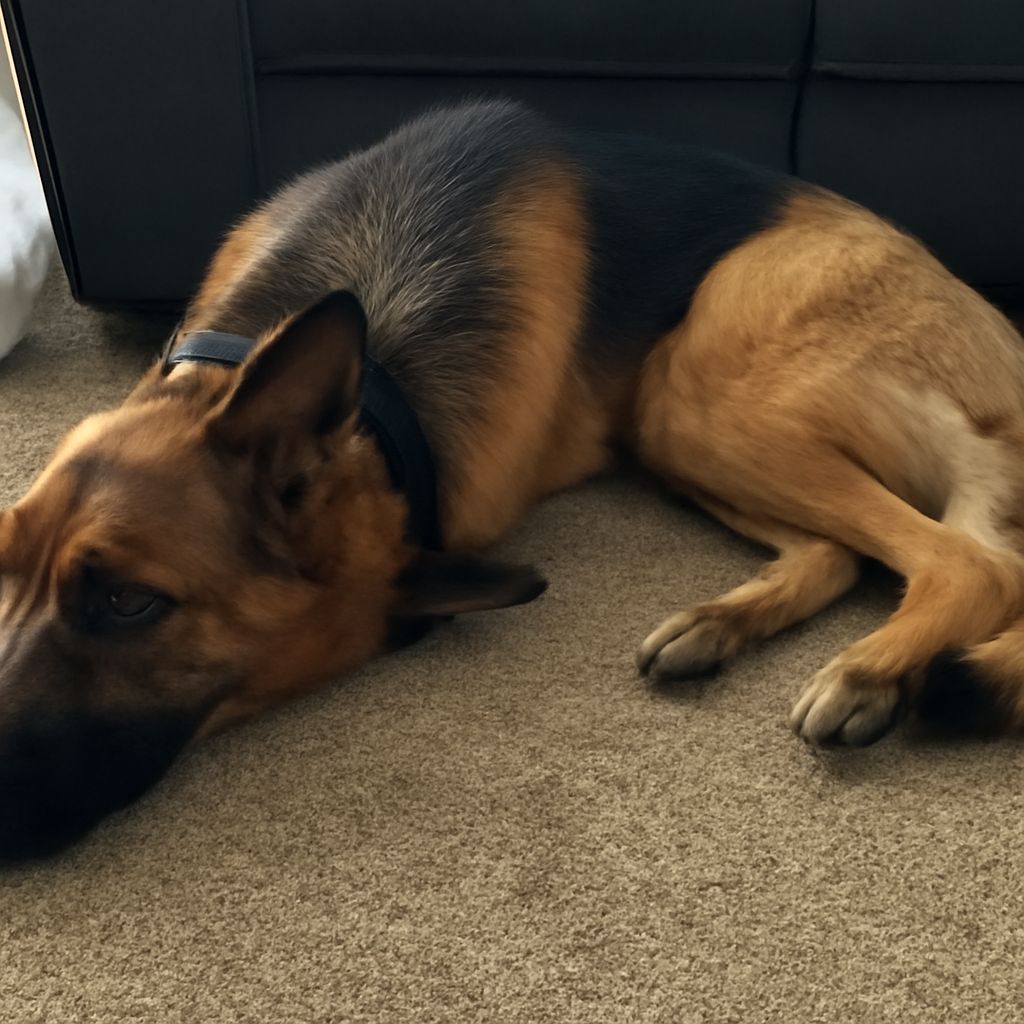
Lethargy in dogs is characterized by a lack of energy and enthusiasm. This condition causes your dog to appear lazy or less active than usual. If your dog is lethargic, it might sleep more and show disinterest in activities they typically enjoy.
Common signs of lethargy in dogs
A lethargic dog will often display signs like sleeping more than usual, moving sluggishly, and showing a reduced interest in play or exercise. These symptoms can be sporadic or continuous, warranting a closer look if they persist.
Why Is My Dog Lethargic but Eating and Drinking?
Potential causes of lethargy despite normal eating and drinking
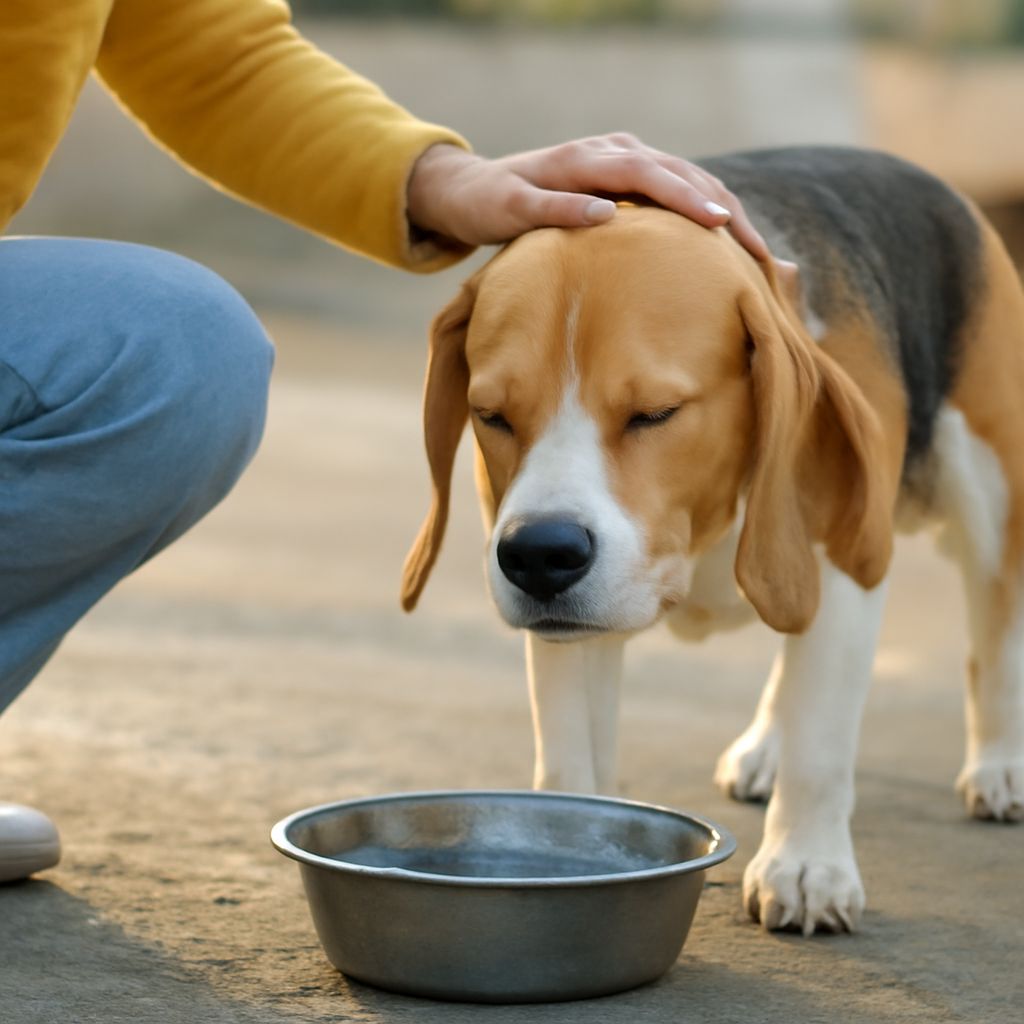
Numerous factors can lead to a dog being lethargic while still consuming food and water. Conditions like mild infections, stress, or recovery from a minor injury may cause temporary lethargy. Monitor your dog’s symptoms closely to determine if they resolve or require attention.
When to consult a vet
If lethargy persists for more than a couple of days, it is best to consult a veterinarian. A professional can diagnose underlying causes, which may include more severe health conditions requiring intervention.
Dog Lethargic and Not Eating: Causes and Concerns
Possible health issues affecting appetite and energy
While a dog not eating and lethargic might seem worrying, it could stem from problems like gastrointestinal disturbances or infections. Both these issues can influence appetite and energy levels.
Managing serious symptoms
Contact a vet if your dog refuses food for more than 24 hours, especially when coupled with lethargy. Immediate attention is necessary for symptoms such as vomiting or diarrhea, which can dehydrate your pet quickly.
Is Your Dog Not Eating and Lethargic?
Distinguishing between temporary and serious conditions
Sometimes, dogs experience temporary appetite loss and lethargy due to stresses like changes in environment or routine. However, prolonged symptoms might indicate more serious conditions such as organ dysfunction or systemic disease.
Steps to improve your dog’s appetite and energy
Enhancing your dog’s diet with high-quality nutrition and ensuring regular exercise can boost energy levels. If appetite remains low, consider dietary supplements after consulting a vet.
Dog Fever, Lethargy, and No Appetite: What It Means
Signs of fever in dogs
Fever in dogs can cause lethargy and a reduced desire to eat. Symptoms of fever include warm ears, a dry nose, and shivering. A thermometer can confirm if your dog has a fever.
How fever affects your dog’s behavior and appetite
Fever often results in decreased energy and appetite as the dog’s body fights infection. If fever persists beyond a day, veterinary care is essential to address potential infections.
Female Dog in Heat Not Eating: Should You Worry?
The impact of heat cycles on appetite
During a female dog’s heat cycle, hormonal changes can cause variations in appetite, sometimes leading to reduced food intake. This phase is typical and usually temporary.
Managing dietary needs during heat
Provide balanced nutrition and keep an eye on hydration levels during a female dog’s heat cycle. If a dog refuses food for extended periods, consult a vet to rule out other health concerns.