Many dog owners believe that if their dog’s paw gets injured, it’s best to leave it to heal on its own. On the contrary, knowing how to bandage your dog’s paw correctly can be crucial in preventing infections and promoting quick recovery. Similarly, misconceptions about vaccinations can lead to either over-vaccinating or neglecting essential shots. Understanding at what age to stop vaccinating your dog ensures their immune system is well-supported without unnecessary interventions.
Another common challenge is dealing with a dog that chews excessively. While some may think this behavior is just a phase, learning how to stop your dog from chewing can save your furniture and help your furry friend develop healthy habits. Lastly, safeguarding your dog against natural threats is vital, and ways to keep a hawk away from your dog are worth exploring for those in vulnerable areas.
How to Bandage Your Dog’s Paw
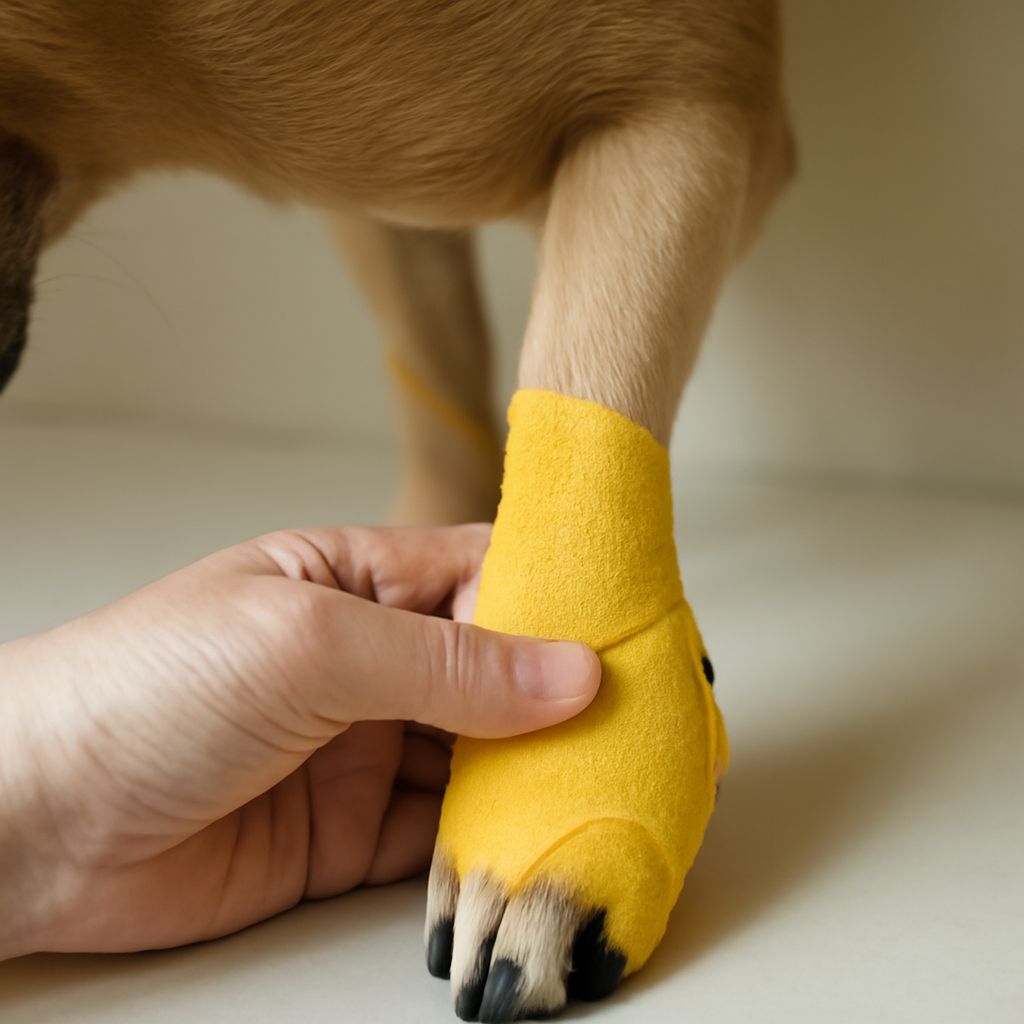
When your dog’s paw suffers an injury, promptly bandaging it is crucial. Start by cleaning the wound with a mild antibacterial wash to remove debris and reduce infection risk. Next, apply a sterile gauze pad directly on the wound. Wrap the paw with an elastic bandage, ensuring it’s snug but not overly tight. This helps in stabilizing the area while permitting circulation and movement.
Check the bandage regularly, especially if your dog is active. If the bandage becomes loose or damp, replace it promptly. Remember that severe wounds or persistent issues may require a veterinarian’s expertise.
At What Age Should You Stop Vaccinating Your Dog
Determining when to stop vaccinating your dog can be tricky. Typically, most dogs receive a series of vaccinations during their first year. After this, annual booster shots are common. However, as dogs age, their need for frequent booster shots diminishes. Many veterinarians suggest tapering off vaccinations after your dog reaches seven years, focusing only on essential vaccines based on lifestyle and exposure risks.
Consulting with your veterinarian is always advisable when deciding on vaccinations, especially if your dog has health concerns or allergies. They can provide personalized advice based on your dog’s individual needs.
How to Stop Your Dog from Chewing
If your dog is chewing on everything in sight, there are effective methods to curb this habit. First, provide appropriate chew toys. Dogs often chew out of boredom, so engaging them with interactive toys or puzzles can redirect this behavior. Establish clear rules; if you catch your dog chewing on furniture, redirect them immediately to their toy.
Consistent training is key. Reward your dog when they choose their toys over household items. Additionally, consider using repellents like bitter sprays on items they frequently target. For persistent chewing issues, behavioral experts can offer tailored solutions.
Protecting Your Dog from Hawks
Keeping hawks away from your dog involves understanding their flight patterns and behavior. Hawks tend to avoid areas with obstacles, so creating a covered space for your dog can deter them. Use mesh or wire covers to create a physical barrier if your backyard is prone to hawk sightings.
Supervised play is also important. Larger dogs are generally less at risk, but smaller breeds can be vulnerable. You can employ scare tactics, like loud noises or reflective objects, to discourage hawks from approaching. If hawks are a significant concern, consulting wildlife experts can offer additional strategic insights.
Bottom line: Caring for your dog involves proactive measures across various aspects, from health to safety. By understanding and addressing potential risks, you can ensure your furry friend remains happy and healthy. Always seek professional advice when faced with complex issues or when uncertain about the best course of action.