Dog training often conjures images of commands, treats, and obedience trials, yet many pet owners overlook a crucial element: the dog’s mouth anatomy. It’s a common misconception that understanding dog collar training alone will lead to successful obedience. In reality, the anatomy of a dog’s mouth, including the tongue, plays a significant role in how they respond to training. Surprisingly, factors like dog tongue anatomy can influence training effectiveness, making it essential for any pet parent to grasp these anatomical nuances before considering advanced methods such as shock collars.
Additionally, when looking to adopt a new furry friend, many focus on purchasing a pet adoption certificate template for the sentimental value, neglecting the importance of preparing for comprehensive training. It’s essential to go beyond the basics and dive into the intricacies of dog mouth anatomy and training techniques, ensuring that your companion is both well-behaved and healthy.
What Is Dog Mouth Anatomy and Why Is It Important?
Understanding the anatomy of a dog’s mouth is crucial for effective training. The mouth is not just for eating or barking; it’s a complex structure that plays a pivotal role in communication and learning. The teeth, gums, tongue, and palate all contribute to how a dog interacts with its environment. Recognizing this complex anatomy helps trainers develop better strategies tailored to each dog’s unique needs.
Moreover, a dog’s mouth anatomy affects how they perceive rewards and corrections. Proper knowledge allows trainers to use techniques that peacefully work with the dog’s natural inclinations, leading to a harmonious training experience. Consulting a licensed stylist or veterinarian can provide deeper insights, especially if the dog shows signs of dental issues or mouth discomfort.
How Does Dog Tongue Anatomy Affect Training?
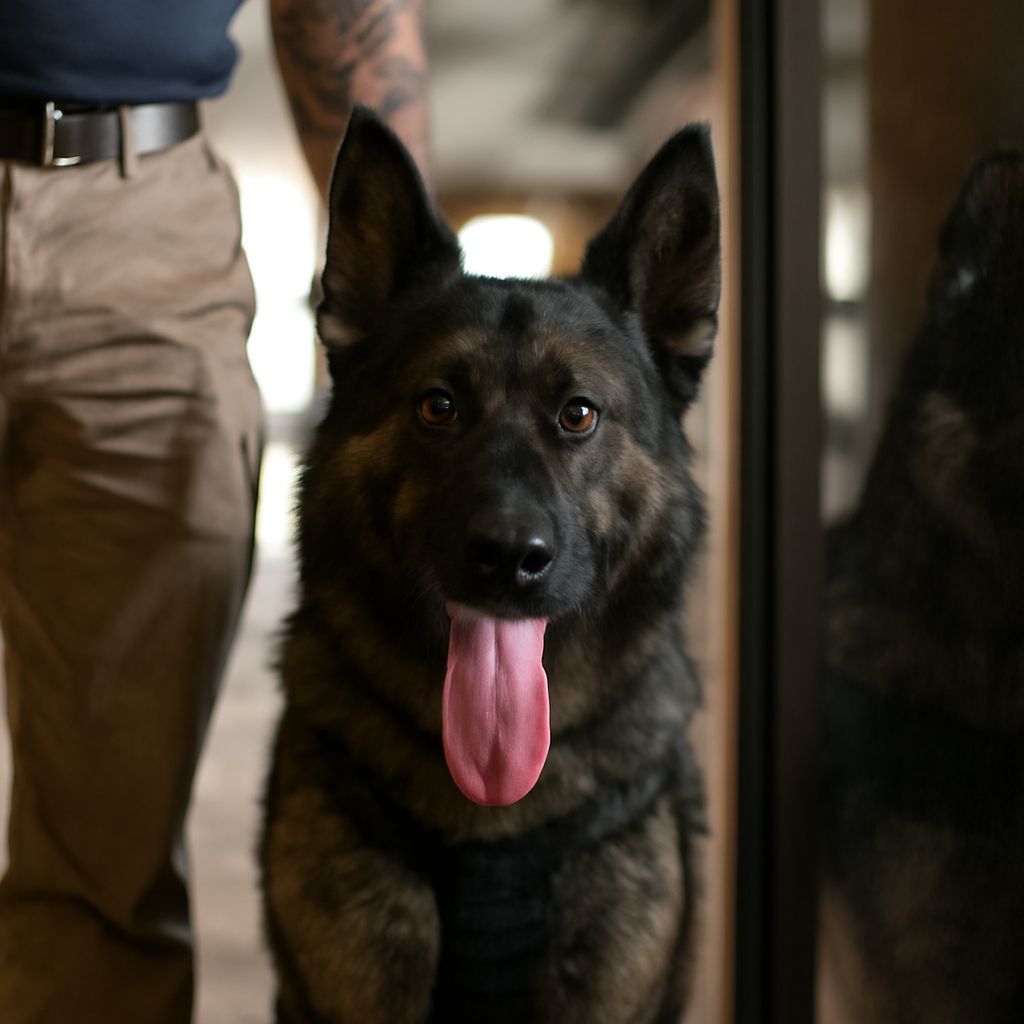
The tongue is more than just a tool for taste; it’s integral to how dogs express themselves and respond to training. Dog tongue anatomy impacts their ability to follow commands, take treats, and show affection. A healthy, agile tongue aids in signal interpretation and is important for efficient communication between the pet and the trainer.
Variations in the tongue’s shape and size can affect vocalizations, which play a part in training. Dogs rely heavily on their tongues for sensory input, affecting their willingness to engage during training sessions. By understanding how the tongue functions, trainers can adjust their techniques to better suit each dog’s capabilities.
What Are Effective Dog Collar Training Techniques?
Dog collar training is a staple in obedience education and comes in various forms, from basic leads to advanced electronic collars. The effectiveness of these techniques depends on the dog’s mouth anatomy and the trainer’s approach. Collars should be used to guide, not punish, and should never cause harm or discomfort.
Training with a collar involves gradual introduction and positive reinforcement. Start with a simple collar and gradually transition to more advanced options as the dog becomes accustomed. It’s important to ensure the collar fits properly and does not constrict the dog’s throat or mouth movements. Regular checks for abrasions or signs of discomfort are necessary to maintain the dog’s health and happiness.
How to Properly Train a Dog with a Shock Collar
Shock collars can be a controversial tool, but when used properly, they can enhance training outcomes. Proper training with a shock collar requires an understanding of both dog mouth anatomy and the collar’s mechanism. The key is to use the collar as a tool for reinforcement rather than punishment.
Begin by setting the collar to the lowest setting and gradually increase as needed. Positive reinforcement should accompany any correction to reinforce desirable behaviors. It’s crucial to monitor the dog’s responses closely, ensuring no adverse effects on their mouth or general health. Consulting a professional or licensed dog trainer before using a shock collar can provide valuable guidance, especially for pet parents new to this method.
Safety recap: While tools like shock collars can be effective, ensure they are used thoughtfully and in conjunction with a thorough understanding of dog mouth anatomy. Always prioritize the dog’s safety and comfort, consulting professionals when in doubt about training techniques or equipment. Proper care and attention will guarantee a well-trained, happy pet.