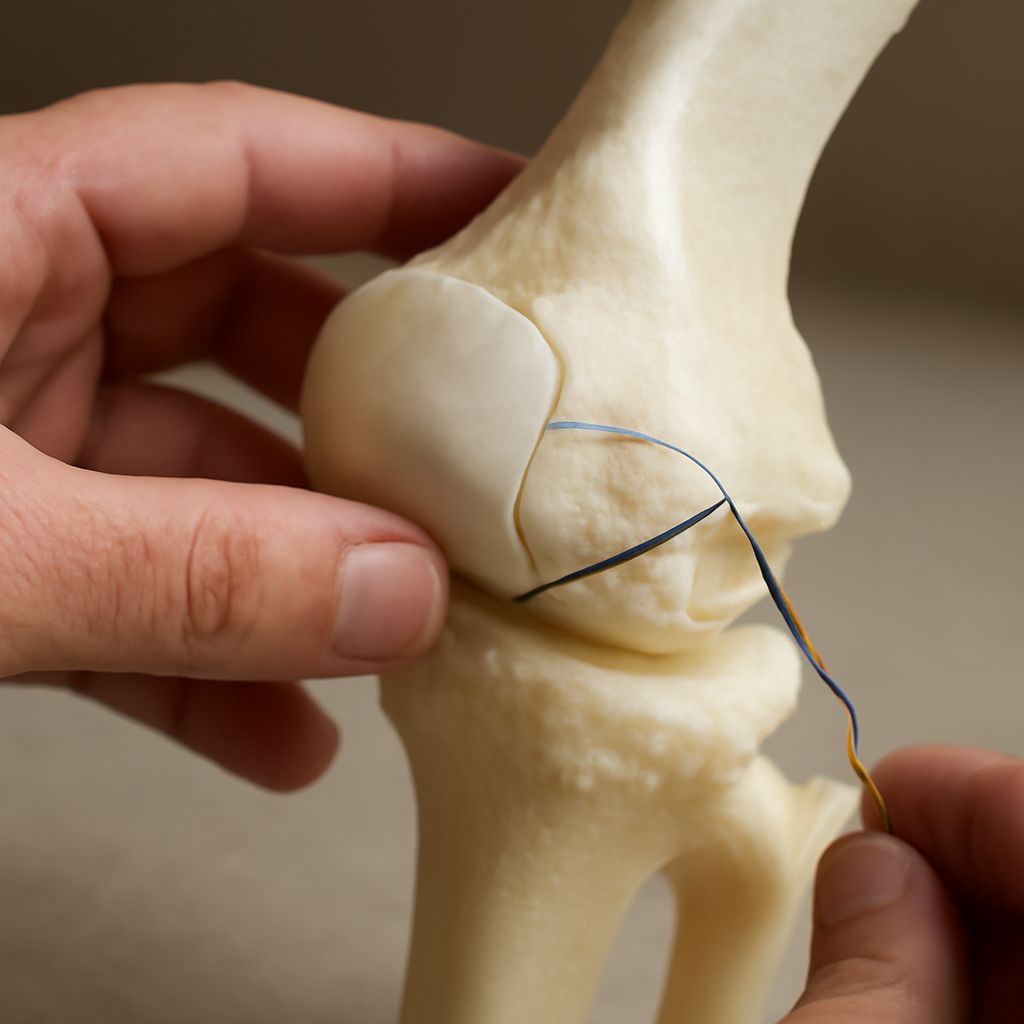
Many people believe that ACL injuries in dogs are impossible to recover from or that surgery is a dismal process with minimal outcomes. Some even assume that the recovery complications far outweigh the benefits of going through the procedure. In reality, ACL surgery for dogs is a commonly performed procedure with a high success rate. It helps with recovery, allowing dogs to regain their previous activity levels and significantly improve their quality of life.
While apprehensions around potential recovery complications are understandable, it’s crucial to dispel myths surrounding this procedure. Understanding dog ACL surgery, including its success rate and recovery process, can equip pet owners with the knowledge required to make informed decisions about their dog’s health. Let’s delve into the surgical process, its effectiveness, and what recovery entails.
What is Dog ACL Surgery?
Dog ACL surgery, often referred to as cruciate ligament surgery, is designed to repair tears in the anterior cruciate ligament of dogs. This condition is analogous to ACL injuries in humans, leading to pain and instability in the knee joint. The surgical procedure aims to stabilize the joint and mitigate further damage.
There are several variations of the surgery, including extracapsular repair, tibial plateau leveling osteotomy (TPLO), and tibial tuberosity advancement (TTA). Each method has its specific approach to addressing the torn ligament and restoring joint function. It’s important to consult with a veterinary orthopedic specialist to determine which procedure best suits your dog’s condition.
How Successful is ACL Surgery for Dogs?
The success rate of dog ACL surgery is generally high. The majority of dogs undergoing cruciate ligament surgery experience significant improvements in mobility and pain reduction. Among the different surgical techniques, TPLO is noted for its effectiveness, with many dogs returning to their pre-injury activity levels.
Determining the success rate of ACL surgery involves assessing the dog’s post-operative recovery and long-term mobility. Most dogs show marked improvement within weeks of the operation, and continued progress is expected over the subsequent months. The success of the surgery is also influenced by factors such as the dog’s age, weight, and adherence to post-operative care instructions.
What are the Potential Recovery Complications?
While ACL surgery for dogs is typically successful, there are potential recovery complications that pet owners should be aware of. Post-operative care is critical in minimizing these risks. Possible complications include infection at the incision site, swelling, or reaction to metal implants used in some procedures.
To mitigate these risks, follow all post-operative care guidelines provided by your vet. Ensuring that your dog maintains a healthy weight and adheres to a recommended exercise regimen can foster optimal recovery and prevent complications. Regular veterinary check-ups during the recovery period are essential to monitor healing and address any emerging issues promptly.
In rare cases, some dogs may not respond as expected to the surgery and might require additional interventions. Consulting with your veterinarian about any persistent issues can help resolve concerns and ensure the best possible outcome for your pet.
Overall, dog ACL surgery provides a viable path to restore your dog’s quality of life, offering a solution to recover from severe ligament injuries. While recovery complications can occur, with proper care and attention, most dogs experience a full return to their active selves.