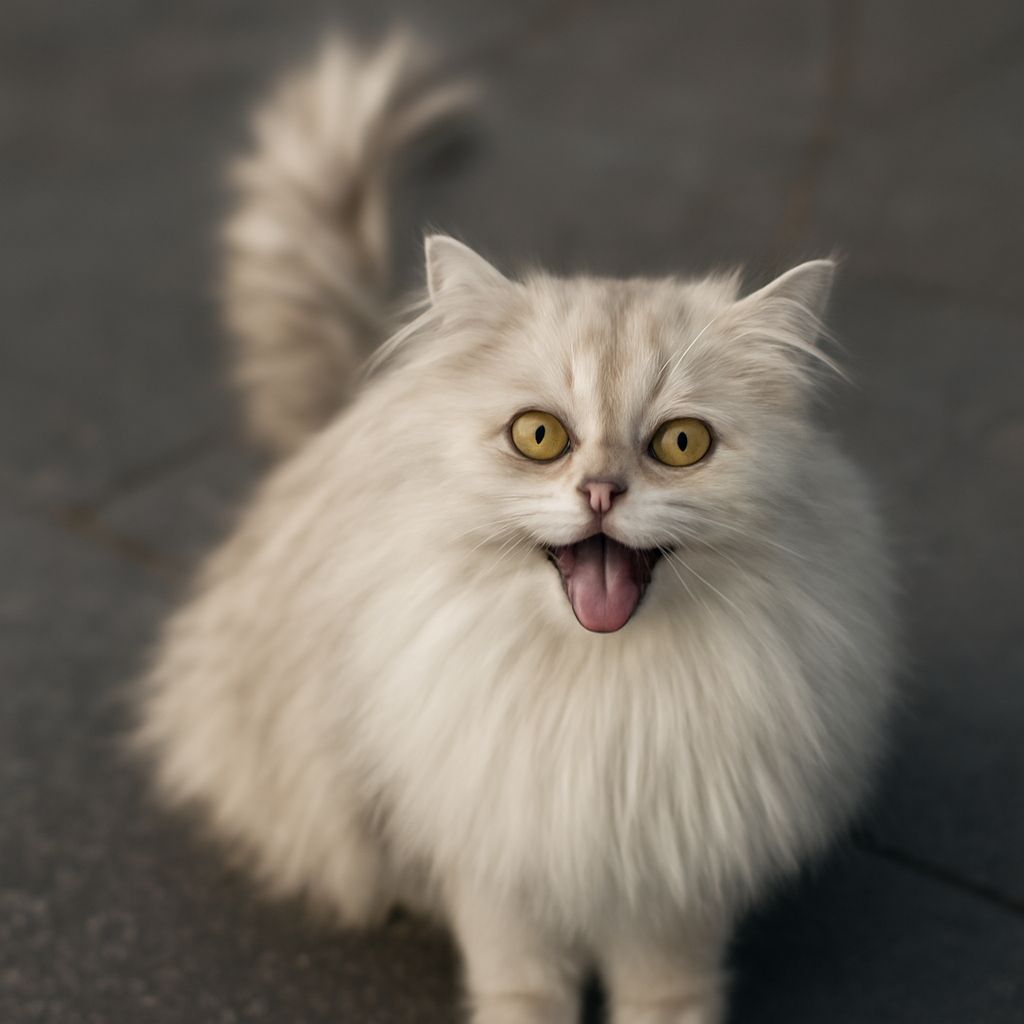
The allure of owning wild cats as pets has been growing, with many people captivated by the idea of having a piece of the wild within their homes. However, the reality of maintaining exotic pet cats is vastly different from the glamorous image often portrayed. Owning a wild cat pet involves significant commitment, deep understanding, and a willingness to meet their complex needs. Exotic cat pets are not mere domesticated kittens; they are creatures with instincts and requirements that challenge even seasoned pet owners.
While the concept of living with a wild cat pet may sound intriguing, it’s important to separate myth from reality. Exotic cats can be unpredictable, and they bring with them a set of considerations that transcend the typical experiences of owning domestic pets. Before committing to a life with exotic feline companions, potential owners must consider the legal, ethical, and practical dimensions that accompany these captivating animals. This article delves into the various facets of owning exotic cat pets, providing a comprehensive guide for those considering welcoming these unique animals into their lives.
What Are Exotic Pet Cats?
Exotic pet cats include species that are not traditionally domesticated and often have a distinct lineage linked to wild ancestors. These feline companions can range from small wildcat breeds like the serval or caracal to more widely recognized species such as the bobcat. Unlike domestic cats, exotic cat pets exhibit behaviors and traits that are deeply ingrained by their wild heritage, making them unique but challenging companions.
Understanding the nature of these exotic cats is crucial for potential owners. They often maintain the need for larger territories and displays of natural hunting instincts, which can pose difficulties in a typical home setting. Proper care of these animals requires not only attention to their physical needs but also their mental and emotional well-being.
Can Wild Cats Be Kept as Pets?
The question of whether wild cats can be kept as pets is a complex one. While some people successfully share their lives with exotic cats, these instances typically involve significant resources and expertise. Wild cats as pets require environments that mimic their natural habitats, including ample space and stimulation to accommodate their active lifestyles.
Owners must also consider the potential risks involved. Even smaller wild cats can inflict harm if they feel threatened, and their unpredictable nature means that they may not be suitable for families with small children or other pets. Successful ownership often depends on a deep understanding of the specific species and individual personality of the cat.
Considerations for Owning Exotic Cat Pets
Owning exotic cat pets is a commitment that extends beyond the typical pet ownership experience. Potential owners must be prepared to invest time, money, and effort into creating a suitable environment. This includes specialized enclosures, dietary requirements tailored to each species, and regular veterinary care from professionals experienced with exotic animals.
Socialization is another critical consideration. Exotic cats require proper social interaction to develop bonds with their owners and manage their natural behaviors. This process can be time-consuming and demands patience and consistency. Prospective owners should be fully aware of these considerations before deciding to bring an exotic cat into their home.
Legal and Ethical Aspects of Owning a Wild Cat Pet
The legal landscape surrounding the ownership of wild cat pets varies significantly by region. Some areas impose strict regulations or outright bans on keeping certain species, emphasizing the need for potential owners to research and comply with local laws. Additionally, ethical considerations should not be overlooked. The welfare of the animal must always come first, and prospective owners should consider if they can genuinely meet all the needs of an exotic cat.
It is advisable to consult with a licensed stylist or animal behaviorist when considering complex matters such as color correction or behavioral training for exotic cats. These professionals can provide valuable insights into the intricate needs of these animals.
Alternatives to Exotic Pet Cats: Exploring Dog Dock Jumping
For those intrigued by the idea of owning a unique pet but hesitant to commit to an exotic cat, exploring alternative activities such as dog dock jumping may be worthwhile. While not directly related to feline companions, dog dock jumping offers an exciting and dynamic way to engage with pets, providing both physical activity and mental stimulation.
This sport, which involves dogs leaping off docks into water, can be a thrilling hobby that fosters a deep bond between owner and pet. It serves as an exciting alternative that still offers a unique pet ownership experience without the complexities of owning a wild cat.
Key takeaways: Owning exotic pet cats requires thorough research and preparation, considering legal, ethical, and practical aspects. Exotic cats can be demanding pets, and alternatives like dog dock jumping may serve as suitable options for those seeking unique pet experiences.