Many dog owners face a moment of panic when hearing their furry friend might need ACL surgery. It’s easy to get swept up in the myths and misconceptions surrounding the subject, especially regarding the cost and procedure itself. Some believe that a torn ACL in dogs leads to exorbitant expenses, while others think recovery is impossible. Understanding the real dog ACL surgery cost and the process can aid in making informed decisions for your pet’s health.
Dog knee surgery, particularly for a torn ACL, is more common than you might think. Factors such as the dog’s size, age, and overall health influence not only the surgery’s success but also the costs involved. By diving into the factors affecting the cruciate ligament dog surgery cost, pet owners can better prepare for the financial and emotional journey ahead.
What Factors Influence the Dog ACL Surgery Cost?
The cost of ACL surgery for dogs can vary significantly based on several considerations. Firstly, the geographical location plays a crucial role; surgeries in urban areas often have a higher price tag than those in rural settings. Additionally, the veterinarian’s expertise and the type of clinic can impact the cost. Specialists with a strong reputation or those operating in state-of-the-art facilities may charge more.
Another factor is the severity of the injury. A complete tear of the anterior cruciate ligament may require more complex surgical techniques, thus increasing the price. The dog’s size and weight also matter because larger dogs might need more anesthesia and medications, affecting the overall cost. Lastly, follow-up care, including physical therapy and post-operative visits, also contributes to the total expense.
How Much Does Dog Torn ACL Surgery Cost?
The financial aspect of dog torn ACL surgery is a significant concern for many pet owners. Typically, the cost ranges from $1,200 to $5,000, depending on the factors previously discussed. For instance, basic procedures in smaller towns might be on the lower end of the spectrum, while advanced surgeries in metropolitan areas can be quite expensive.
Different surgical techniques also play a role in determining the price. The traditional extracapsular repair, often less costly, contrasts with the more advanced TPLO (Tibial Plateau Leveling Osteotomy) or TTA (Tibial Tuberosity Advancement) surgeries, which might be recommended for larger breeds or severe tears. These advanced methods generally have a higher success rate but come with a higher price tag.
To manage these costs, consulting with your veterinarian about various options and their long-term benefits is crucial. Some pet insurance plans may cover part of the expenses, but it’s essential to check policy details beforehand.
What to Expect from Cruciate Ligament Dog Surgery?
Understanding the cruciate ligament dog surgery process can alleviate some worries and help ensure a smooth experience for both the pet and owner. The procedure typically begins with a pre-surgical assessment, including blood tests and imaging, to confirm the diagnosis and plan the operation.
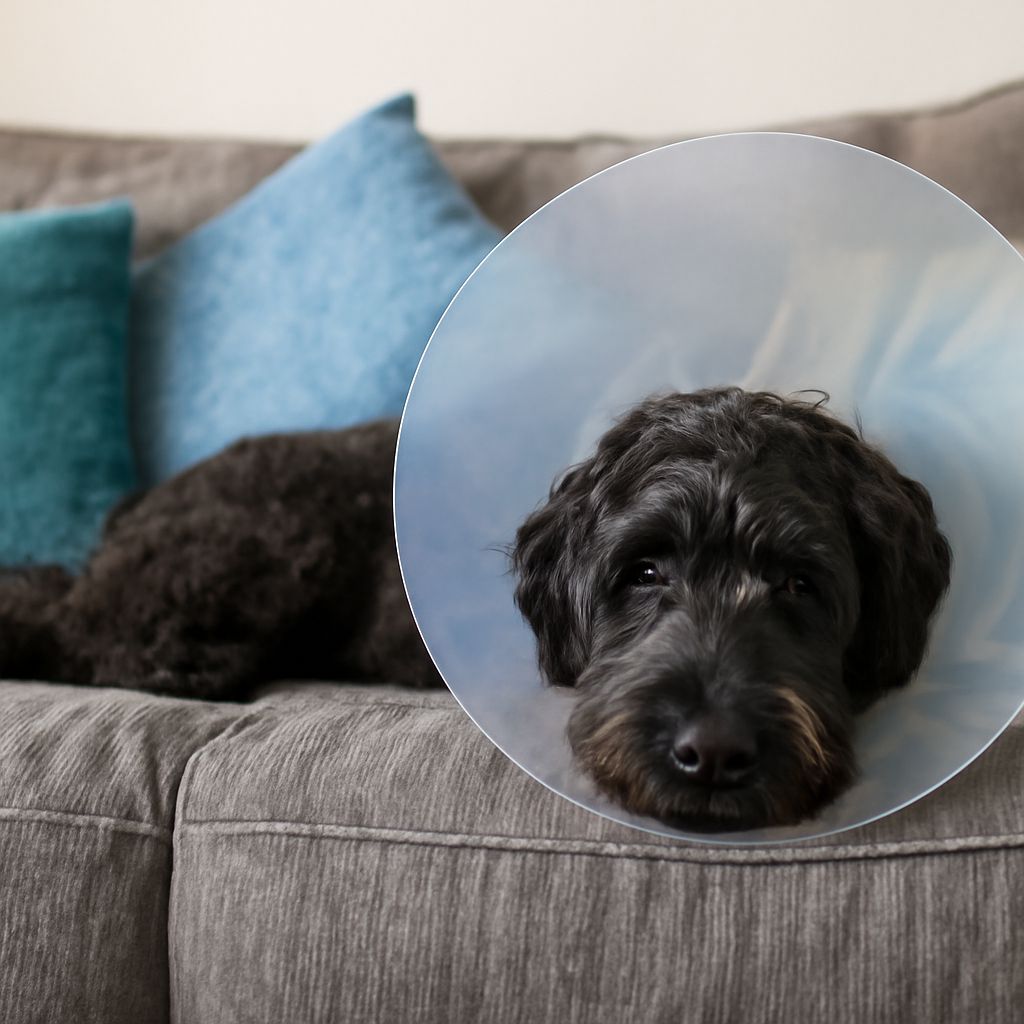
Post-surgery, dogs usually require a period of rest and limited movement to allow the knee to heal properly. This phase can last from six weeks to several months, depending on the dog’s size and the surgery type. Your veterinarian will likely recommend a specific recovery plan tailored to your dog’s needs, which may include physical therapy to regain strength and mobility.
Lastly, regular follow-up visits are critical to monitor the healing process and adjust care as needed. By keeping a close watch on your pet’s recovery, any potential complications can be addressed early, ensuring the best possible outcome.