Diarrhea in dogs might seem like a minor inconvenience, but it can be a symptom of broader health issues. The belief that it is always a simple issue is a misconception. Understanding the causes and treatments is essential for every dog owner. Many assume that a quick fix is always possible, but this isn’t always the case. Knowing what to do if your dog has diarrhea can prevent complications and ensure your pet’s well-being.
Some dog owners rely solely on home remedies, thinking they are sufficient. While helpful in some cases, there are situations when professional veterinary care is necessary. This guide will help you navigate the causes, treatments, and prevention methods, ensuring you have the knowledge needed for proper care.
Understanding Dog Diarrhea
Common causes of diarrhea in dogs
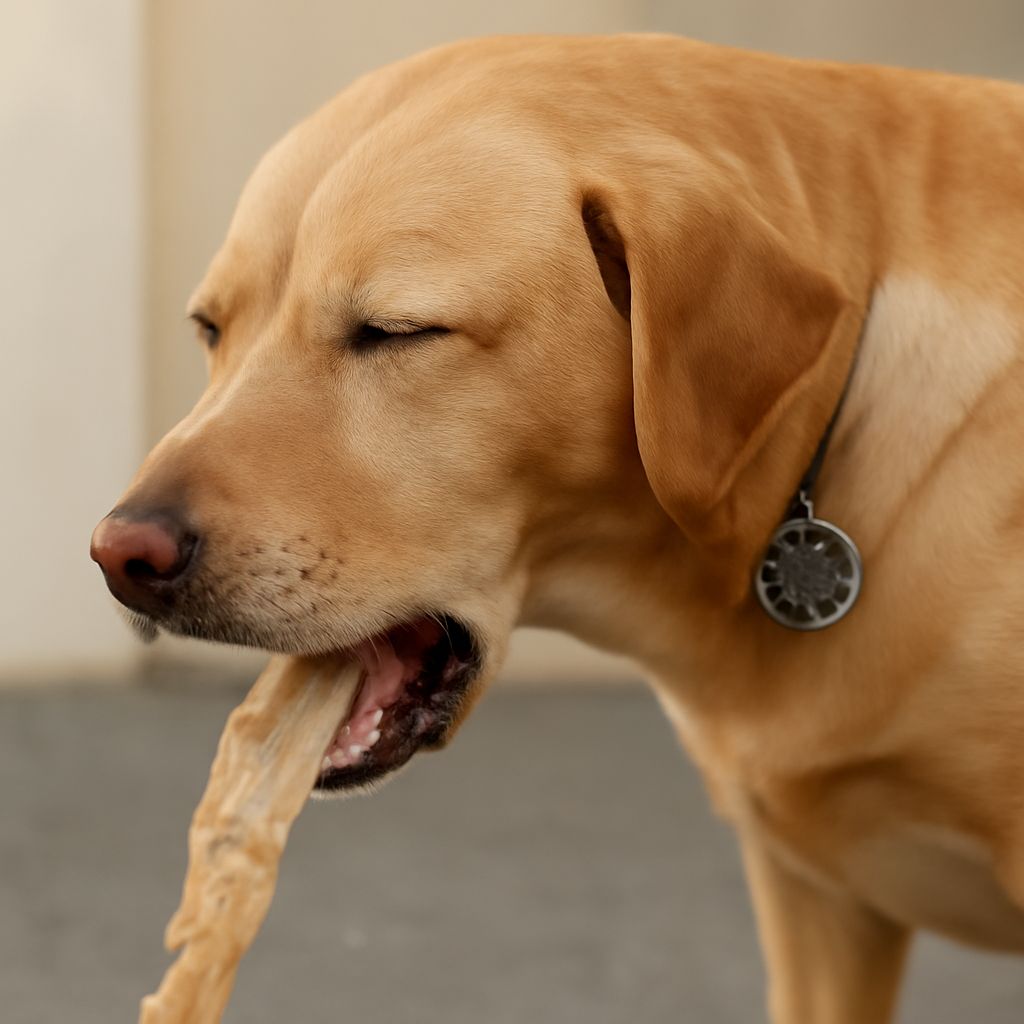
Diarrhea in dogs can result from various causes, including dietary indiscretion, infections, and chronic conditions. Dogs are notorious for eating things they shouldn’t, leading to digestive upset. Infections caused by bacteria, viruses, or parasites can also be culprits, requiring different treatments. Chronic conditions like inflammatory bowel disease may present recurrent symptoms, necessitating professional evaluation.
Symptoms to watch for
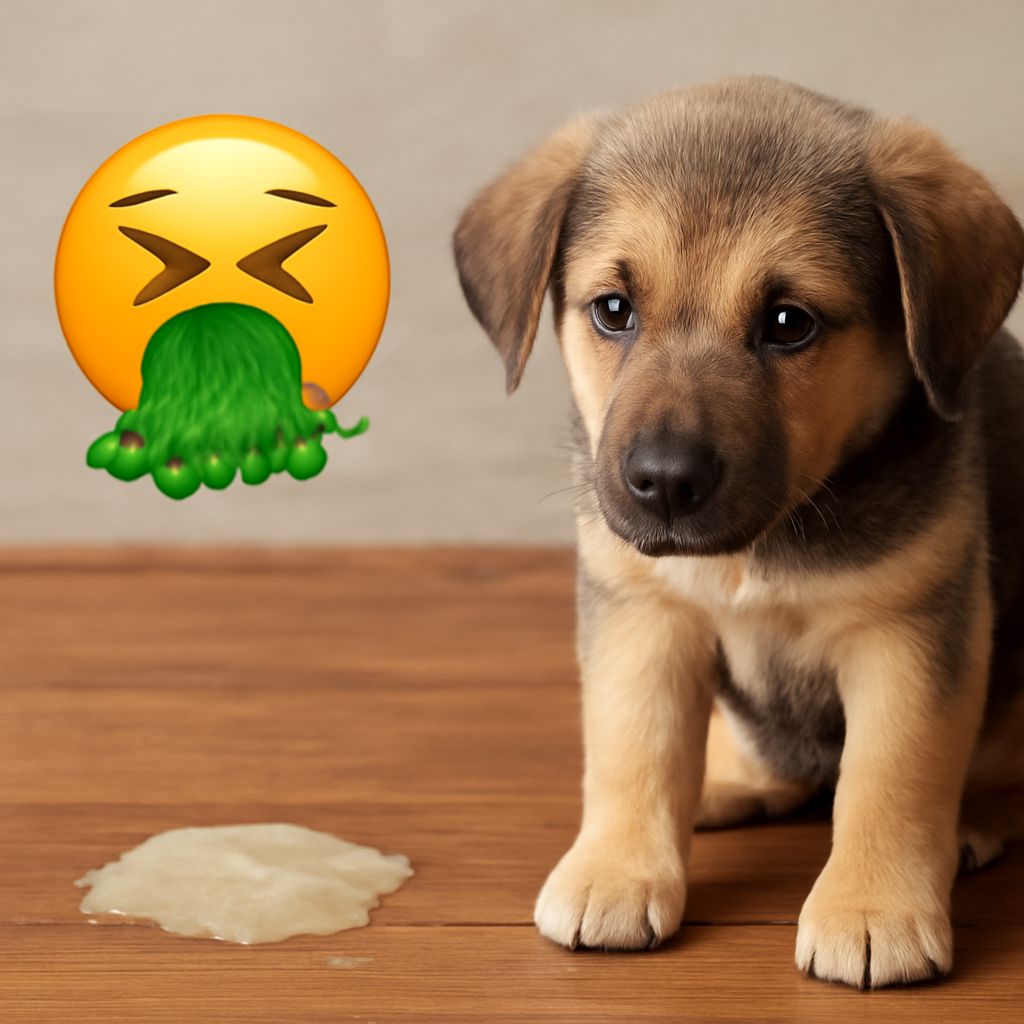
Recognizing the symptoms of diarrhea is crucial. Besides loose stools, look for signs like vomiting, dehydration, and lethargy. Persistent diarrhea can lead to severe dehydration, making it vital to address symptoms promptly. If your dog shows symptoms beyond the occasional loose stool, it may be time to consult a veterinarian.
What to Do If Dog Has Diarrhea
Immediate steps to take
When a dog has diarrhea, begin by withholding food for 12-24 hours to allow their digestive system to rest, but ensure they have access to water. Reintroducing a bland diet gradually can help stabilize their stomach. Keeping your dog hydrated is essential, as diarrhea can quickly lead to dehydration.
How to evaluate the severity
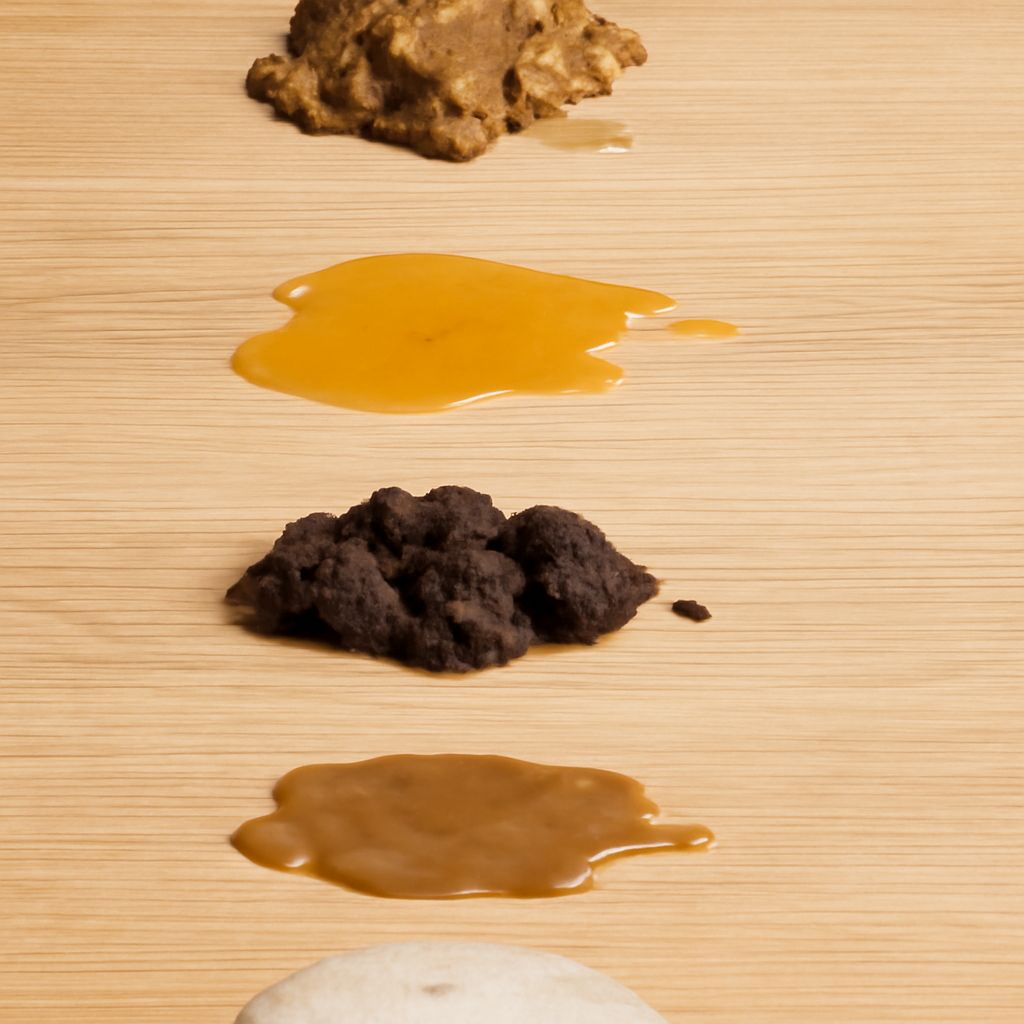
Assessing the severity of your dog’s diarrhea involves monitoring the frequency and characteristics of their stool. Frequent, watery stools or those containing blood or mucus indicate a more serious issue. If symptoms persist despite initial home treatment, seek veterinary advice to rule out underlying conditions.
Home Remedies for Treating Dog Diarrhea
Dietary changes and hydration
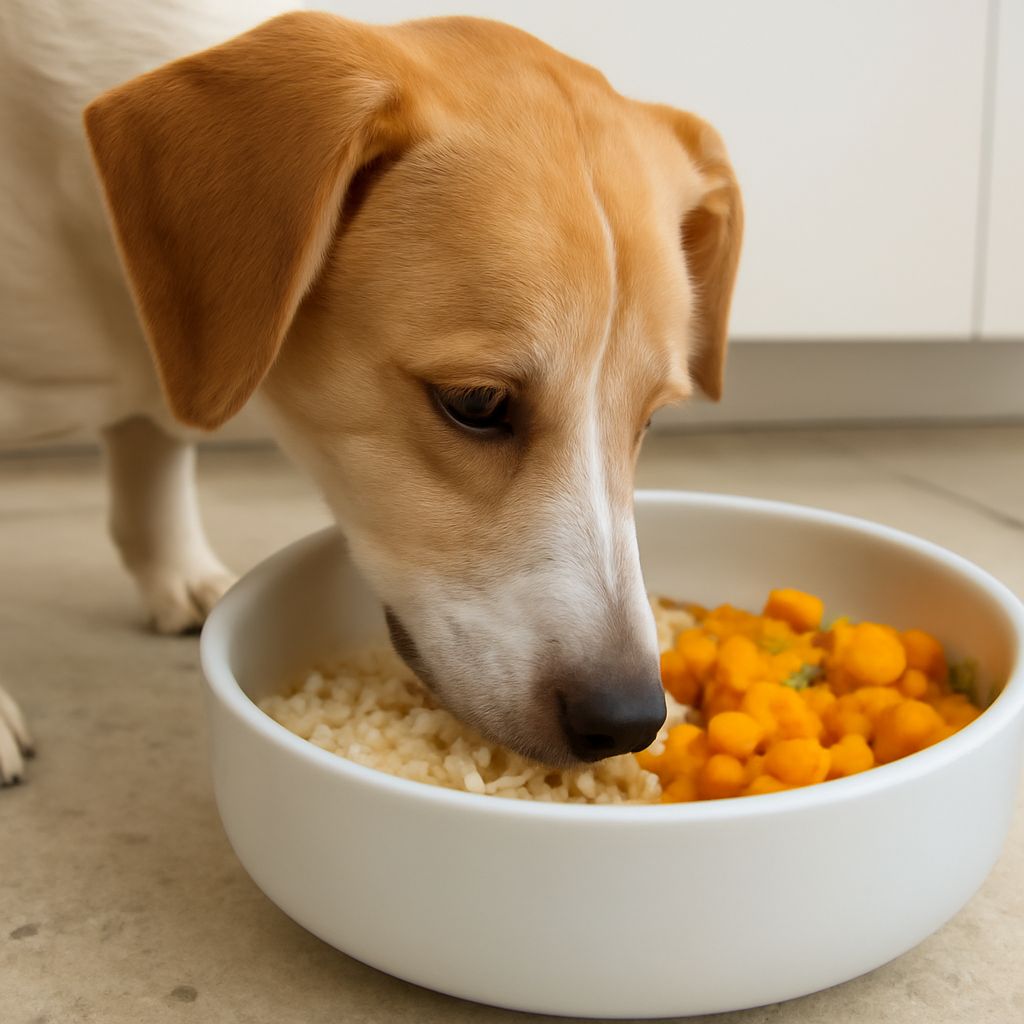
Implementing dietary adjustments can aid in recovery. Bland foods like boiled chicken and rice are gentle on your dog’s stomach. Ensure your pet remains well-hydrated, as dehydration compounds the problem. Electrolyte solutions formulated for dogs can support hydration and recovery.
Supplements and over-the-counter options
Certain supplements, such as probiotics, can promote gut health and restore balance. Over-the-counter medications designed for canine use may offer additional relief, but consult a professional before administering any medication to prevent adverse effects.
When to Consult a Veterinarian
Signs that require professional attention
Seek veterinary care if your dog’s diarrhea is accompanied by vomiting, fever, or if they appear in pain. Blood in the stool or diarrhea that persists for more than 48 hours are clear indicators for professional evaluation. Timely intervention can prevent further complications.
Preparing for your vet visit
Prior to your vet appointment, gather information about your dog’s recent diet, behavior changes, and any treatments already administered. Providing a stool sample can assist in diagnosing the underlying cause, enabling effective treatment.
Preventing Future Episodes of Diarrhea
Tips for maintaining digestive health
Maintaining your dog’s digestive health involves providing a balanced diet and ensuring regular exercise. Routine vet check-ups and vaccinations can prevent infections that cause diarrhea. Avoid sudden diet changes, and monitor what your dog consumes to prevent dietary indiscretions.
Proper dietary practices
Feeding your dog a high-quality, balanced diet tailored to their age and activity level is fundamental. Avoid giving them table scraps, and be mindful of allergens or foods known to cause sensitivities. Consistent feeding routines support stable digestion and overall health.
Bottom line: Understanding the causes and treatments of diarrhea in dogs is vital for effective management and prevention. While home remedies can be useful, consulting a veterinarian is crucial in severe cases. Proactive care and preventive measures will help maintain your pet’s digestive health, ensuring they lead a happy and healthy life.