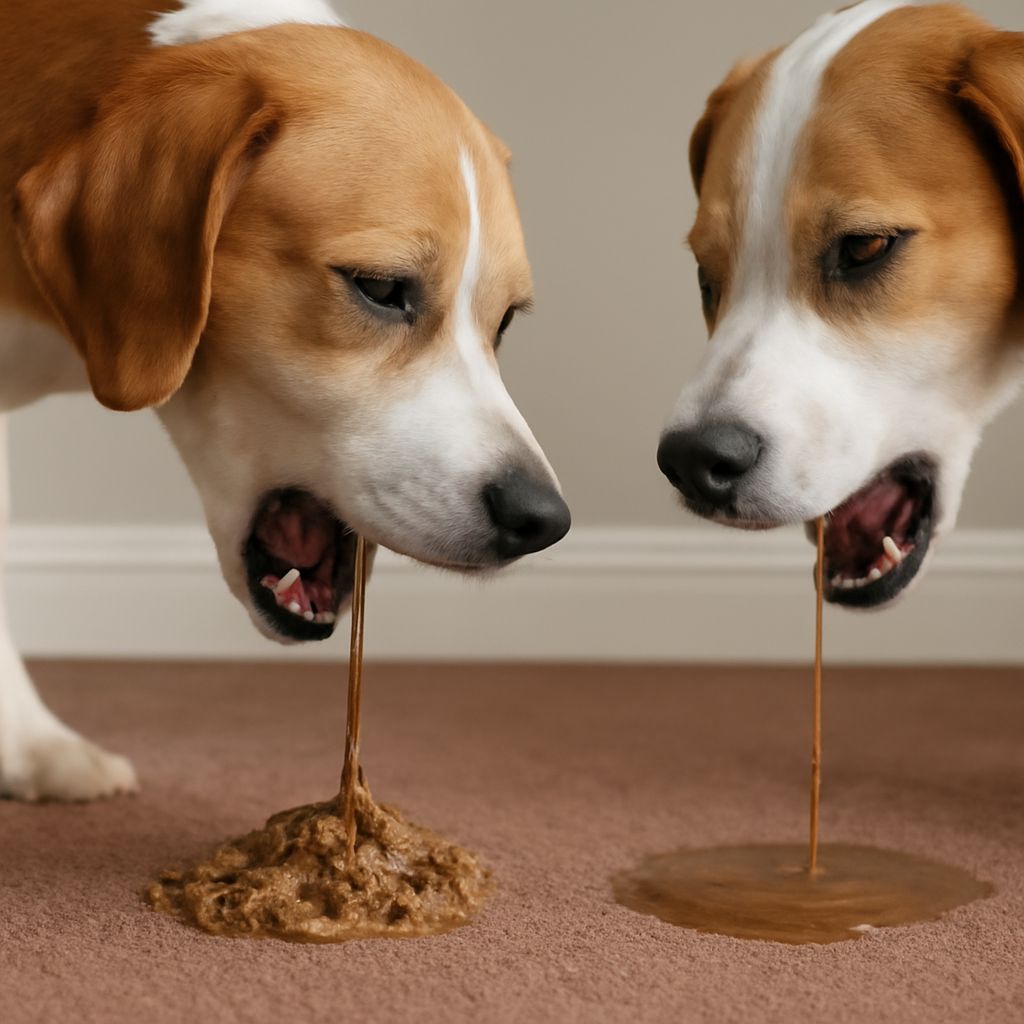
It’s a common misconception that when a dog isn’t pooping, it’s simply holding it in. In reality, several factors could be at play. If you find yourself wondering, “Why is my dog not pooping?” you’re not alone. Many pet owners face this issue at some point. Understanding the root causes can help you address the problem effectively and ensure your dog’s digestive health remains optimal.
When a dog can’t poop and is in pain, it’s crucial to take action. While some cases are mild and can be managed at home, others may require veterinary intervention. Learning about the signs and solutions will empower you to help your dog and prevent discomfort in the future.
Why is My Dog Not Pooping?
Common Causes of Constipation in Dogs
Constipation in dogs can result from various factors. Dietary issues are often the primary culprit, where the lack of fiber or excessive consumption of bones might lead to difficulties. Dehydration is another common cause, as insufficient water intake can harden stools.
In some cases, intestinal blockages might be to blame. These blockages can occur due to the ingestion of foreign objects or the development of tumors. Additionally, underlying medical conditions, such as hypothyroidism, can also play a role in a dog not pooping regularly.
Signs Your Dog is Having Trouble Pooping
Recognizing the signs that your dog is having trouble pooping is key to addressing the issue promptly. Look for straining during bowel movements, which could indicate constipation. A decrease in appetite and lethargy might also accompany digestive issues.
Be observant of any changes in your dog’s stool. Small, dry, or hard stools typically suggest a problem. If your dog seems to be in pain or whimpers when attempting to defecate, these are clear indicators of trouble.
What Can I Do If My Dog is Having Trouble Pooping?
Home Remedies to Help Your Dog Poop
There are several home remedies you can try to help your canine friend. Increasing fiber in the diet can often assist in promoting regular bowel movements. Pumpkin is a popular choice, as it’s not only rich in fiber but also gentle on the stomach.
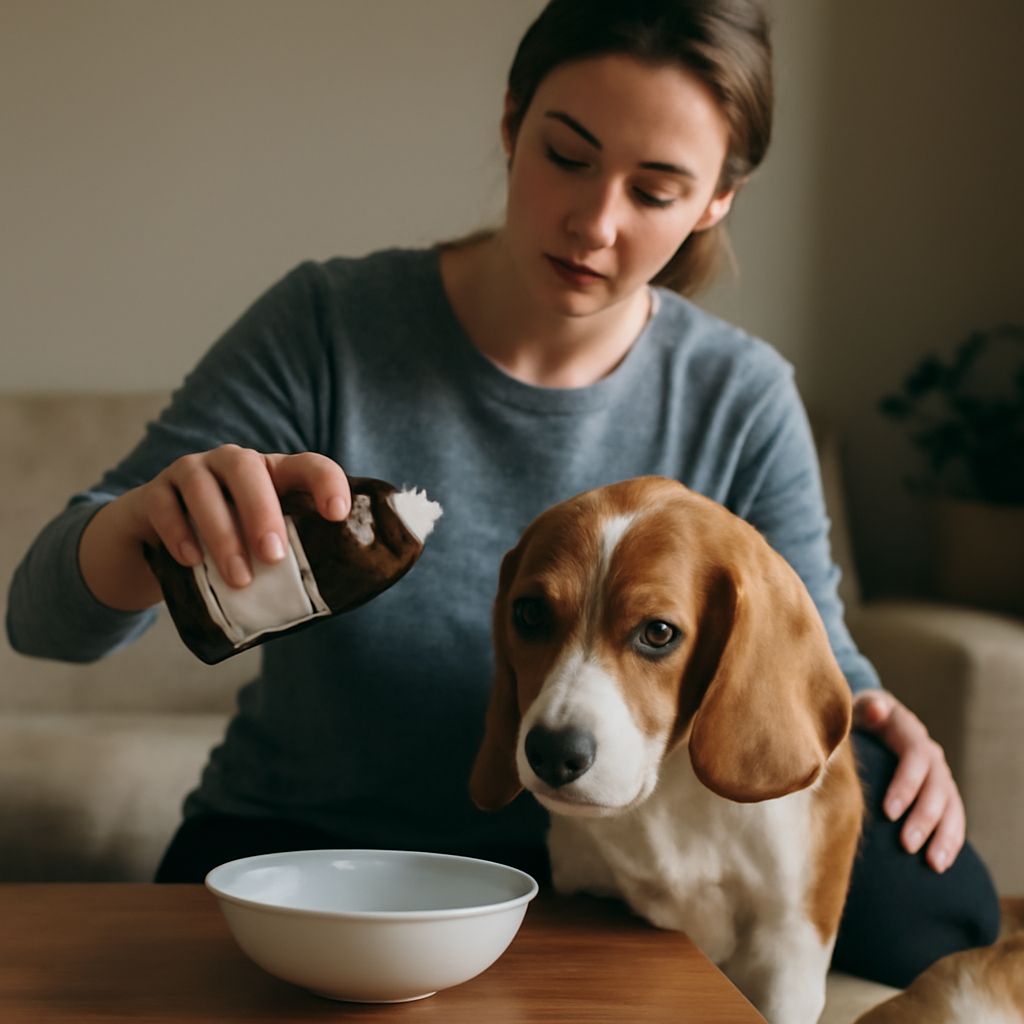
Ensuring your dog stays hydrated is equally important. Encourage water intake by providing fresh, clean water at all times. Adding a bit of broth to your dog’s water can make it more appealing and help with hydration.
When to See a Veterinarian
If your dog continues to have trouble pooping despite home interventions, it’s time to consult a veterinarian. Persistent constipation or any signs of severe abdominal pain could indicate a more serious condition.
A veterinarian can perform a thorough examination and may recommend diagnostic tests, such as X-rays or blood tests, to identify underlying issues. Professional advice is essential if there is no improvement within a few days or if the condition worsens.
How to Prevent Dog Constipation
Dietary Tips to Keep Your Dog Regular
Prevention is always better than cure. To avoid constipation in your dog, maintain a balanced diet that includes the right amount of fiber. Regularly incorporating fruits and vegetables into your dog’s meals can promote healthy digestion.
Avoid giving your dog bones or large quantities of cheese, as these can contribute to constipation. Opt for dog food formulations that are specifically designed to aid digestion and ensure a consistent eating schedule.
Exercise and Hydration for Digestive Health
Exercise is a crucial component of preventing constipation. Regular walks and physical activities stimulate the digestive system and help keep your dog regular.
Hydration also plays a vital role in ensuring intestinal health. Always provide access to fresh water and encourage frequent drinking. During hot weather or after physical activity, monitor your dog’s water intake closely to prevent dehydration.