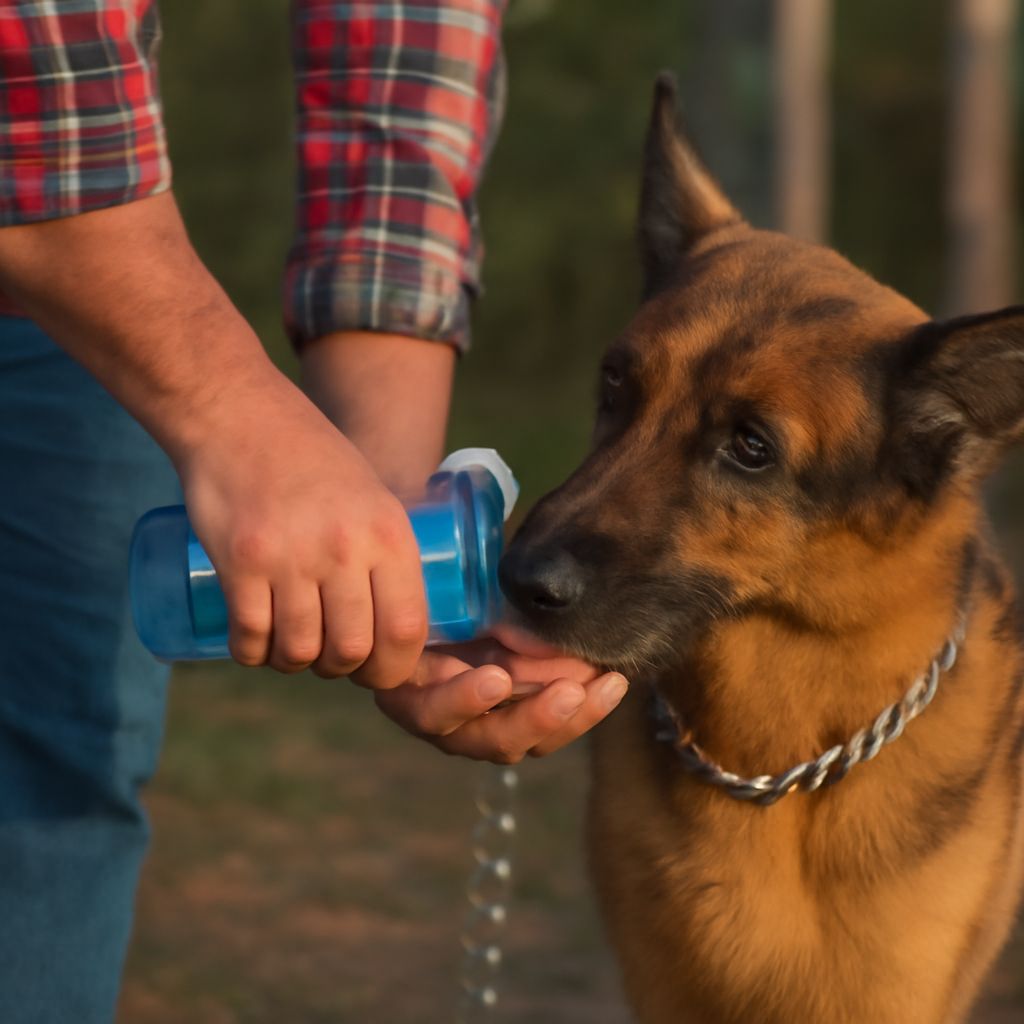
Many dog owners find themselves asking, “Can I give my dog baby aspirin?” due to the common belief that it’s a safe solution for canine pain relief. While baby aspirin is often seen as a mild medication for humans, its effects on dogs can present significant concerns. Understanding the nuances of using baby aspirin for dogs is crucial to ensure their safety and well-being.
Before proceeding with any medication, it’s vital to comprehend the potential risks and proper dosages associated with baby aspirin for dogs. Moreover, exploring alternative pain relief methods can often provide safer and more effective solutions for your furry friend.
Understanding Aspirin and Its Use in Dogs
What is aspirin?
Aspirin is a non-steroidal anti-inflammatory drug (NSAID) commonly used to reduce pain, fever, and inflammation in humans. It works by inhibiting certain enzymes in the body that produce inflammatory compounds. While it may sound beneficial, aspirin’s effects on dogs can be quite different and require careful consideration.
Why might dogs need aspirin?
Dogs may need pain relief for various reasons, such as joint pain, arthritis, or after undergoing surgery. In some cases, veterinarians might recommend aspirin as a short-term solution for these ailments. However, it’s important to note that aspirin should not be administered without professional guidance.
Can You Give a Dog Baby Aspirin?
Safety considerations
Before administering baby aspirin, you should understand that what might be safe for humans is not always safe for dogs. The dosage suitable for a dog differs significantly from that of a human, and improper dosages can lead to serious health issues.
Potential risks and side effects
Risks of giving aspirin to dogs include gastrointestinal issues such as ulcers or bleeding. Aspirin can also interfere with blood clotting, posing additional risks if your dog is injured. Always monitor your dog closely if they’re taking aspirin and consult a veterinarian if you notice any adverse effects.
How Much Aspirin to Give My Dog?
Determining the correct dosage
The correct dosage of aspirin for dogs is typically determined based on their weight. However, it is crucial to consult with a veterinarian to get a precise dosage recommendation tailored to your dog’s specific needs and health status.
Factors affecting dosage
Factors such as age, overall health, and existing medical conditions can affect how your dog metabolizes aspirin. These variables make it essential to rely on veterinary advice for dosage rather than attempting to calculate it independently.
Alternatives to Baby Aspirin for Dogs
Natural pain relief options
There are several natural options available for pain relief in dogs, including supplements like glucosamine and chondroitin, which can help with joint health. Additionally, therapies such as acupuncture or physical therapy may offer relief without the risks associated with pharmaceuticals.
Consulting a veterinarian
Always consult with a licensed veterinarian when considering pain management options for your dog. They can provide guidance on the most effective and safe treatments available, tailored to your dog’s unique requirements.
Frequently Asked Questions
Can a dog take aspirin regularly?
Regular use of aspirin is generally not recommended for dogs due to the risk of side effects. For chronic issues, seek professional veterinary advice to explore safer long-term alternatives.
Can I give my dog a baby aspirin for arthritis?
While it may be tempting to use baby aspirin for arthritis pain, it is not advisable without veterinary consultation. There are safer, more effective treatments specifically designed for managing arthritis in dogs.
Key takeaways: When considering baby aspirin for dogs, consult with a veterinarian to determine appropriate treatments. Be aware of potential risks and side effects associated with aspirin. Explore alternative pain relief methods that might offer safer solutions for your pet.