There’s a common misconception that dog perfumes are unnecessary and potentially harmful. However, when chosen carefully, they can provide several benefits beyond just making your dog smell good. The right dog perfume can enhance your pet’s well-being and comfort, dispelling the myth that it’s merely a luxury. As you explore these options, remember that understanding your pet’s needs, such as why dogs cry or how gun dogs handle wounds, is crucial for their care.
Many dog owners have faced moments when their dogs cry, a behavior often linked to discomfort or underlying health issues. Recognizing the stages of dog wound healing can be pivotal in addressing such concerns. For gun dog enthusiasts, it’s particularly important to ensure their pets are trained to handle injuries effectively. By understanding these aspects, every dog lover, including wine dog aficionados who cherish their pet’s health and happiness, can ensure comprehensive care for their canine companions.
What Are the Benefits of Dog Perfume?
Dog perfumes offer more than just a pleasant aroma; they can contribute to the overall grooming process. A well-chosen scent can mask unpleasant odors without irritating your pet’s skin, promoting a harmonious environment at home.
Is Dog Perfume Safe?
Safety is paramount when selecting a fragrance for your pet. Opt for products that are specifically designed for dogs, avoiding any with harsh chemicals that might cause allergic reactions. Always do a patch test to ensure your pet’s skin doesn’t react adversely.
How to Choose the Right Dog Perfume for Your Pet
Consider your dog’s specific needs and sensitivities. Look for products with natural ingredients and consult your vet if you’re unsure about any component. A dog-friendly perfume should enhance your pet’s comfort without overwhelming its senses.
Why Do Dogs Cry?
A crying dog can be indicative of several issues, ranging from physical discomfort to emotional distress. Recognizing these cues is essential for providing timely care and support.
Common Reasons for Dog Crying
Dogs may cry due to pain from injuries, anxiety, or even separation from their owners. Pay attention to their body language and behavior to determine the underlying cause.
When to See a Vet
If your dog’s crying is persistent or accompanied by other symptoms like lethargy or loss of appetite, it’s crucial to consult a veterinarian. Early intervention can prevent more serious health issues from developing.
How Do Gun Dogs Handle Wounds?
Gun dogs often encounter situations where they may get injured. It’s important for owners to know how to manage these injuries efficiently.
Gun Dog Training and Injury Prevention
Proper training can minimize the risk of injury. Conditioning your dog to respond calmly in high-stress situations is key to preventing accidents.
First Aid for Gun Dogs
Understanding basic first aid can make a significant difference in your dog’s recovery. Clean the wound gently and apply a canine-safe antiseptic. Seek veterinary care for severe injuries.
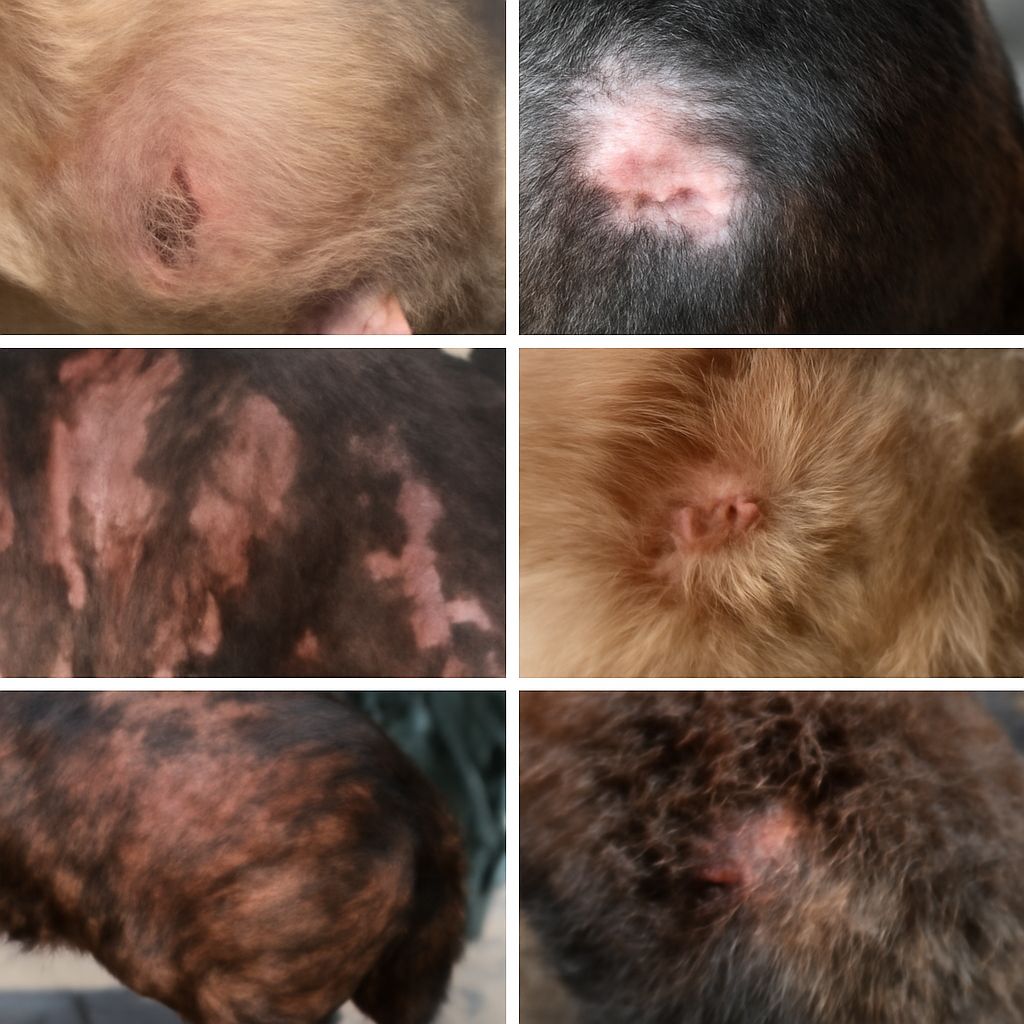
What Are the Stages of Dog Wound Healing?
The healing process involves several stages, each crucial for recovery. Timely intervention can aid in effective healing.
Initial Response to Injury
This stage involves immediate responses such as bleeding and clotting. Keeping the wound clean is vital during this phase.
Inflammation Stage
Inflammation occurs as the body works to remove debris and prevent infection. Swelling and redness are common signs during this stage.
Proliferation Stage
New tissue forms as the wound begins to close. Providing adequate nutrition can support this essential phase of healing.
Maturation Stage
The final stage involves strengthening the new tissue. Continued care and monitoring can ensure the wound heals properly, preventing complications.