Many dog owners are initially apprehensive when they hear about FHO surgery for their beloved pets. The term “femoral head ostectomy” might sound daunting, yet it is a well-regarded procedure designed to improve your dog’s quality of life. Some may even wonder if a dog head scratcher can help during recovery. Before we dive into the details, it’s important to clear up common misconceptions. FHO surgery is not about replacing or transplanting joints, and it is not as invasive as other orthopedic procedures. This surgery is about removing the femoral head to alleviate pain and enable dogs to regain mobility. Understanding the specifics can help you make informed decisions for your pet’s health.
What is FHO Surgery for Dogs?
Definition of Femoral Head Ostectomy
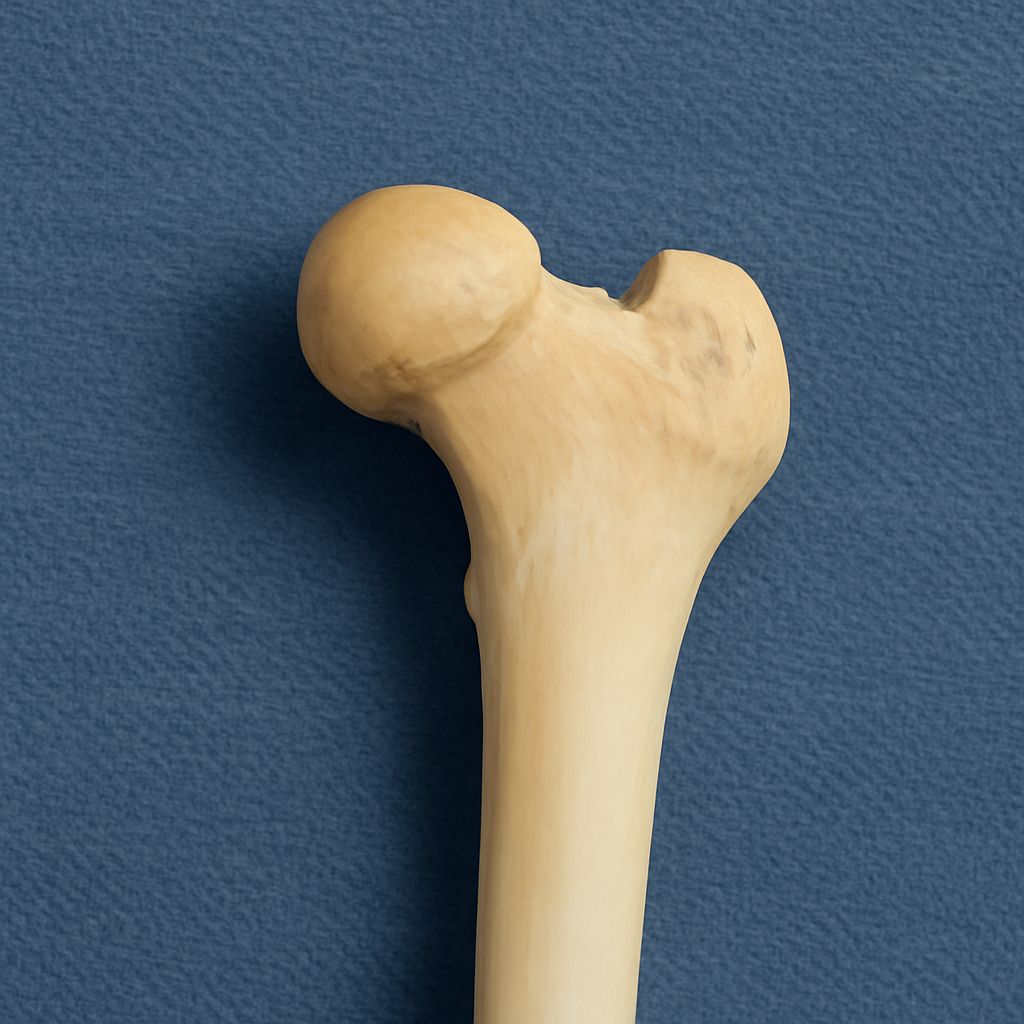
The femoral head ostectomy, or FHO, is a surgical procedure that involves removing the head and neck of the femur. This particular surgery is often recommended for dogs suffering from conditions like hip dysplasia or severe arthritis where the joint structure is compromised. By removing the femoral head, the body can create a false joint, reducing discomfort and improving mobility.
Why FHO Surgery is Recommended
Veterinarians often recommend FHO surgery for dogs experiencing chronic pain due to hip problems. The procedure is particularly useful for smaller to medium-sized dogs, but it can also benefit larger breeds under specific circumstances. The key is eliminating the bone-on-bone contact that causes pain, allowing for better movement and increased comfort.
How is FHO Dog Surgery Performed?
Pre-Surgery Preparations
Before the FHO procedure, your veterinarian will perform a thorough examination of your dog, including X-rays and blood tests, to ensure they are fit for surgery. Pre-operative preparations also involve a detailed discussion about anesthetic risks and recovery expectations. A well-prepared owner can make a significant difference in the surgical outcome.
The Surgical Procedure
During the surgery, the veterinarian will make an incision to access the femoral head and carefully remove it. This precise surgical technique aims to minimize tissue damage and facilitate faster healing. The muscle and skin layers are then closed meticulously to protect the surgical site from infection and promote recovery.
Immediate Post-Operative Care
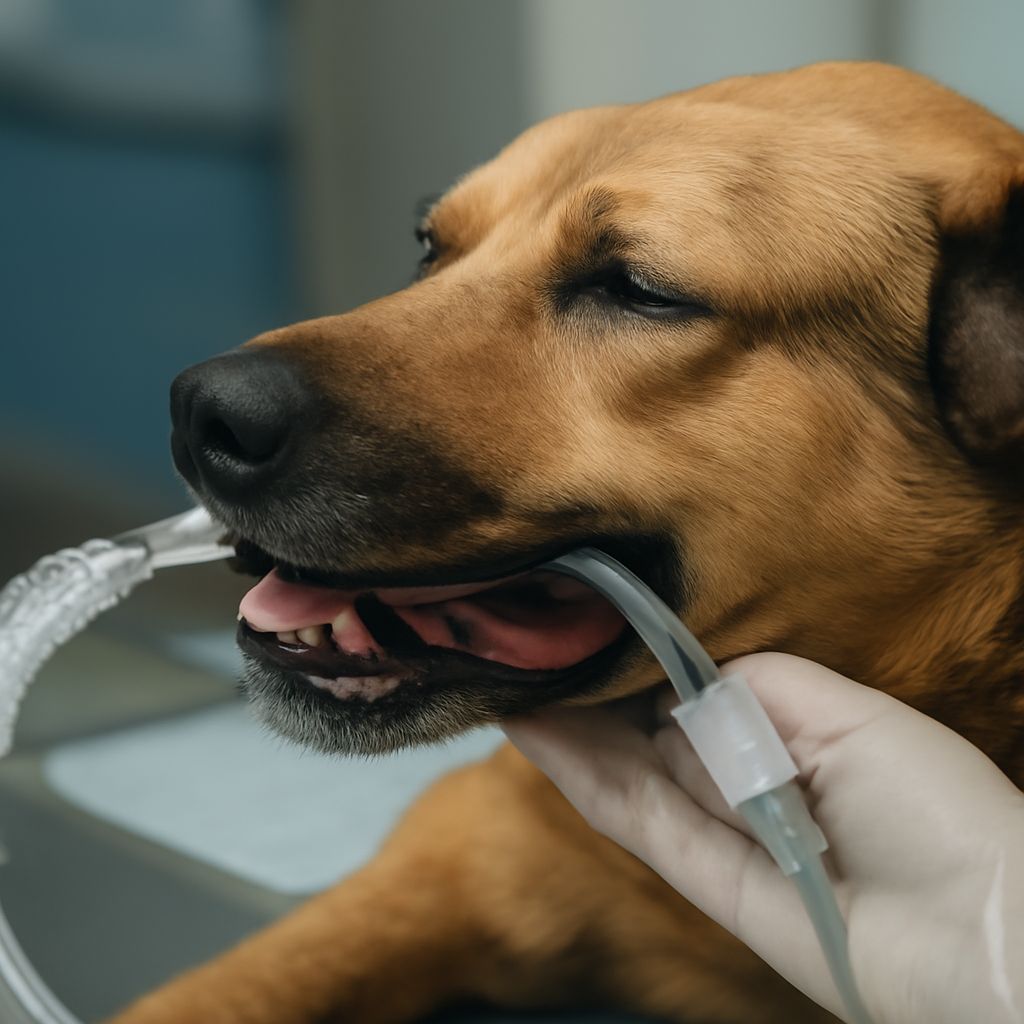
Once the surgery is completed, your dog will be monitored closely during the initial hours of recovery. Pain management, through medications, is crucial at this stage to ensure your pet is comfortable. Following post-operative instructions diligently is essential for optimal recovery.
What to Expect During FHO Dog Recovery?
Physical Therapy and Exercises
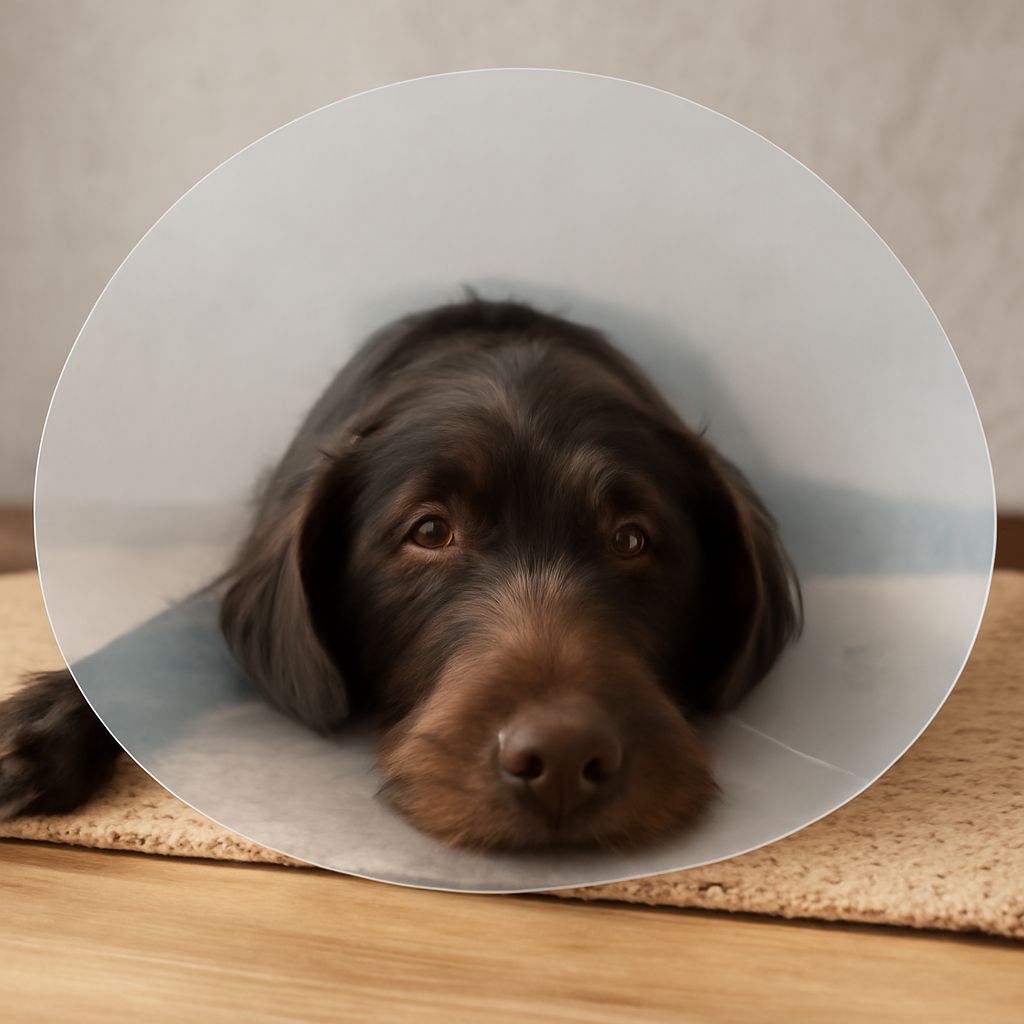
Physical rehabilitation plays a crucial role in the recovery process. Controlled exercises, as advised by your veterinarian, help in building muscle strength and promoting joint movement. Consistent physical therapy sessions ensure that your dog regains mobility effectively.
Using a Dog Head Scratcher for Comfort
A dog head scratcher can be a useful tool during the recovery phase. While primarily a comfort accessory, it can help reduce stress and provide a soothing effect, especially when your pet is adapting to post-surgery life. Always monitor your dog to ensure that scratching does not interfere with the healing incision.
Signs of Successful Recovery
Successful recovery from FHO surgery is marked by increased activity levels, reduced pain, and a noticeable improvement in your dog’s ability to move. Regular follow-up visits with your veterinarian will help track progress and adjust care plans as needed.
Is FHO Surgery the Right Choice for Your Dog?
Evaluating the Risks and Benefits
FHO surgery carries both risks and benefits, which need thorough evaluation. While it can significantly enhance mobility and alleviate pain, potential complications such as infection or improper healing must be considered. A balanced understanding of these factors is necessary for making an informed decision.
Consulting with Your Veterinarian
Deciding on FHO surgery should always involve a detailed discussion with your veterinarian. Their expertise will guide you in assessing whether this procedure is the best option for your dog’s specific condition. An informed decision, based on professional advice, ensures the best possible outcome for your pet’s health.