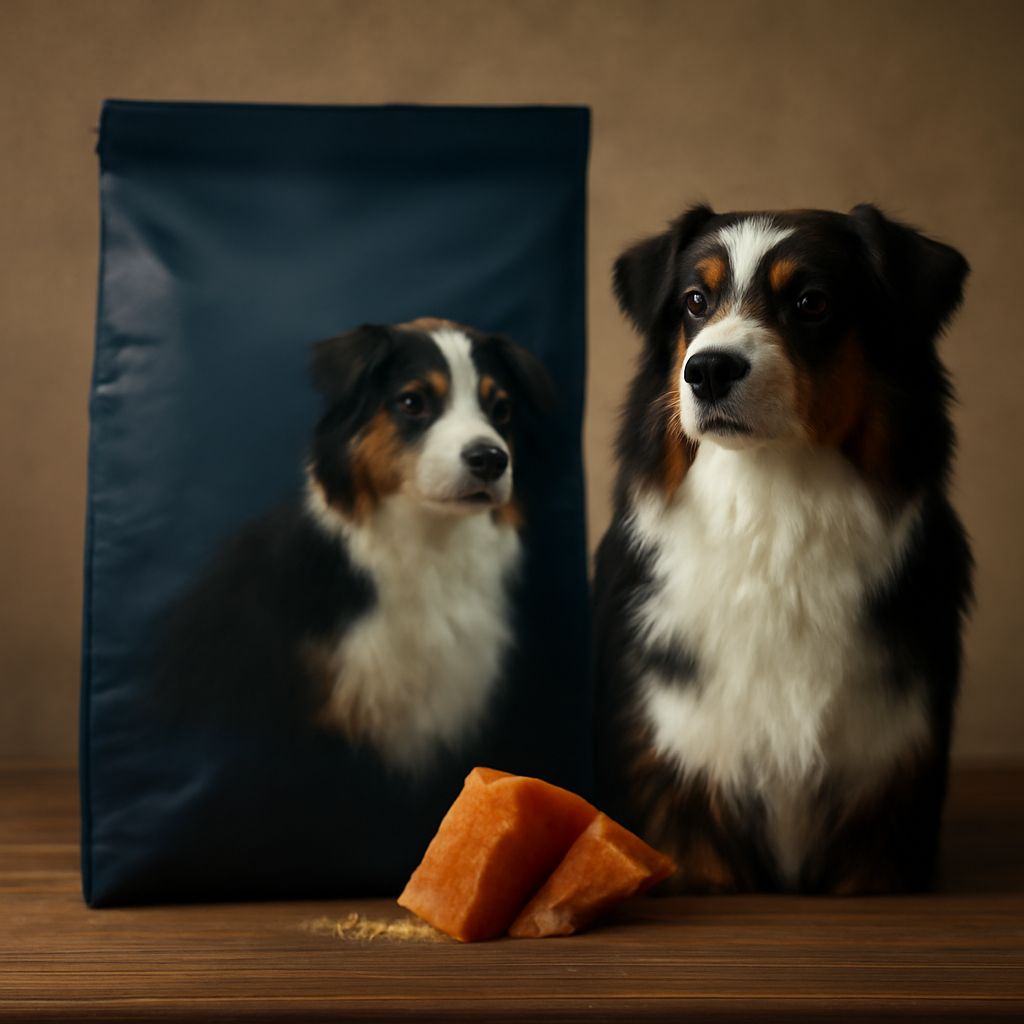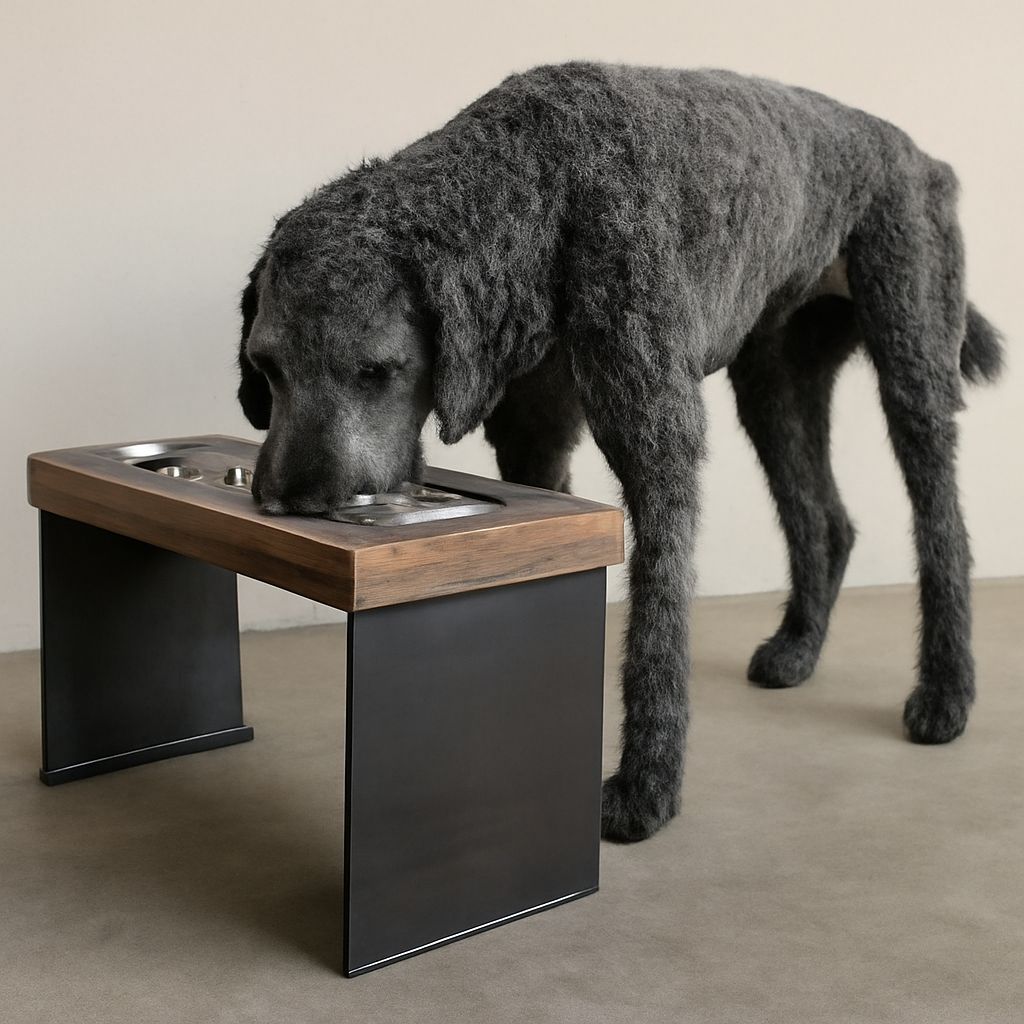
When it comes to feeding our dogs, myths about commercial dog food abound. Many dog owners believe that all pet foods available in stores are created equal, but this is a misconception. In reality, there is a significant difference between all natural dog food and typical commercial options. While the latter often relies on fillers and artificial additives, organic pet food is gaining traction as a cleaner and healthier choice for our canine companions. It’s crucial to understand that opting for organic pet food doesn’t mean falling for marketing gimmicks; it’s about providing genuine nutrition.
Moreover, some pet owners automatically associate high price with high quality, which can lead them astray. It’s important to be cautious of seemingly premium brands that might actually be bad dog food brands hidden behind slick packaging and fancy advertising. The keys to making informed choices lie in understanding the benefits of natural ingredients and recognizing the potential pitfalls of misleading brands.
Why Choose All Natural Dog Food?
All natural dog food is formulated with ingredients that closely resemble those found in a dog’s ancestral diet. These foods minimize artificial preservatives and colors, focusing instead on wholesome ingredients. Natural dog food can enhance your pet’s digestion and offer better nutritional benefits compared to conventional options. By selecting dog food that prioritizes natural components, you’re more likely to see improvements in your dog’s coat, energy levels, and overall health.
What Are the Best All Natural Dog Food Brands?
Choosing among the top brands can be daunting. The best all natural dog food brands are characterized by transparency in their ingredient sourcing and manufacturing processes. These brands often include organic vegetables and human-grade meat, ensuring that your pet receives only the best nutrition. Look for brands that avoid artificial additives and focus on quality over quantity. Checking for certifications and reading reviews from other pet owners can also guide you in selecting the right option for your furry friend.
How to Identify Bad Dog Food Brands
Spotting bad dog food brands involves paying close attention to ingredient lists and labels. Products that list vague meat sources or contain excessive fillers like corn and soy should raise red flags. Brands that lack transparency about their ingredient origins or manufacturing practices may be compromising quality. Make sure you research and verify claims made by pet food companies, and consult a veterinarian or pet nutritionist if you have concerns. Brands with numerous recalls or negative reviews should be avoided.
Organic Pet Food: Is It Worth the Hype?
Organic pet food is often touted for its purported health benefits, but is it truly worth the hype? These foods are produced without the use of pesticides or synthetic fertilizers, offering a cleaner option for your pet. While the benefits of organic diets are well-documented, they may not be necessary for every pet. It’s essential to evaluate your dog’s specific health needs and consult a professional if you’re unsure whether to make the switch. Choosing organic can contribute to better health outcomes, but always weigh the pros and cons based on your dog’s unique lifestyle and dietary needs.