Many believe that teaching a dog to shake is merely a party trick with little practical value. However, this simple action can significantly enhance your dog’s obedience and focus. Learning how to teach your dog to shake is not just a fun activity; it’s an opportunity to strengthen the bond between you and your pet.
When you train your dog to shake, you’re engaging in a form of communication that builds trust and understanding. This exercise is more than just a command; it’s a crucial step in enhancing your dog’s training regimen. Let’s explore why teaching your dog to shake is beneficial and how to effectively incorporate it into your dog’s routine.
Why Teach Your Dog to Shake?
Benefits of teaching your dog to shake
Teaching your dog to shake offers several advantages. It can improve their ability to follow instructions and boost their confidence. Dogs enjoy learning new things, and mastering the shake command can be a rewarding experience for both the pet and the owner.
Building a stronger bond with your dog
When you engage in training exercises like teaching your dog to shake, you’re investing in the relationship with your pet. This activity fosters mutual respect and understanding, contributing to a harmonious living environment.
Preparing for Training
Gathering supplies for teaching
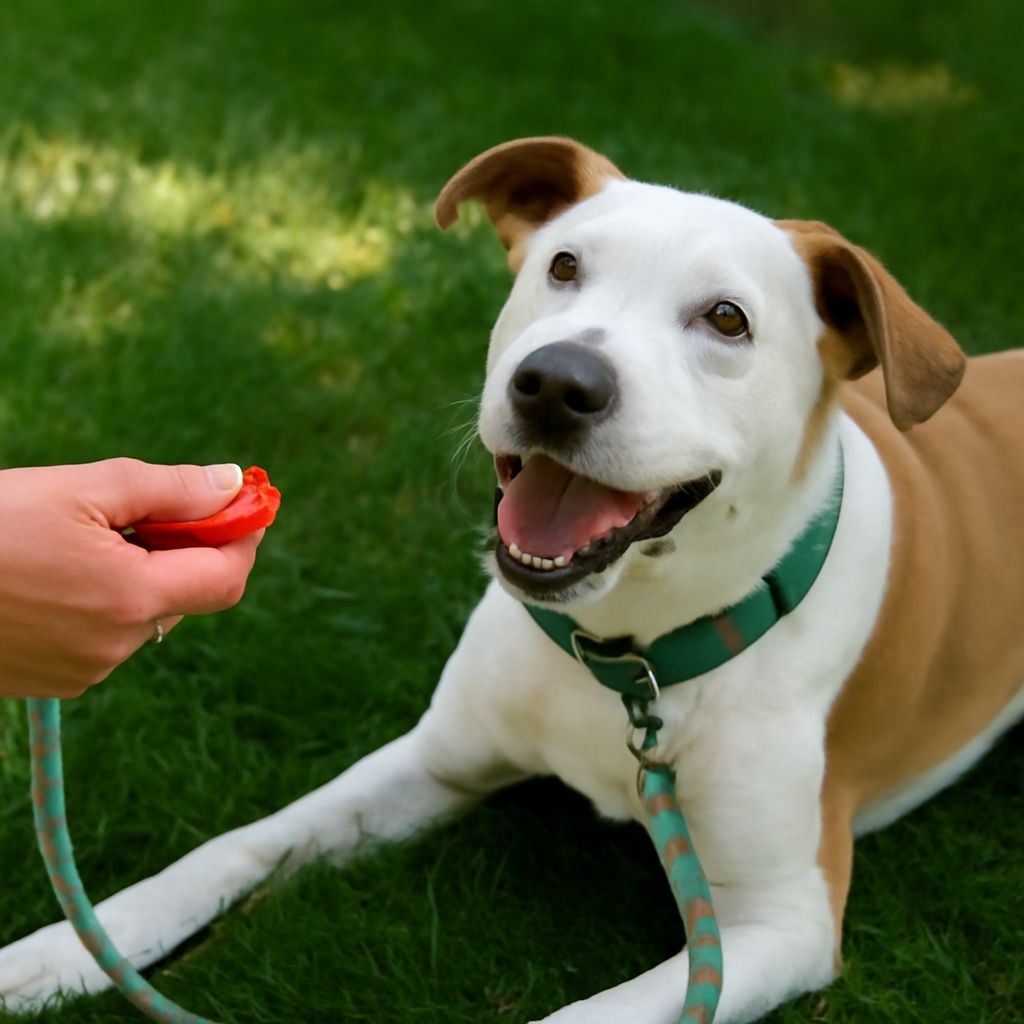
Before you start training, gather the necessary supplies. Treats are essential for motivation and rewards. Choose treats that your dog loves, but reserve them specifically for training sessions to maintain their high value.
Creating an ideal training environment
Establishing a conducive environment is crucial. Choose a quiet area to minimize distractions, ensuring your dog can concentrate on learning. Consistency in location helps your dog associate the area with training and learning.
Step-by-Step Guide: How to Train Your Dog to Shake
Introducing the shake command
Start by having your dog sit. Gently lift their paw while saying the command “shake.” Consistency in using the same command is key to success. Repeat this process until your dog begins to associate the action with the command.
Rewarding your dog for success
Each time your dog successfully performs the shake, offer a treat and praise. Positive reinforcement encourages your dog to repeat the behavior. Be patient, as some dogs may take longer to understand the concept.
Common Challenges and Solutions
Overcoming initial resistance
If your dog is hesitant, try gently holding their paw without lifting it too high. Gradually work on increasing their comfort level with this action by rewarding small progress with treats and encouragement.
Dealing with distractions during training
Distractions can be a common hurdle. Start training in a quiet environment and slowly introduce distractions as your dog becomes more proficient. This gradual exposure helps improve focus and reinforces learning.
Maintaining the Shake Trick
Regular practice tips
Incorporate regular short training sessions to keep the command fresh in your dog’s mind. Consistency is key in maintaining your dog’s response to the shake command.
Incorporating shake into daily routines
Use the shake command during everyday interactions. This integration helps your dog see the command as a natural part of their routine, not just a separate exercise.
Bottom line
Teaching your dog to shake is a rewarding experience that enhances obedience and strengthens your bond. With patience and consistency, this simple trick can become an enjoyable part of your daily interactions. For complex behavioral issues, consulting a professional trainer may offer additional guidance.