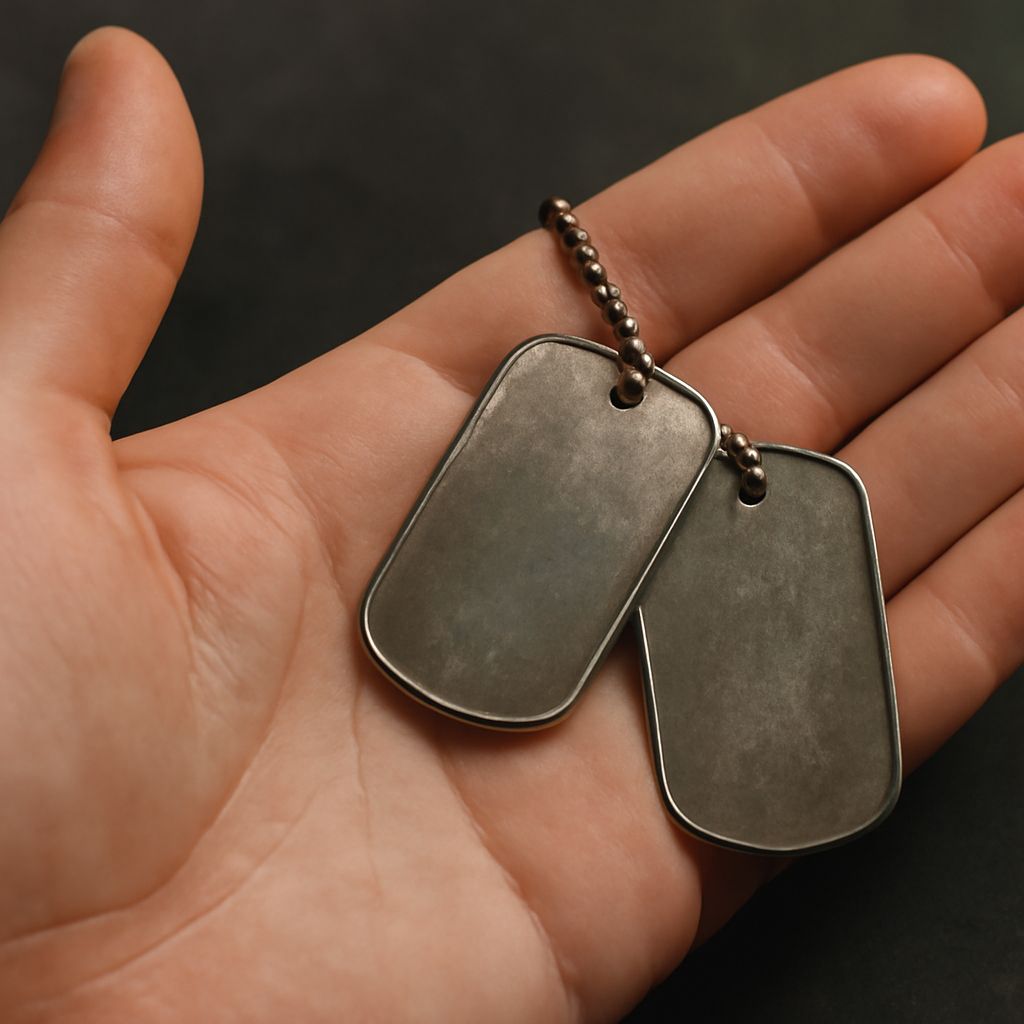
Many people often wonder, “Why are they called dog tags?” These small, metal identifiers have a robust history and serve specific purposes beyond mere decoration. Surprisingly, they are not solely for identification in pets but have deep-rooted origins linked to military use. As we delve into their history, we will also explore related topics such as where pets go when they die and why some perceive pitbulls as bad pets.
Understanding the connection between dog tags and their military origins can clarify their importance. Additionally, the significance of these tags in pet ownership transcends their basic function, offering insight into the broader history of pets and their roles in human life.
Introduction to Dog Tags
Dog tags have become iconic symbols of identification, widely recognized for their practicality. Initially, they served as means for distinguishing soldiers in the battlefield, providing essential information. Over time, their use has expanded to civilian life, particularly in pet identification, ensuring our furry companions are identifiable and safe.
Why Are They Called Dog Tags?
The term “dog tag” stems from their resemblance to tags used for identifying dogs. In the military context, these tags are crucial for identification purposes during combat or for medical emergencies. For pets, they play a similar role, making it easier to reunite lost animals with their owners. Different variations of these tags exist, each adapted to the needs of the wearer, whether human or canine.
The History of Dog Tags
The origin of dog tags dates back to the Civil War, where soldiers first used them for identification. Over the years, their design has evolved, becoming standard issue in the military. Their expansion into civilian life demonstrates their versatility and importance. These tags provide vital information, such as name and contact details, ensuring proper identification.
The History of Pets and Their Significance
Companion animals have played an integral role throughout human history, often signifying status or emotional support. From ancient times to the present, pets are seen as family members, carrying historical significance. Their evolution from working animals to beloved companions highlights their importance in society. The history of pets is rich, demonstrating their enduring impact on human lives.
Where Do Pets Go When They Die?
The question of where pets go when they die touches on both emotional aspects and practical considerations. Many believe in a spiritual journey or resting place, while others focus on the physical process of burial or cremation. Understanding these processes can provide peace of mind, helping owners cope with the loss of their beloved pets.
Why Pitbulls Are Considered Bad Pets
Despite their affectionate nature, pitbulls often face stigma due to misconceptions about their behavior. This perception stems from historical misuse and sensationalized media coverage. However, with proper training and care, pitbulls can be loyal and gentle companions. It’s important to evaluate individual temperament rather than generalize based on breed.
Choosing the Right Collar and Leash for Your Dog
Selecting appropriate gear for your pet is essential for its safety and comfort. When picking a collar and leash, consider factors like size, material, and purpose. A well-fitted collar and sturdy leash ensure control and protection during walks. Consult a licensed stylist for specialized needs, such as complex fitting or unique materials. By choosing wisely, you enhance your pet’s safety and enjoyment.
Key takeaways: Dog tags have a fascinating history rooted in military use, now widely applied in pet identification. Understanding the significance of these tags, along with responsible pet care, contributes to the welfare of both pets and their owners. For specific concerns, such as complex equipment fitting, professional guidance is advisable.