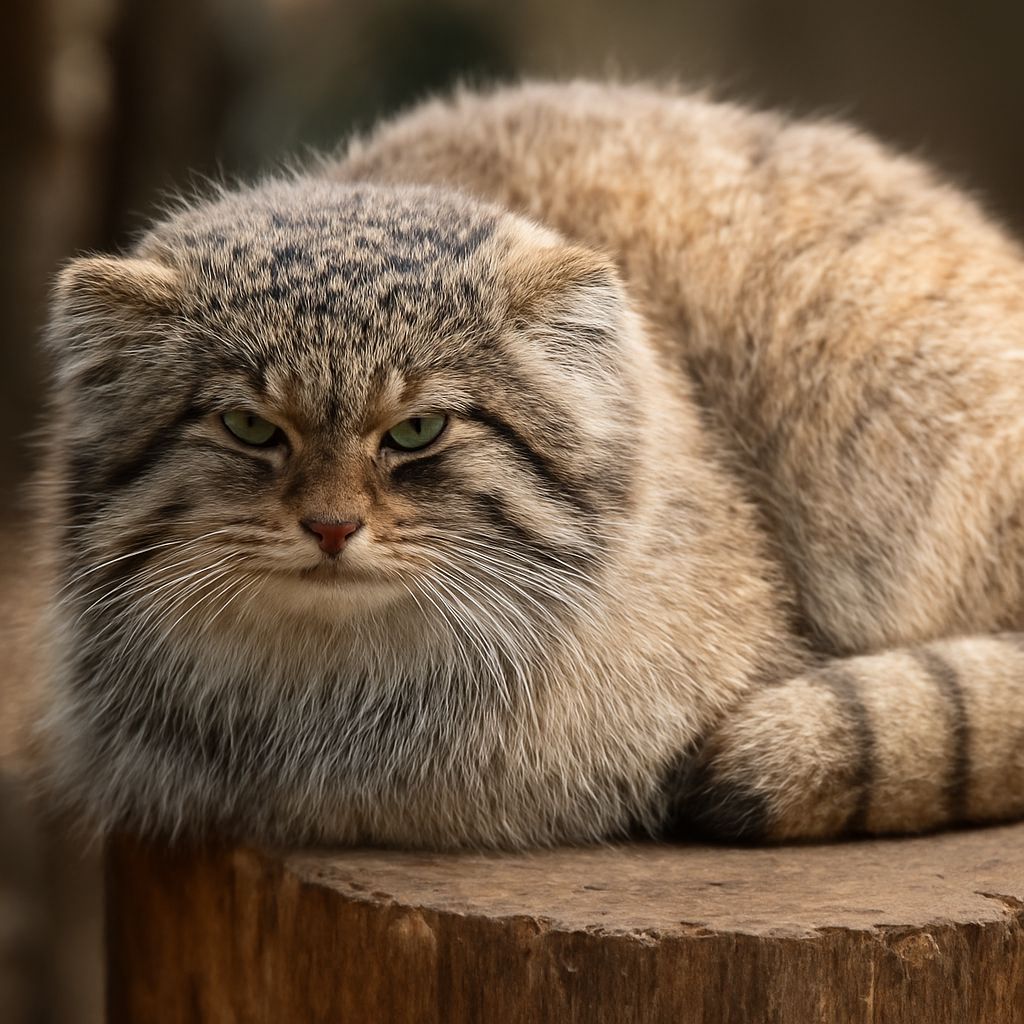
Many pet enthusiasts may wonder about the possibility of keeping a Pallas cat as a pet. While the idea of owning an exotic cat is appealing, it’s crucial to understand the distinctive nature of these animals. Unlike typical domestic felines, Pallas cats require specific care that can be challenging for the average pet owner. It’s important to address the misconceptions and discuss the realistic possibilities of having a Pallas cat as a companion.
Additionally, pet identification is a significant topic for all pet owners. Whether you’re considering a Pallas cat or another pet, identifying them with durable options such as stainless steel pet tags or marine corps dog tags can be incredibly beneficial. These identification methods provide durability and ensure that your pet is easily located should they ever wander off.
What Makes Pallas Cats Unique as Pets?
Characteristics of Pallas Cats
Pallas cats, known for their distinctive round faces and fluffy fur, differ significantly from regular house cats. Their wild nature, stemming from their native habitat in Central Asia, sets them apart. They exhibit solitary behavior, making socialization more challenging than with domestic cats.
Understanding Their Habitat Needs
Understanding the habitat needs of Pallas cats is crucial for anyone considering them as pets. Their natural environment involves cold, mountainous regions where they have adapted to low temperatures. Replicating such conditions in a domestic setting can be difficult and requires specialized enclosures.
Can You Keep a Pallas Cat as a Pet?
Legal Considerations
Before considering a Pallas cat as a pet, it’s vital to research legal restrictions. Many regions have regulations prohibiting the ownership of wild animals, including Pallas cats. Always consult local wildlife authorities to understand the legal requirements and restrictions.
Care Requirements
The care needs of a Pallas cat go far beyond those of a typical pet feline. They demand a specific diet and space that mimics their wild habitat. Additionally, their health and enrichment needs can be quite complex, often requiring consultation with a veterinarian experienced in exotic animals.
How to Identify Pets Using Tags?
Benefits of Stainless Steel Pet Tags
Stainless steel pet tags are preferred for their longevity and resilience, making them ideal for active pets. Unlike plastic tags, these do not wear out quickly, ensuring that your contact information remains legible over time.
What Are Dog Tags Made Of?
Dog tags, traditionally made from stainless steel or other durable metals, provide a robust solution for pet identification. Their durability is unmatched, allowing them to withstand the elements and rough play.
Exploring Marine Corps Dog Tags
History and Significance
Marine corps dog tags have a storied history, originating as military identification tools. Their design and function have evolved to symbolize both identity and duty, offering a unique perspective on pet identification methods.
Differences from Regular Pet Tags
Unlike standard pet tags, marine corps dog tags are known for their specific design and engraving styles. While offering similar durability, they hold historical significance that appeals to pet owners seeking both functionality and a touch of history.