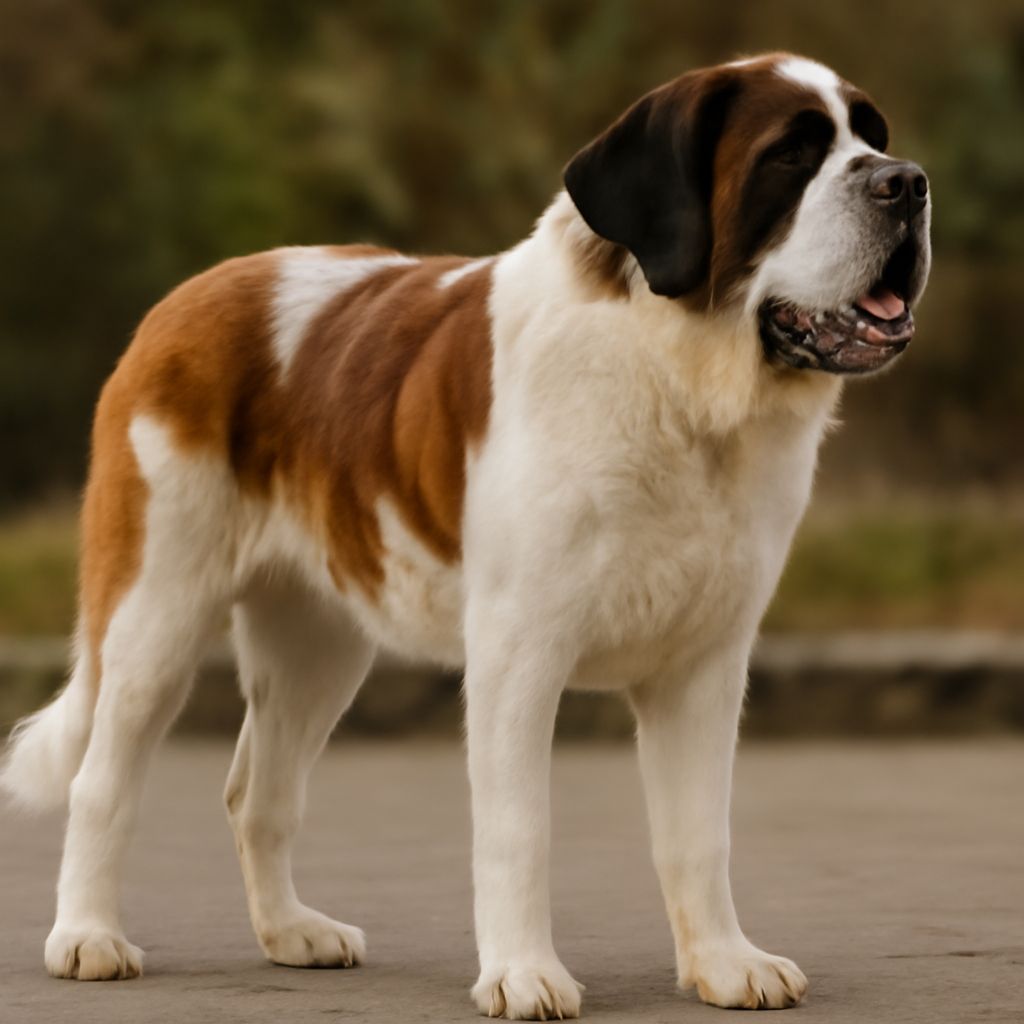
Can a giant, affectionate dog fit into your everyday life? A Saint Bernard can be a wonderful companion if you have room for a very large body, time for training and grooming, and a budget for giant-sized care. These dogs often have a gentle manner, but their size makes ordinary habits especially important.
Saint Bernard Dogs at Home: Size and Personality
An adult St. Bernard dog can weigh around 120 to 180 pounds and stand up to 30 inches at the shoulder, according to PetMD. Females are often smaller than males, and individual dogs vary. Picture a kitchen counter within easy reach of a curious nose and a tail capable of clearing a coffee table.
Saint Bernard dogs are often patient and affectionate with their families. They can also be watchful, and their responses to strangers, other pets, and busy households depend on the individual and its experiences. Meet the dog when possible, and ask a breeder or rescue about its temperament, health, and daily routine.
A calm personality does not make supervision optional around children. Even a friendly giant can accidentally knock over a small child while turning around. Teach children to give the dog space while it eats or rests, and reward the dog for settling on its own bed. Adults should supervise their interactions and step in before either becomes uncomfortable.
Make Room for a Very Large Housemate
Measure doorways, hallways, and the space beside your bed or sofa with an adult dog in mind. Your companion needs enough room to turn around, stretch out, and get up without sliding into furniture. A fenced yard can provide convenient outdoor time, but it does not replace walks and companionship.
For St Bernards, dog beds should be large enough to support the whole body and thick enough to cushion joints from a hard floor. Place one in a quiet spot where the family spends time, and use washable covers. Nonslip rugs can help on slick floors, particularly near steps or favorite resting places.
Think through transport before you need it. Can your vehicle accommodate the dog lying down securely? A sturdy ramp and a harness can help with entry, and practicing with treats while the dog is healthy makes a future vet trip easier. Check that a crate, if used, allows the dog to stand, turn, and lie comfortably.
Exercise and Training for a Giant Dog
St Bernard dogs need daily movement, though many are content with moderate walks and play rather than a demanding running schedule. Offer a walk with time to sniff, then add a short game or training session. Adjust the length to your dog’s fitness, age, and health; a veterinarian can help if you notice stiffness or fatigue.
Heat deserves special attention. This heavy-coated breed can struggle in hot weather, so choose cooler hours, carry water, and provide shade and a cool place indoors. Stop if your dog seems distressed or overheated. If it shows signs such as heavy panting, weakness, or collapse, move it to a cool place and contact a veterinarian immediately.
Train useful skills before they become tests of strength. A loose-leash walk, a reliable recall, a wait at doors, and a cue to settle on a mat all make life easier. Reward the behavior you want with small treats or praise. Practice in a quiet space first, then gradually add distractions. Avoid letting a puppy jump on people if you will not want the same greeting from an adult.
Socialize gradually with friendly people, calm dogs, and everyday settings. Give your dog space to observe and move away; do not force greetings. A qualified reward-based trainer can help if pulling, fearful behavior, or overexcitement is already difficult to manage.
Food, Weight, and Health Planning
Feed a complete diet appropriate for the dog’s life stage, measure portions, and include treats in the daily total. Ask your veterinarian to assess body condition and help adjust the amount as activity or weight changes. You should be able to feel the ribs beneath a modest layer of tissue, even when the coat makes a visual check tricky.
For a dog, Saint Bernard or otherwise, a food label provides a starting portion rather than a fixed prescription. Growing giants need a diet formulated for large-breed puppy growth; ask your veterinarian about the right food and transition to an adult formula. Do not add calcium supplements unless your veterinarian recommends them.
Discuss gastric dilatation-volvulus, or GDV, with your veterinarian. This breed is at risk of the emergency in which the stomach expands and can twist. A swollen abdomen, repeated unproductive retching, restlessness, or sudden weakness warrants an immediate emergency veterinary call and trip. Ask your vet about feeding practices and whether preventive gastropexy is appropriate for your dog. The American Kennel Club suggests discussing smaller meals and avoiding vigorous exercise around mealtimes.
Budget for routine veterinary visits as well as food, preventive medications, and possible emergencies. Some products and procedures cost more for a giant dog because dosing or equipment depends on size. Ask your veterinary clinic for estimates so that you can plan realistically.
Coat Care, Drool, and the Daily Cleanup
Both short- and long-coated varieties shed. Brush several times a week to remove loose hair, checking behind the ears and other areas prone to tangles. During heavier shedding, more frequent brushing can keep loose fur under control. Bathe when dirty, using dog shampoo, and dry the coat thoroughly.
Keep a towel near the water bowl: drool can be part of life with this breed. Wipe the mouth gently as needed and check skin folds for redness or irritation. Trim nails before they become overgrown, brush teeth with dog-safe toothpaste, and check ears for odor, redness, or discharge. Contact your veterinarian if you notice signs of discomfort or infection.
A Saint Bernard’s dog grooming routine is easier when introduced in short, positive sessions. Reward a paw touch, then a brush stroke, and gradually build up. If bathing a dog of this size is difficult at home, consider a groomer with suitable equipment and discuss how your dog handles being lifted or restrained.
How Care Changes With Age
A young dog’s size can outpace its judgment. Keep training consistent, provide safe opportunities to explore, and avoid forcing strenuous exercise while the puppy grows. Your veterinarian can guide feeding and activity through this long growth period.
As your companion matures, adjust meals and exercise to maintain a comfortable body condition. Older dogs may benefit from shorter walks, better floor traction, and a ramp if getting into the car becomes harder. Tell your veterinarian about stiffness, reluctance to rise, or changes in appetite rather than assuming they are simply old age. With regular adjustments, the daily routine can keep pace with the dog you have today.