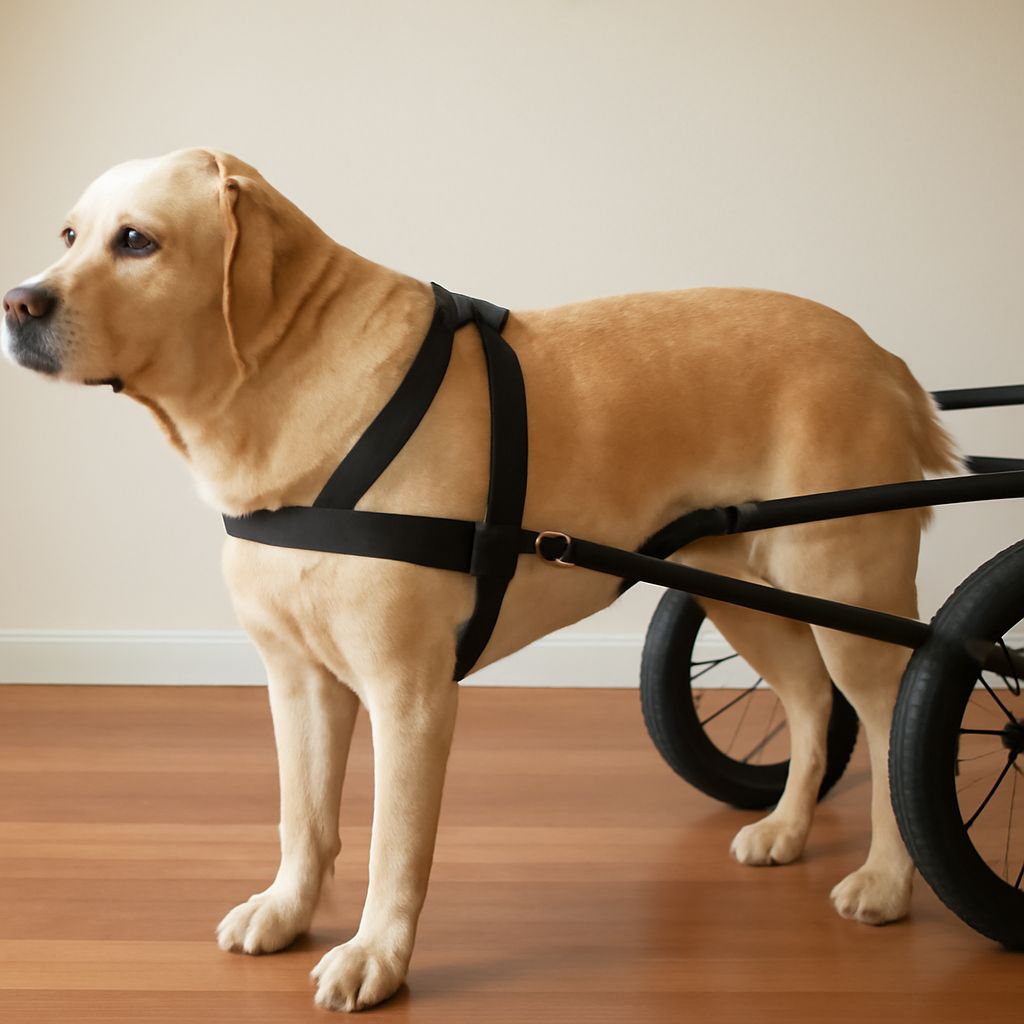
Dog carts have been around for centuries, yet many pet owners remain unaware of their benefits. Contrary to popular belief, a dog cart isn’t just a novelty item; it can be an essential tool for exercise and bonding with your canine companion. While some might imagine cumbersome contraptions, modern dog chariots are versatile and designed with the comfort of both the dog and the owner in mind.
Understanding the role of a dog pull cart in your pet’s life can open up new avenues of outdoor adventures and improve their physical health. This guide will explore everything from the benefits of dog carts to training methods and selecting the perfect cart for your furry friend.
What is a Dog Cart and Why Use One?
Understanding the Basics of Dog Carts
A dog cart is a harnessed vehicle that allows your dog to pull loads, ranging from small items to people. These carts are sturdy, often featuring lightweight materials for ease of use. The primary purpose is recreational, yet they also serve as excellent exercise tools. The concept of a dog chariot has evolved, allowing for smoother rides and greater flexibility in terrain navigation.
Benefits of Dog Carts for Your Pet
Utilizing a dog cart offers numerous benefits beyond physical exercise. It enhances your dog’s strength, stamina, and overall fitness. Additionally, dog pull carts serve as mental stimulants, providing your canine with engaging tasks and challenges. This activity can strengthen the bond between you and your pet, offering an opportunity for teamwork and communication.
How to Train Your Dog for a Dog Cart
Step-by-Step Dog-Cart Training Guide
Successfully training your dog to pull a cart involves patience and positive reinforcement. Start by acclimating your dog to the harness and ensuring they are comfortable wearing it. Gradually introduce the cart, allowing them to explore it at their own pace. Next, practice walking with the cart attached, starting with short, straight paths before progressing to turns and varied terrain.
Common Mistakes and How to Avoid Them
One common mistake is rushing the training process. Dogs need time to adapt to the sensation of pulling a cart. Avoid using force or punishment; instead, focus on rewards and encouragement. Another error is neglecting the dog’s physical readiness; ensure your pet is in good health and has the necessary strength before starting dog cart training.
Choosing the Right Dog Cart for Your Pet
Factors to Consider When Buying a Dog Cart
Choosing the appropriate cart is crucial for a positive experience. Consider factors such as the size and strength of your dog, the cart’s weight capacity, and the expected terrain. Look for features like adjustable harnesses and durable wheels to ensure comfort and longevity.
Top Dog Carts on the Market Today
The market offers a variety of carts, from lightweight designs for smaller breeds to robust models for larger dogs. Explore options that provide ease of use, stability, and durability. Always consider user reviews and seek recommendations from pet professionals to find the best match for your dog’s needs and your lifestyle.
Bottom line: Embracing the use of a dog cart can enrich your dog’s life, providing both physical and mental benefits. With proper training and the right equipment, you can transform ordinary walks into exciting adventures. For specialized advice, especially regarding training techniques, consulting a professional dog trainer is recommended.