When it comes to our furry companions, ensuring their health and comfort is a top priority. However, there are many misconceptions about common ailments like vaginitis in dogs. Some believe that a dog vaginal yeast infection is rare or insignificant. In truth, these conditions are more prevalent than many realize and can significantly impact a dog’s well-being. Understanding the underlying causes, symptoms, and available treatments can empower dog owners to address these issues effectively.
Dog vaginal yeast infections and other forms of vaginitis can be a source of discomfort and distress for pets. These conditions require careful observation and timely intervention to prevent complications. Let’s delve into the factors contributing to these infections and explore how to manage them effectively for your pet’s health.
What Causes Vaginitis in Dogs?
Vaginitis in dogs can occur due to various factors. One primary cause is bacterial infection, where harmful bacteria invade the vaginal area, leading to inflammation. Yeast infections are another common culprit, often resulting from an overgrowth of Candida species in the vaginal environment. Hormonal imbalances or abnormalities, especially in unspayed female dogs, can also lead to these infections by altering the normal flora.
Other contributors include foreign bodies, tumors, or anatomical irregularities that may predispose a dog to persistent infections. Puppies, particularly those under a year old, may experience juvenile vaginitis, which usually resolves as they mature. Understanding these causes helps in the accurate diagnosis and management of the condition.
How to Identify a Dog Vaginal Yeast Infection
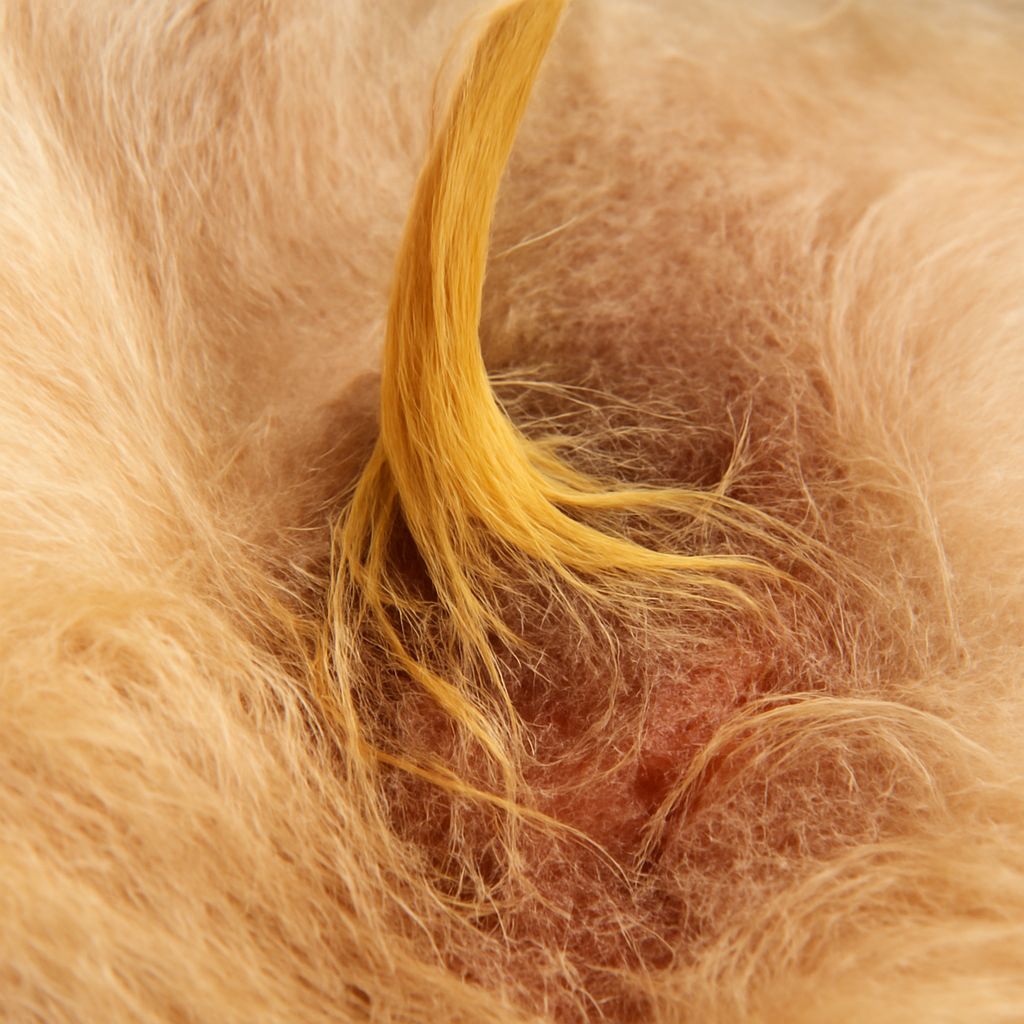
Identifying a vaginal yeast infection in dogs involves observing specific symptoms. Common signs include excessive licking of the vaginal area, a noticeable discharge, and redness or swelling around the vulva. Some dogs may also display increased urination frequency or discomfort while doing so.
Behavioral changes, such as irritability or lethargy, can also indicate an issue. If these symptoms are present, it is crucial to consult a veterinarian for an accurate diagnosis. They will likely perform a physical examination and may take samples to identify the underlying pathogen, whether it’s yeast or another type of infection.
Treatment Options for Vaginitis in Dogs
Treatment for vaginitis varies based on its cause. If a bacterial infection is identified, antibiotics are commonly prescribed. For a dog vaginal yeast infection, antifungal medications are often effective. It’s essential to follow the veterinarian’s instructions regarding dosage and duration to ensure the infection is fully resolved.
In cases related to hormonal imbalances, hormone therapy or spaying may be recommended. Regular cleaning and maintaining hygiene in the affected area can also aid recovery and prevent future infections. In severe or recurrent cases, seeking advice from a specialized veterinary dermatologist may be beneficial.
Preventing Future Infections
Preventing vaginitis in dogs involves maintaining good hygiene and regular veterinary check-ups. Ensuring the dog has a balanced diet can support a healthy immune system, reducing the risk of infections. If your dog is prone to bacterial or yeast infections, routine cleaning of the genital area with veterinarian-approved solutions can be beneficial.
Spaying your female dog not only helps with hormonal balance but also reduces the risk of infections and other reproductive health issues. Staying vigilant and addressing any signs of discomfort early can prevent minor issues from becoming serious health concerns.
Bottom line: Understanding the causes, symptoms, and treatments of vaginitis in dogs is crucial for maintaining their health. Early detection and proper care can ensure your pet leads a comfortable, infection-free life. Always consult with a veterinarian for persistent or severe cases to ensure the best outcomes for your furry friend.