It’s a common misconception that agility training is only for highly active or competitive dogs. However, agility classes for dogs are increasingly popular among pet owners of all breeds and sizes. While many assume that these courses are purely about speed and skill, they are also exceptional tools for enhancing your dog’s behavior and fitness. This article explores the true benefits of a dog agility course, demystifying its role in your pet’s development.
By incorporating agility training for dogs into your routine, you are not just teaching your furry friend to navigate through tunnels and jumps. You’re also fostering a deeper connection and improving obedience, making agility an invaluable part of comprehensive dog training.
What Is a Dog Agility Course?
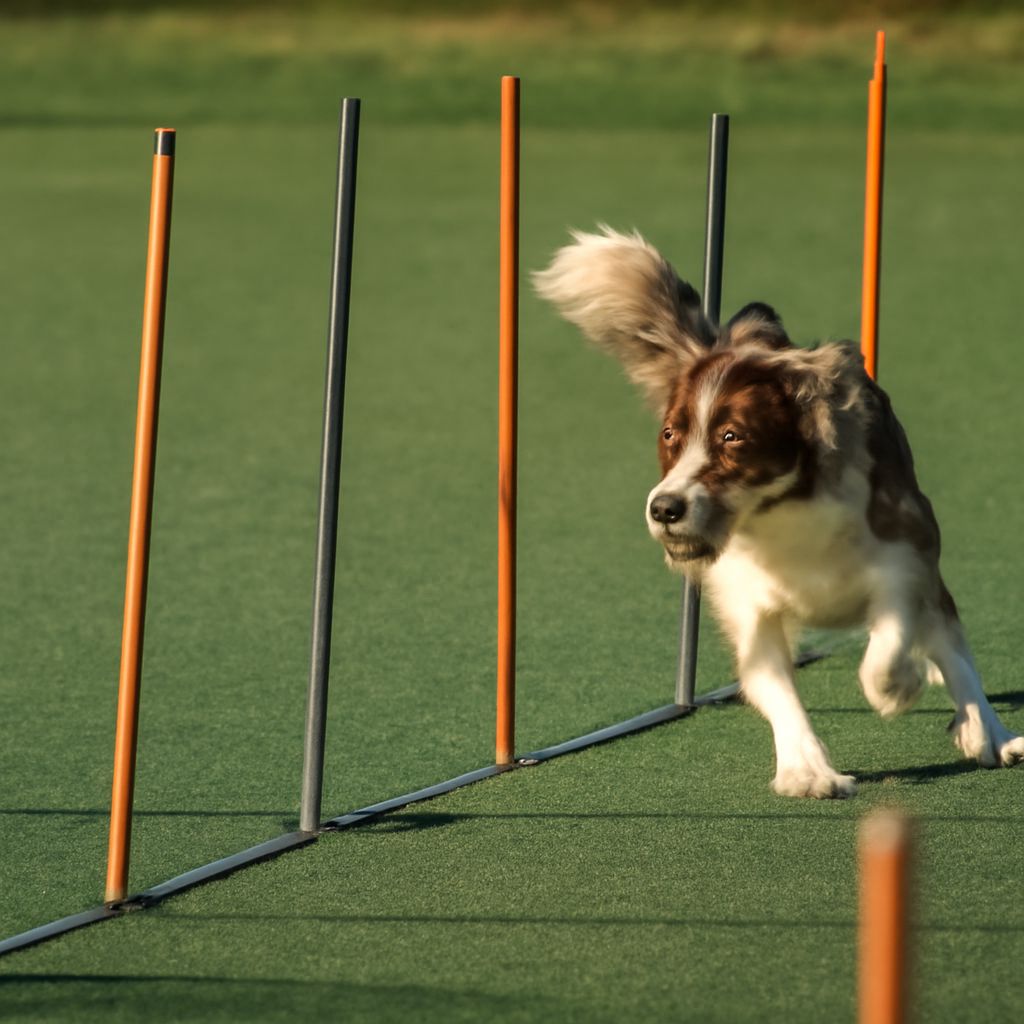
A dog agility course is a structured setting where dogs navigate a variety of obstacles, including tunnels, weave poles, and jumps. These courses are designed to challenge dogs both physically and mentally, promoting problem-solving and quick thinking.
Participation in agility courses encourages dogs to follow commands and refine their focus while maneuvering through a predetermined path. The agility exercises are adaptable to different skill levels, ensuring that all dogs, from beginners to advanced, can participate and benefit.
Why Is Agility Training for Dogs Beneficial?
Agility training for dogs provides numerous advantages beyond mere athleticism. One primary benefit is the enhancement of physical fitness, as agility courses require strength, coordination, and stamina. These exercises promote weight management and overall well-being.
Behaviorally, agility courses reinforce obedience. Dogs learn to respond promptly to commands, improving their discipline and reducing behavioral issues. This structured training is beneficial for high-energy dogs that require channels to expel excess energy constructively.
Furthermore, agility training strengthens the bond between owner and pet. The teamwork involved in navigating obstacles builds trust and communication, providing both mental stimulation and emotional fulfillment for the dog.
How to Get Started with Agility Classes for Dogs
Starting with agility classes involves selecting a course suited to your dog’s current fitness and training level. Local dog training centers often offer beginner classes that introduce essential agility principles.
Before enrolling, ensure your pet is in good health, as agility training can be physically demanding. A check-up with a veterinarian can confirm your dog’s readiness for such activities. Engage with a professional trainer to guide you through the initial stages and tailor the exercises to your dog’s needs.
Home agility setups are also an option for practice outside of classes. Simple equipment like cones and low jumps can be used in backyards, providing a familiar environment for skill reinforcement.
Consistency and patience are key. Gradually increase complexity and praise achievements to maintain motivation and enjoyment. As your dog progresses, consider participating in local competitions to further challenge and engage your pet.