It’s a common misconception that mosquitoes only bother humans. Pet owners often wonder, “Do mosquitoes bite dogs?” The truth is, not only can dogs suffer from mosquito bites, but these bites can also lead to significant health concerns. Understanding how mosquitoes affect your furry friend is essential for preventing potential issues.
While many pet owners may overlook the possibility of their dogs being bitten, these pesky insects don’t discriminate. Knowing how to identify and prevent mosquito bites on dogs can protect them from discomfort and serious health risks.
Can Dogs Get Mosquito Bites?
Yes, dogs can indeed get bitten by mosquitoes. These insects are opportunistic feeders and will bite any available host, including your pets. Dogs with shorter coats or those that spend a lot of time outdoors are particularly vulnerable.
Mosquitoes are attracted to the carbon dioxide dogs exhale and the body heat they emit. This makes any dog a potential target, regardless of breed or size. Recognizing that dogs can be bitten is the first step in ensuring their safety.
What Do Mosquito Bites on Dogs Look Like?
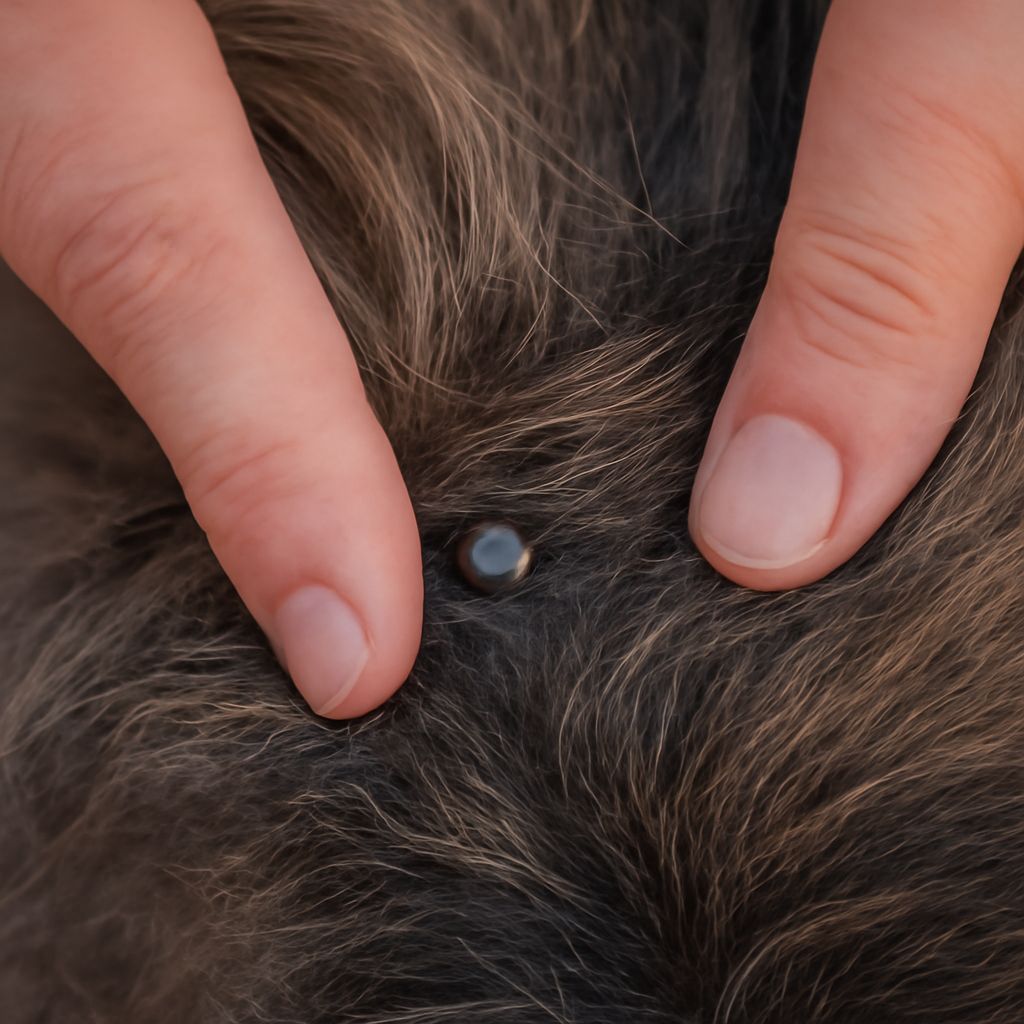
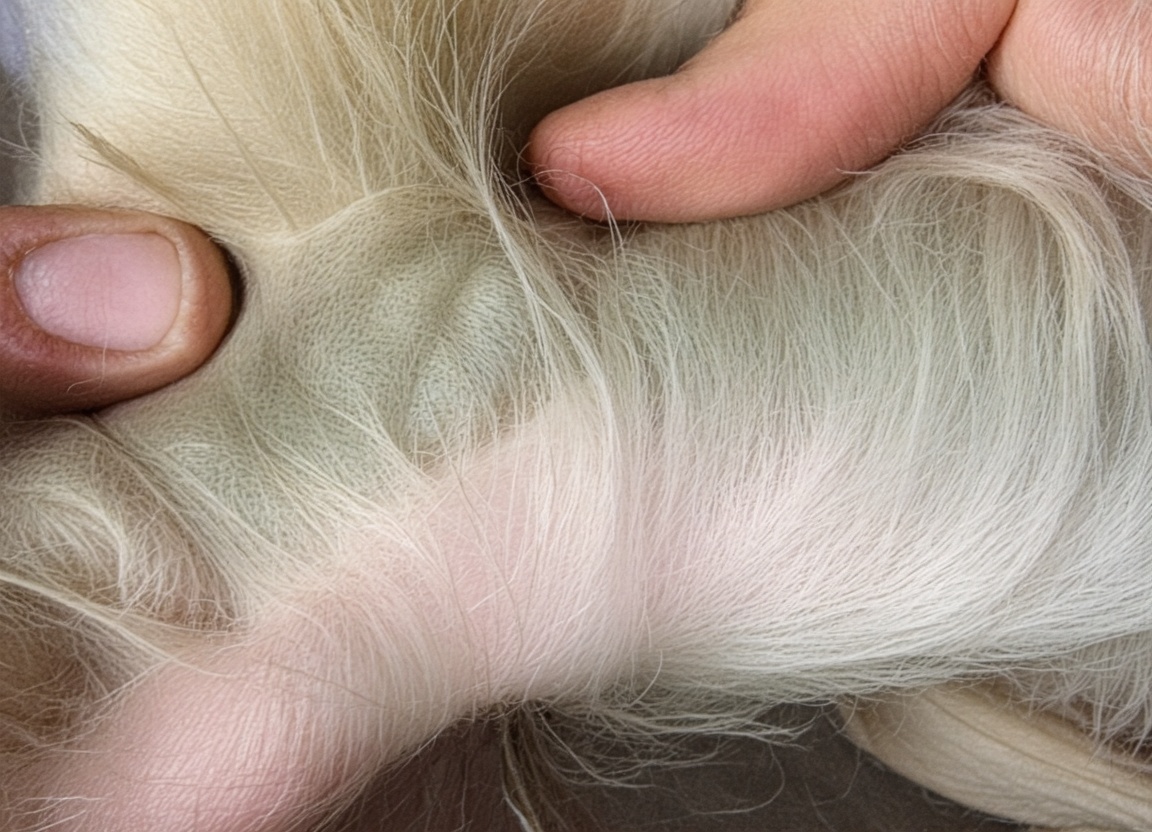
Mosquito bites on dogs often resemble small, raised, red welts. These may appear anywhere on your dog’s body, but are most commonly found on areas with less fur, such as the belly, ears, and nose. A dog may scratch or lick the affected area, leading to further irritation.
While some bites may be barely noticeable, others can cause significant swelling and redness. Observing your pet closely for these signs can help in identifying mosquito bites early.
Are Mosquito Bites Harmful to Dogs?
Although a single mosquito bite might seem harmless, it can pose serious health risks to dogs. Mosquitoes can transmit heartworm disease, a potentially fatal condition if left untreated. A dog bitten by an infected mosquito is at risk of developing heartworm infections, which can cause severe organ damage.
Additionally, mosquito bites can lead to allergic reactions in some dogs, resulting in intense itching and skin infections if scratched excessively. Being aware of these risks emphasizes the importance of prevention and early intervention.
How Can I Prevent Mosquito Bites on My Dog?
Environmental Changes
Minimizing the presence of mosquitoes in your dog’s environment is vital. Remove standing water from your yard, as this is where mosquitoes breed. Keeping your garden tidy and using mosquito-repelling plants can also be effective.
Using Repellents
Many pet-safe mosquito repellents are available that can be applied to your dog’s coat. These products often contain natural ingredients like citronella or eucalyptus. Always consult with your vet before using any new product to ensure it’s safe for your pet.
Protective Clothing
During peak mosquito activity times, such as dawn and dusk, consider using protective clothing for your dog. Lightweight, breathable jackets or vests can provide an additional layer of protection without causing discomfort.
What Should I Do If My Dog Gets a Mosquito Bite?
If your dog has been bitten by a mosquito, monitor the area for signs of infection such as excessive redness or swelling. You can apply a pet-safe anti-itch cream to soothe the irritation.
Should you notice any signs of an allergic reaction or suspect heartworm exposure, contact your veterinarian immediately. Early detection and treatment are crucial in preventing more serious health issues.
Being proactive in mosquito bite prevention and having a plan in place if your dog gets bitten can help maintain their health and well-being, ensuring they stay happy and comfortable throughout the mosquito season.