It’s a common misconception that brachycephalic dog breeds, known for their distinctive flat faces and short noses, are only prone to breathing issues. In reality, these breeds are also susceptible to other health challenges, including dog joint pain. This condition is often overlooked by pet owners focused on respiratory concerns, yet it significantly impacts the quality of life in these dogs. Understanding the full spectrum of health needs in brachycephalic breeds ensures better care and management for these beloved pets.
Additionally, potential pet owners are sometimes unaware of the alternative pets available that may require less intensive care. Bearded dragons are a popular choice due to their manageable needs and unique charm. Exploring these options can provide a rewarding pet ownership experience without the complications associated with brachycephalic breeds.
What Are Brachycephalic Dog Breeds?
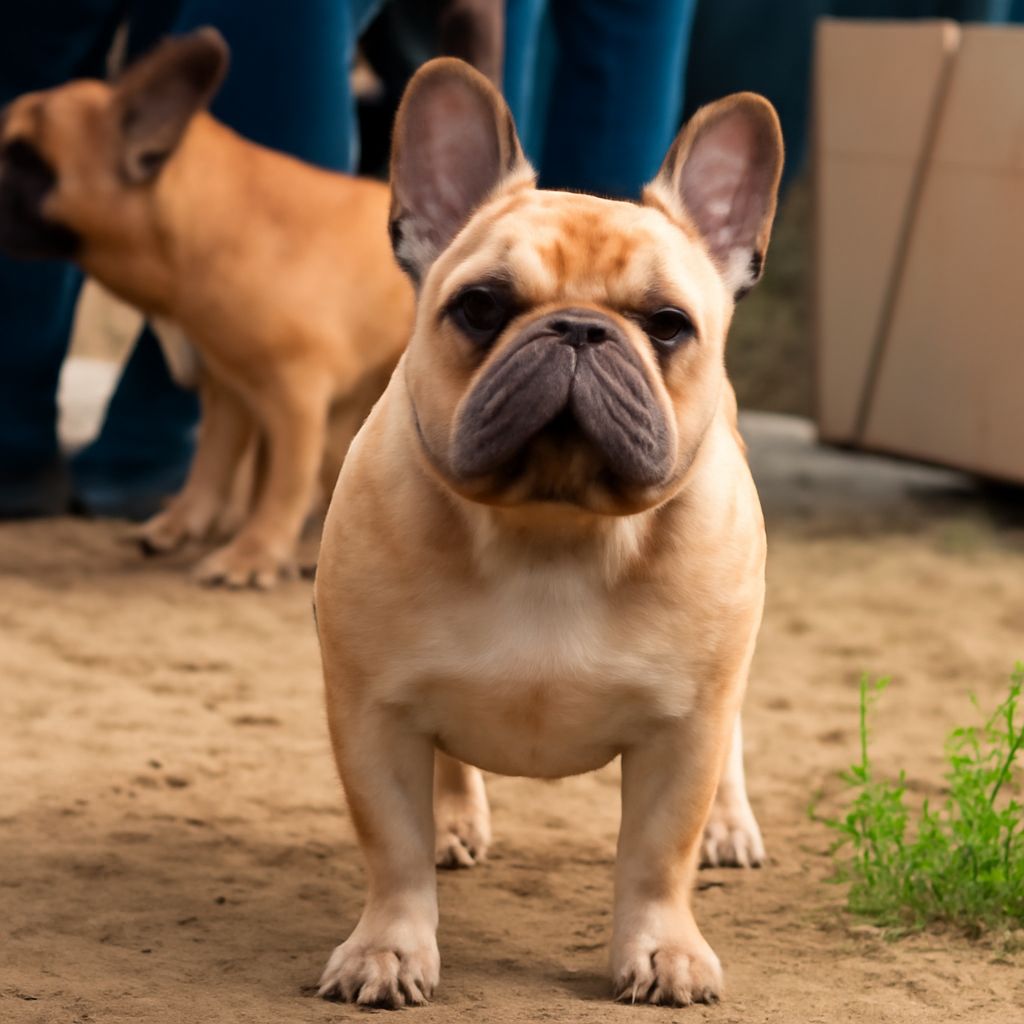
Brachycephalic dog breeds are characterized by their short, broad skulls, which give them their distinct facial structure. Breeds such as Bulldogs, Pugs, and Shih Tzus fall into this category. While their appearance is endearing to many, it comes with inherent health issues. Breathing difficulties are well-documented, but these dogs also face a higher risk of joint-related ailments.
Due to their unique body structure, including their compressed airways and often stocky build, brachycephalic breeds can experience joint discomfort more frequently than other breeds. This makes recognizing and addressing dog joint pain crucial for owners of these dogs.
Recognizing Dog Joint Pain in Brachycephalic Breeds
Identifying joint pain in dogs, particularly brachycephalic ones, requires a keen eye. Signs include limping, reluctance to move, and decreased activity levels. These symptoms can often be mistaken for laziness or normal aging, but they may indicate underlying joint issues.
Owners should also be vigilant for more subtle signs such as behavioral changes, including irritability or depression, which can accompany pain. Regular veterinary check-ups are essential to catch these problems early, allowing for more effective management of dog joint pain.
How to Watch for Signs of Joint Pain
Monitoring your dog’s behavior is key to catching early signs of joint pain. Pay close attention to how your dog moves and interacts. A dog that hesitates to jump or climb stairs may be experiencing discomfort. Observing your dog’s gait and stance can also provide clues.
The development of joint pain can be gradual. Therefore, keeping a journal of your dog’s physical abilities over time can be helpful. If changes occur, consult a veterinarian promptly. They can provide guidance on treatments such as weight management, physical therapy, or medications to alleviate discomfort.
Alternative Pets: Considering Bearded Dragons
For those considering pet ownership without the challenges posed by brachycephalic dogs, bearded dragons present a captivating alternative. These reptiles are relatively low-maintenance but still offer engaging companionship. They thrive in controlled environments and require minimal grooming compared to dogs.
While bearded dragons do not experience joint pain, they do have specific habitat and dietary needs that must be met for their well-being. Prospective owners should research thoroughly to understand the responsibilities involved in caring for these reptiles. Consulting with a licensed reptile specialist can provide valuable insights into their care requirements.
Whether you’re a current dog owner seeking to address joint pain or considering a new type of pet, understanding the needs of your chosen companion is essential. With the right knowledge and care, your pet can enjoy a comfortable and fulfilling life.