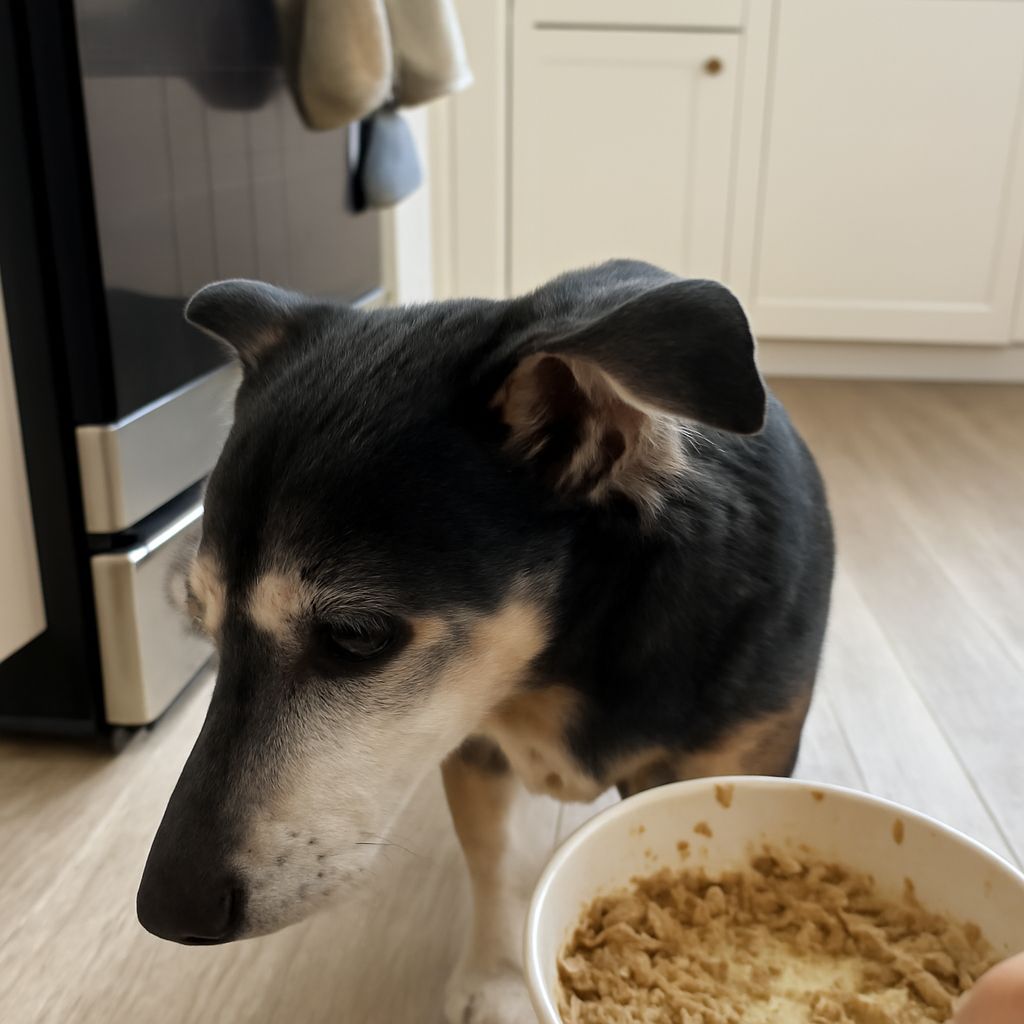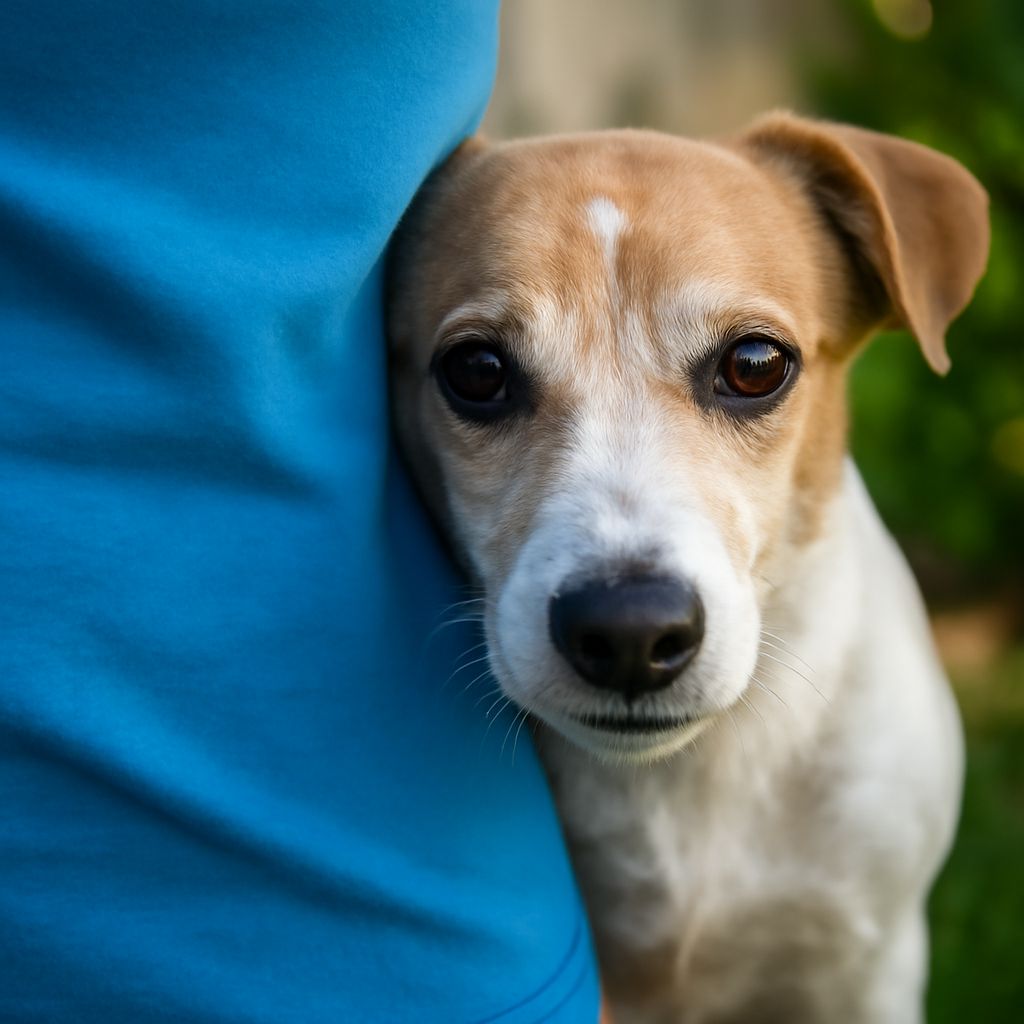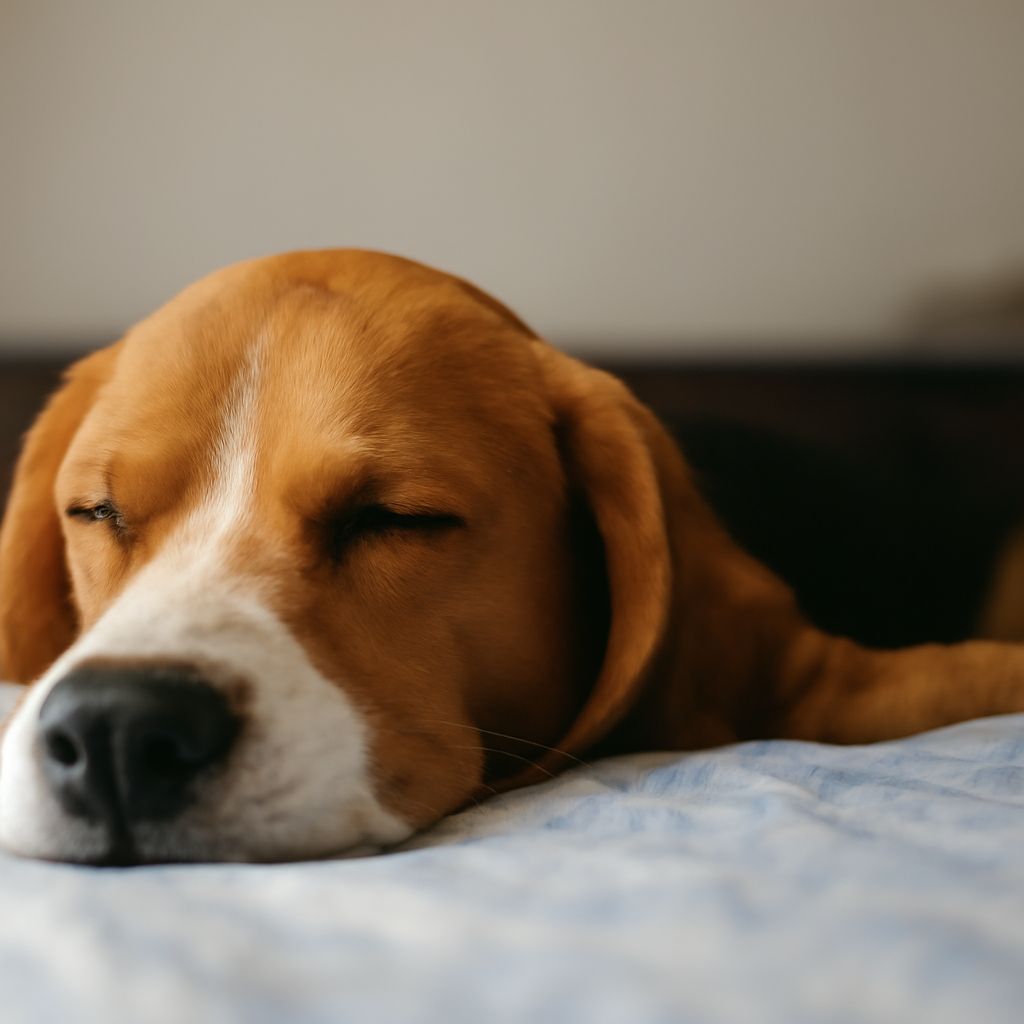
Many dog owners worry when they hear their dogs panting at night. They might ask themselves, “Why is my dog pacing and panting?” and wonder if it’s a sign of a serious issue. While it’s common to assume that a dog panting heavily during the night is always a cause for alarm, this isn’t necessarily true. There are various reasons for such behavior, and understanding the context can help you determine if a vet visit is necessary.
It’s important to note that dogs naturally pant to regulate their body temperature. However, if your dog is restless at night, the panting might be linked to other factors besides just cooling down. Let’s explore the possible causes and what you can do to help your furry friend sleep better.
What Causes Dog Heavy Panting at Night?
Several factors can lead to a dog panting heavily during the night. Environmental conditions, such as a warm room or a lack of fresh air, can contribute to your dog feeling too hot, prompting them to pant to cool down. Another common reason is anxiety. Dogs may experience stress due to changes in their environment, such as unfamiliar noises or new household members.
Health issues like respiratory problems or heart conditions may also cause nocturnal panting. If you notice your pet is showing signs of labored breathing or coughing along with panting, it’s crucial to seek advice from a veterinarian. Illnesses like Cushing’s disease or pain from an injury can also make dogs pant heavily, so keep an eye on their overall health and behavior.
Why Is My Dog Pacing and Panting?
When a dog is both pacing and panting, it often indicates discomfort or anxiety. Dogs might pace and pant if they are feeling stressed due to thunderstorms, fireworks, or other loud noises. Separation anxiety can also be a culprit if your dog struggles to settle down when left alone. Pay attention to any external factors that might be troubling your pet.
Sometimes, dogs pace because they are in pain. Look for accompanying signs such as limping or excessive licking of a particular area. In such cases, consulting a veterinarian is essential to determine the underlying issue. Additionally, cognitive dysfunction in older dogs can cause confusion and restlessness, leading to pacing and panting behaviors. A vet can offer guidance, and in some cases, medication to manage the symptoms.
How to Help Your Restless Dog at Night
To help your dog stop panting heavily and pacing at night, consider making their sleeping area more comfortable. Ensure they have a cool, quiet place to rest and consider using a fan or air conditioning to maintain a comfortable temperature. Providing your dog with a cozy bed and familiar toys may also encourage relaxation.
If anxiety is the culprit, explore anxiety-reducing products like calming collars or diffusers that release soothing pheromones. Consistent routines and plenty of exercises can help alleviate stress by burning off excess energy and establishing a sense of security. Talk to a veterinarian about your dog’s anxiety if these measures don’t seem to help.
For health-related issues, regular check-ups are key in preventing and addressing problems early. If you suspect your dog has a medical condition contributing to their sleep disturbance, schedule a visit to the vet. They will provide a thorough examination and can recommend treatments or lifestyle changes to improve your dog’s quality of life.
Remember, while it’s natural for dogs to pant occasionally, persistent heavy panting coupled with restlessness might warrant further investigation. Being attentive to your dog’s behavior and providing a nurturing environment can go a long way in ensuring they have restful nights.