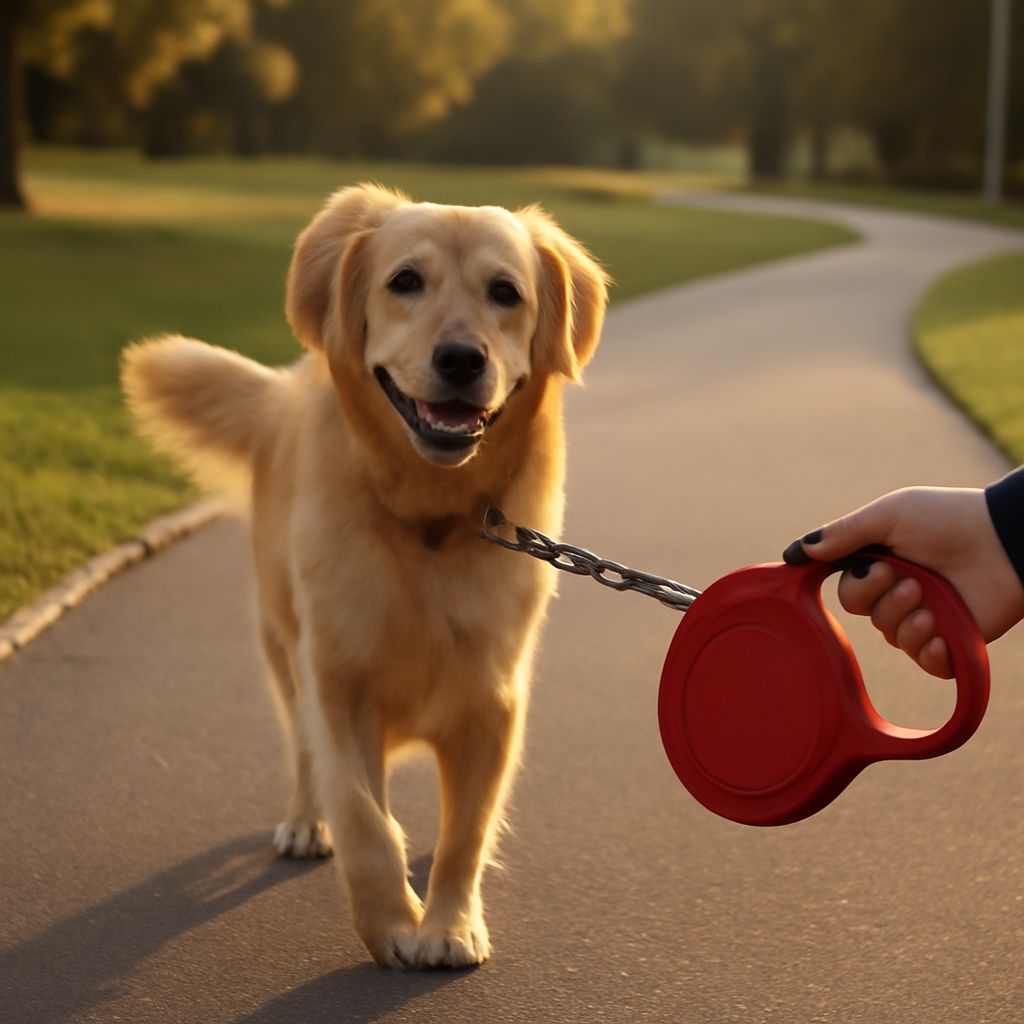
Many dog owners mistakenly believe that a tight collar is the best way to control their pets. In reality, a collar that is too tight can cause discomfort and even harm. Understanding how tight a dog collar should be is crucial for ensuring your pet’s safety and comfort. Additionally, exploring reputable facilities like the John Gagnon Pet Resort can provide insights into proper dog care. This article delves into the essential aspects of dog collar fit and offers guidance on achieving the ideal tightness.
Moreover, it’s a common myth that any collar will do. The truth is, correctly fitted collars are vital for both training and day-to-day activities. By learning how to tighten a dog collar properly, you can prevent potential injuries and ensure that your furry friend remains secure and happy.
Why Collar Fit is Important
A well-fitted collar is fundamental for your dog’s safety and overall wellbeing. Collars that are too loose might slip off, leading to a runaway dog, while those that are too tight can cause skin irritation, breathing difficulties, or even injury. Ensuring the correct fit allows for effective control during walks and training sessions without compromising comfort.
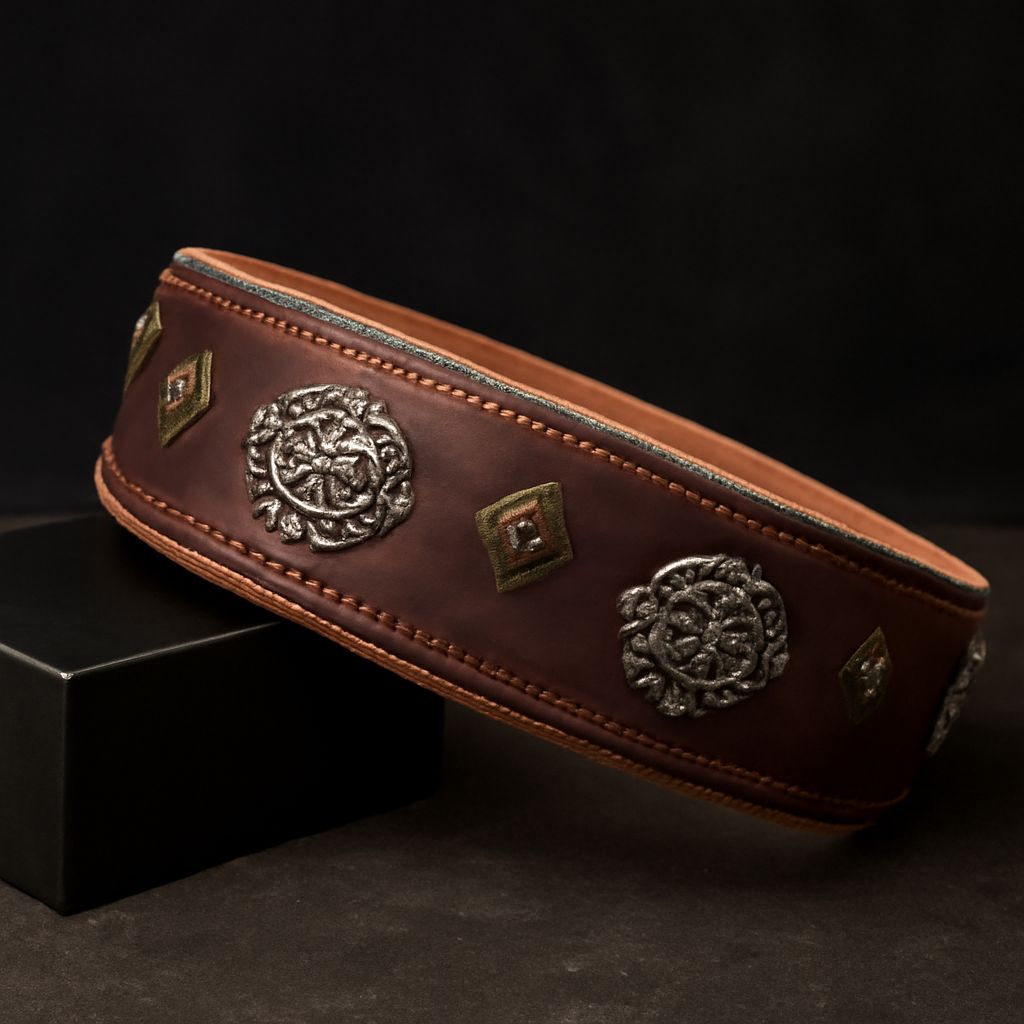
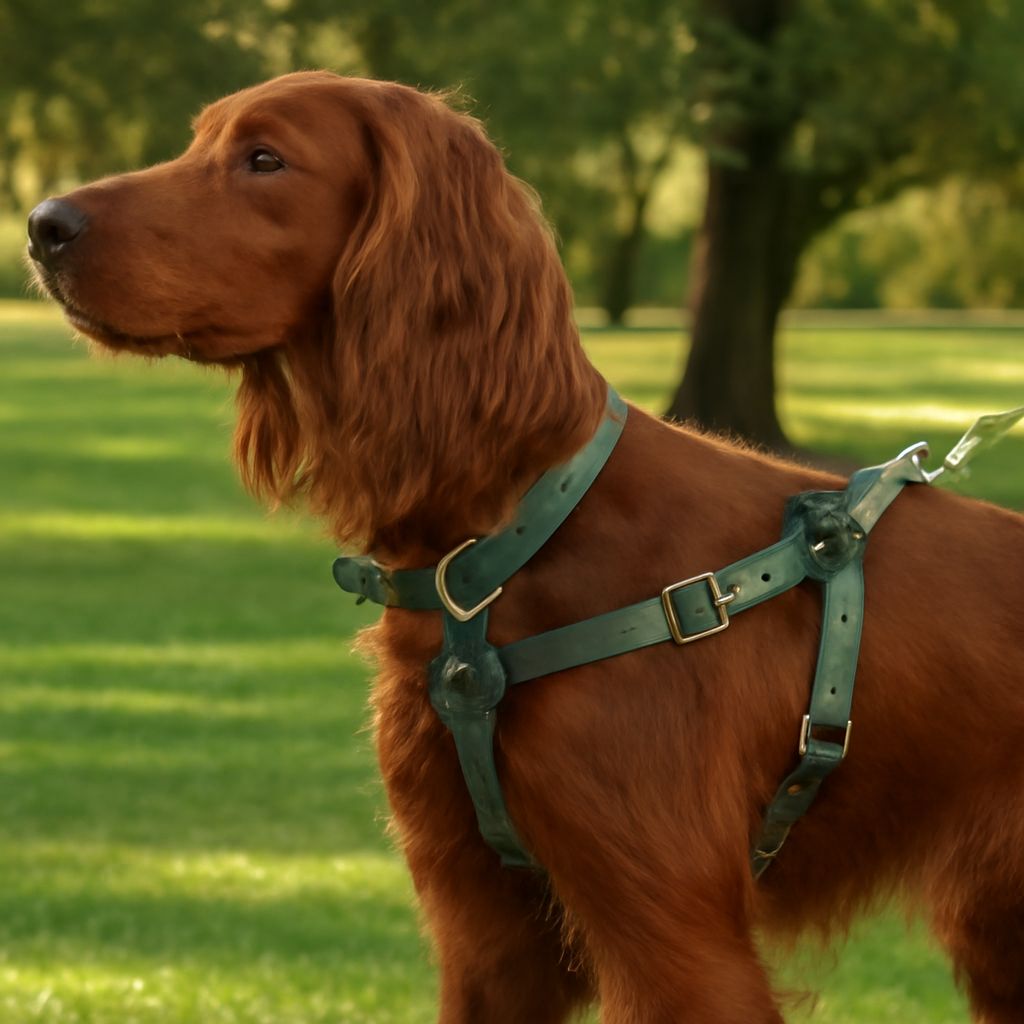
There are various types of collars available, each serving different purposes. Whether you choose a flat collar, a martingale, or a harness, understanding how each works will help you determine the best fit for your dog’s needs. Always consult a professional stylist when in doubt, especially if your dog has unique requirements.
How to Measure the Right Tightness for Your Dog’s Collar
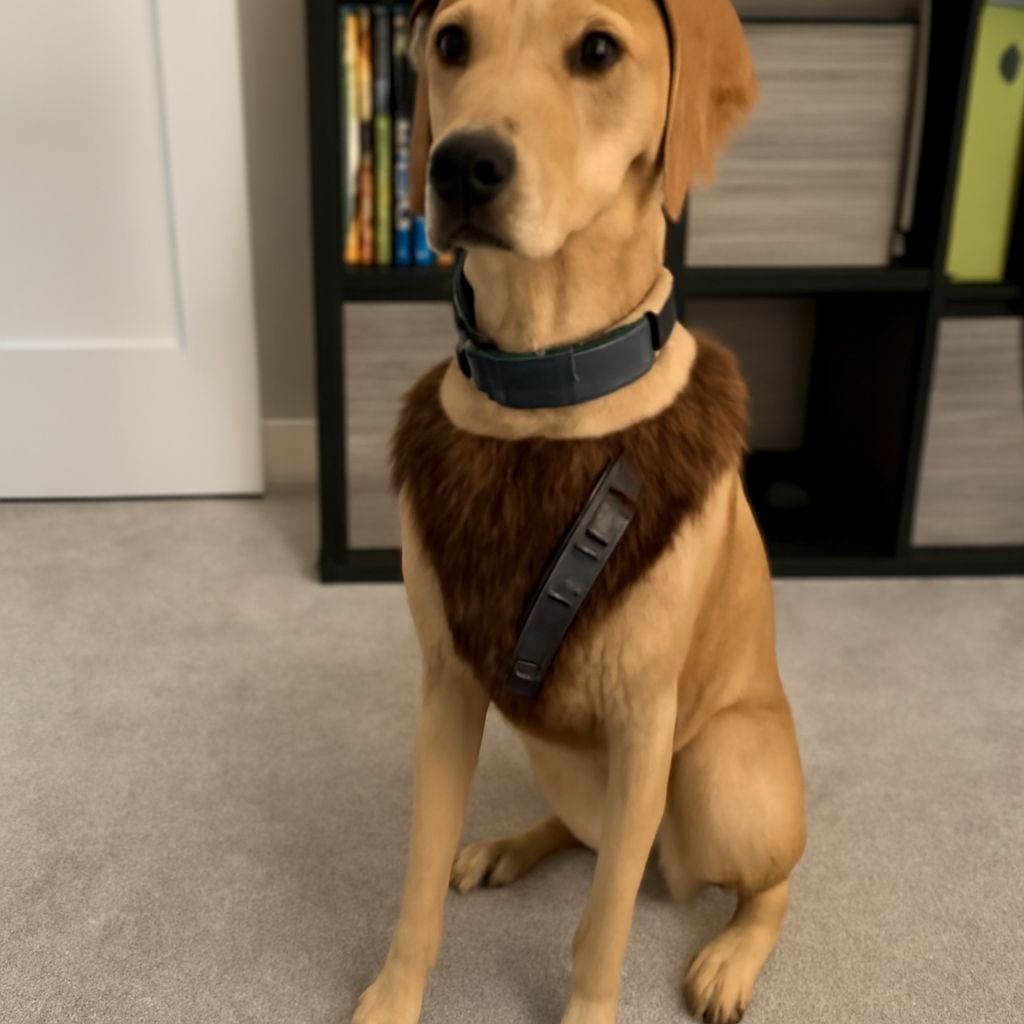
To accurately measure your dog’s collar size, you’ll need a flexible tape measure. Start by measuring around the base of your dog’s neck where the collar will sit. Add about two inches to this measurement to ensure a comfortable fit. This method allows enough room for you to slip two fingers between the collar and your dog’s neck, which is the standard guideline for secure fitting.
Different breeds and sizes require specific measurements. For small dogs, ensure the collar is snug but not constricting. Larger breeds might need more adjustment flexibility. Regularly recheck the collar’s fit, especially if your dog is still growing or has lost weight.
Steps on How to Tighten a Dog Collar
Once you have the correct measurement, adjust the collar to achieve the ideal tightness. Begin by loosening the collar completely. Place it around your dog’s neck and adjust the buckle gradually until it fits comfortably. Ensure that it is not cutting into the skin and that there is still room for movement.
After adjusting, test the collar by pulling on it gently to see if it slips off or is too tight. For adjustable collars, double-check the buckles and clasps to ensure they are securely fastened. Regular maintenance and checks are recommended to keep the collar in optimal condition.
Exploring Pet Battle Dungeons and John Gagnon Pet Resort
As pet owners, finding the right services for training and relaxation is crucial. John Gagnon Pet Resort offers a blend of professional care and innovative training solutions. This facility is renowned for its expertise in dog handling and provides a safe environment for pets to learn and play.
Pet battle dungeons, although primarily associated with fantasy games, metaphorically describe spaces where pets can engage in structured activities. Such environments are vital for behavioral development and physical health. John Gagnon Pet Resort ensures your pet has access to these enriching experiences under expert supervision, promoting overall wellbeing.