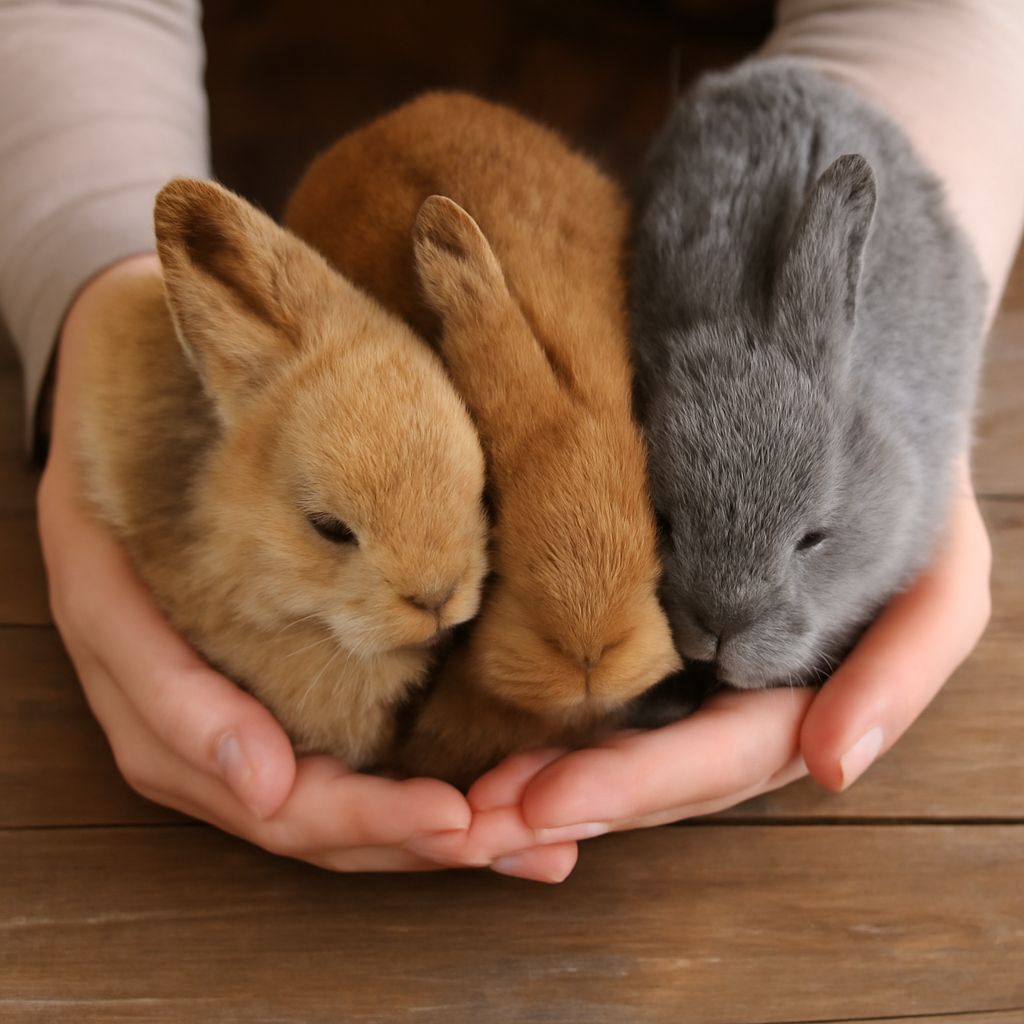
Rabbits are often misunderstood as being low-maintenance pets, akin to goldfish in a bowl. However, rabbit care involves much more than simply tossing a carrot into their enclosure. Best rabbits for pets require attention, suitable living conditions, and understanding to truly thrive. For those considering these delightful creatures as companions, it’s essential to recognize that not all rabbits are created equal when it comes to compatibility with home life.
Before delving into the best rabbit breeds for pets, it’s crucial to debunk the myth that all rabbits are the same. Each breed boasts unique qualities, making some rabbits better suited for families than others. Understanding these differences can significantly enhance the experience of having a rabbit as a pet, ensuring both human and bunny are content.
What Makes a Rabbit Breed Ideal for Pets?
Several factors contribute to what makes the best bunny for pet ownership. Temperament is a primary consideration. Some breeds, like the Holland Lop, are known for their gentle and affectionate nature. Easygoing rabbits tend to adapt well to home environments and are more likely to get along with children and other pets.
Size is another important aspect. Smaller breeds are often more manageable in smaller living spaces, while larger rabbits require more room to roam. Regardless of size, all rabbits need exercise, which should be factored into your living arrangements.
Care requirements also play a role in determining the best rabbit for pet owners. Breeds with dense or long fur, such as Angoras, require regular grooming to prevent matting, whereas short-haired breeds might be less demanding in this aspect. Understanding the grooming needs of different breeds will ensure your pet remains comfortable and healthy.
Which Are the Best Rabbit Breeds for Pets?
Several rabbit breeds are acclaimed for their suitability as pets. The Mini Rex stands out due to its plush velvet-like coat and playful nature. This breed is generally easy to handle and loves human interaction, making it a popular choice for families.
The Netherland Dwarf, known for its small size and big personality, is another excellent option. This breed may be small, but it’s full of energy and tends to form strong bonds with its owners. They can be slightly more skittish, so gentle handling is important to ensure they feel secure.
Another top contender is the Lionhead rabbit. With its distinctive mane and friendly demeanor, this breed is a hit with kids and adults alike. Lionheads are relatively small, making them easy to accommodate in various living situations.
How to Choose the Best Pet Rabbit Breed for Your Family
Selecting the best rabbit for pet lovers involves considering your lifestyle, living space, and family dynamics. Families with young children might opt for breeds known for their gentle nature, such as the Mini Lop, which is not only affectionate but also robust enough to handle a bit of rough and tumble.
For individuals living in apartments or smaller homes, breeds like the Holland Lop or the Mini Rex might be better suited due to their manageable size and friendly disposition. These rabbits also adapt well to indoor living, provided they have a space to hop and play.
Before bringing home a rabbit, research the specific care needs of your chosen breed. Consulting with a licensed veterinarian familiar with rabbits can provide valuable insight into what to expect in terms of diet, health, and grooming requirements. This step is particularly important if you are considering a breed with special care needs, such as grooming-intensive Angoras.
Ultimately, the best rabbit breed for your family will be one that matches your lifestyle and can become a cherished part of your household. Understanding the specific traits and needs of each breed will ensure a harmonious relationship between you and your furry friend.
Safety Recap: If your rabbit care involves tools, such as grooming brushes for long-haired breeds, handle them with care to prevent injury. Always consult a professional for complex care or if your rabbit shows signs of distress or health issues.