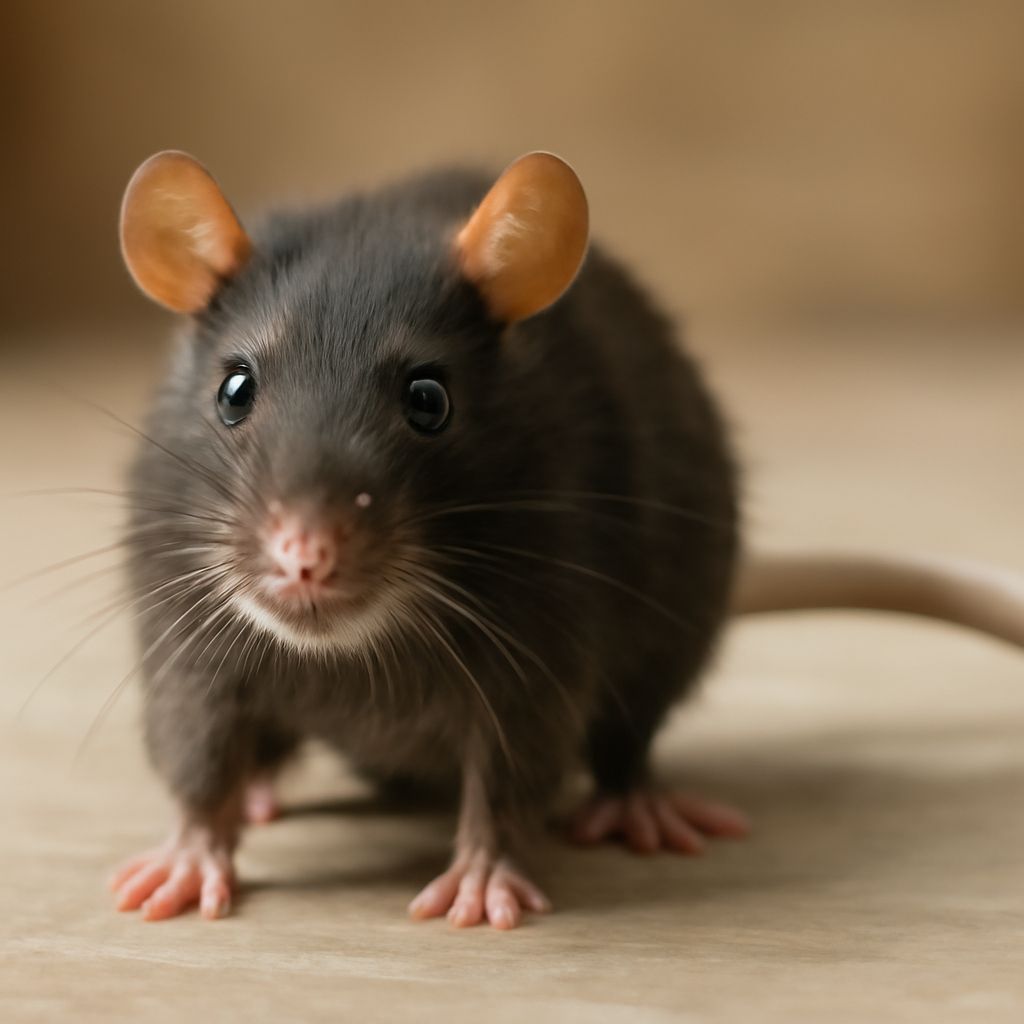
Myths abound when it comes to the dangers posed by rat poison to pets. One common misconception is that all types of rat poison will immediately kill a dog. While it is true that rodenticides can be lethal, the effects depend on several factors, such as the amount ingested and the type of poison. If your dog ate mouse poison, immediate action is crucial. Understanding how much rat poison will hurt a dog is essential for pet owners to make informed decisions and take prompt action. Moreover, exploring pet friendly alternatives can prevent future incidents and ensure the safety of your furry companions.
Immediate Actions to Take
If you suspect your dog has ingested rat poison, it’s critical to act quickly. First, try to identify the type and amount of poison consumed. This information will be invaluable when you consult licensed professionals or veterinarians. Immediately contact your vet or an emergency animal clinic for guidance. They may instruct you to bring your pet in for treatment or administer first aid at home, depending on the situation. Quick response can significantly increase the chances of recovery.
Inducing vomiting might be recommended in some cases, but should only be done under professional guidance to avoid further complications. Activated charcoal can sometimes help absorb toxins, but again, consult an expert before administration. Keeping a calm demeanor is essential; panicking can make the situation more stressful for both you and your pet.
Will Rat Poison Kill a Dog and How Much is Dangerous?
Various types of rat poison can pose different levels of risk to dogs. Anticoagulant rodenticides, for example, interfere with the blood’s ability to clot, potentially leading to severe internal bleeding. The lethal dose can vary depending on the size and health of your dog. Understanding how much rat poison will hurt a dog is crucial for assessing the severity of the situation.
Other types of poisons, such as bromethalin or cholecalciferol, can have different toxic effects. The quantity ingested is a significant factor; smaller dogs are more vulnerable even to small amounts of these substances. It’s vital to recognize symptoms like lethargy, vomiting, or unusual behavior as early warning signs of poisoning.
Identifying Pet Friendly Rat Poison Alternatives
In households with pets, the use of traditional rat poison should be reconsidered due to its potential dangers. Fortunately, there are safer alternatives available. Pet friendly options include traps that don’t rely on toxic chemicals, as well as natural deterrents. These solutions can effectively manage rodent problems without putting pets at risk.
Employing physical barriers, such as sealing entry points and using traps, is another way to safeguard your home. Additionally, some commercial products are designed specifically to be less harmful to pets in case of accidental ingestion. Researching and implementing these alternatives can create a safer environment for all household members.
Preventing Future Incidents
The best way to protect your dog from the dangers of rat poison is through prevention. Regularly inspect your home to ensure that all rodenticides are stored securely and are inaccessible to pets. Consider using pet friendly alternatives to minimize the risk completely.
Educate family members and guests about the dangers of traditional rat poison and emphasize the importance of vigilant storage practices. Training your dog to avoid unfamiliar objects and substances can also be a beneficial precaution. This proactive approach can significantly reduce the likelihood of accidental ingestion.
By understanding the risks associated with rat poison and exploring safer alternatives, you can ensure a safer environment for your pets. Always consult a licensed professional for complex issues or if severe symptoms develop, ensuring your furry friend’s health and wellness remain a priority.