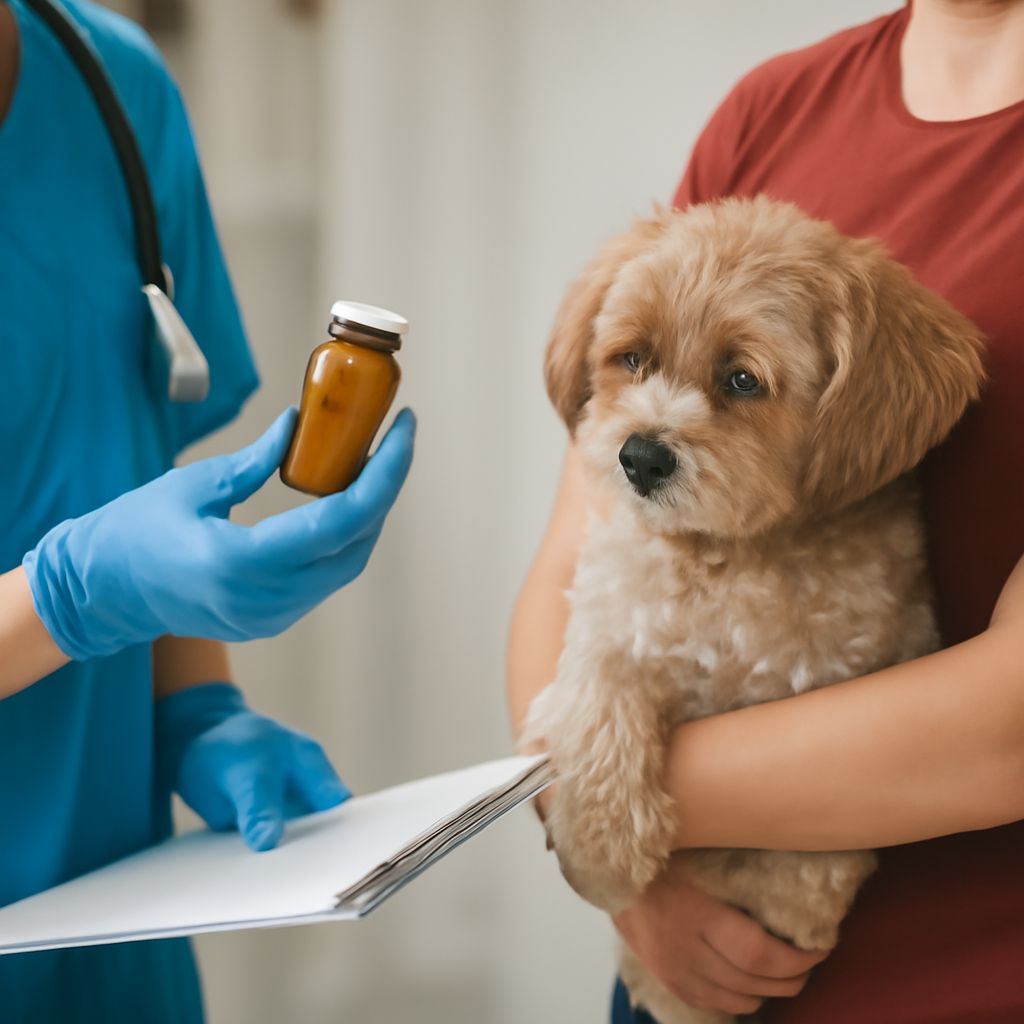
Many pet owners are surprised to discover that their furry companions can suffer from urinary tract infections, often mistaking the symptoms for behavioral issues. Understanding urinary tract infection in dogs is crucial for ensuring your pet’s health. A dog UTI can significantly impact your pet’s well-being, yet many owners are unaware of what to look for. In this article, we will explore how to identify and manage UTI dog symptoms effectively and provide guidance on maintaining your dog’s urinary health.
What is a Dog UTI?
A dog urinary tract infection occurs when bacteria enter the urinary tract, leading to inflammation and discomfort. This condition is common in canines and can affect any part of the urinary system, including the bladder and urethra. While a UTI in dogs can often be treated successfully, it’s essential to address it promptly to avoid complications.
Female dogs are more susceptible to UTIs due to their anatomy, but male dogs can also suffer from this condition. Other factors such as age, underlying health problems, or a weakened immune system can increase a dog’s risk of developing a urinary tract infection.
Recognizing UTI Dog Symptoms
Recognizing UTI dog symptoms early can prevent further health issues. Common signs include frequent urination, straining to urinate, and blood in the urine. You might also notice that your dog is more lethargic than usual or experiences discomfort during urination.
Pay close attention to changes in your dog’s urination patterns. If you observe your dog urinating in inappropriate places or showing signs of pain, it may be a sign of a urinary tract infection. A strong odor in the urine can also indicate a problem.
How to Tell if Your Dog Has a UTI
To determine if your dog has a UTI, you should consult a veterinarian. A professional assessment is essential, as other conditions can mimic UTI symptoms. Your vet will likely conduct a urinalysis to check for bacteria, blood, or crystals in the urine.
In some cases, additional tests such as urine culture or imaging may be required to rule out other issues like urinary stones or tumors. Early diagnosis and treatment are key to preventing complications from a canine urinary tract infection.
Treating and Preventing Urinary Tract Infections in Dogs
Treatment for a urinary tract infection in dogs typically involves antibiotics to eliminate the bacteria causing the infection. Your veterinarian will prescribe the right medication based on the specifics of your dog’s condition. It’s crucial to follow the prescribed treatment plan thoroughly to ensure complete recovery.
Preventive measures can help reduce the risk of UTIs in your dog. Ensure your pet has access to fresh water at all times and encourage regular urination by providing sufficient bathroom breaks. Maintaining a balanced diet and regular vet check-ups can also contribute to your dog’s urinary health.
If your dog experiences frequent UTIs, your vet may recommend dietary adjustments or supplements to support urinary tract health. Always consult a licensed veterinarian before making significant changes to your pet’s diet or health regimen.
Safety Recap: If you suspect your dog has a UTI, consult your vet promptly. Professional care ensures appropriate treatment and helps prevent recurring issues. Proper hydration and regular vet visits are vital in maintaining your dog’s urinary health.