Many dog owners feel alarmed when their furry companions develop a swollen eye or exhibit symptoms of conjunctivitis. It’s a common misconception that such conditions always require immediate veterinary intervention. However, understanding the nature of dog conjunctivitis and recognizing the potential for home treatment can empower owners to manage minor eye issues effectively. By exploring dog swollen eye home treatment options, pet parents can often alleviate discomfort and promote healing without the need for costly medical procedures.
It’s essential to debunk the myth that every instance of a dog eye infection is an emergency. While some situations undoubtedly necessitate professional care, many can be managed through dog eye infection home remedies. Knowing when and how to apply these solutions can make a significant difference in your dog’s health and comfort. Furthermore, understanding the causes and symptoms of eye issues can help owners identify when a condition is severe enough to warrant a vet visit. Let’s delve deeper into effective options for a dog with a swollen eye.
Understanding Dog Conjunctivitis and Swollen Eyes
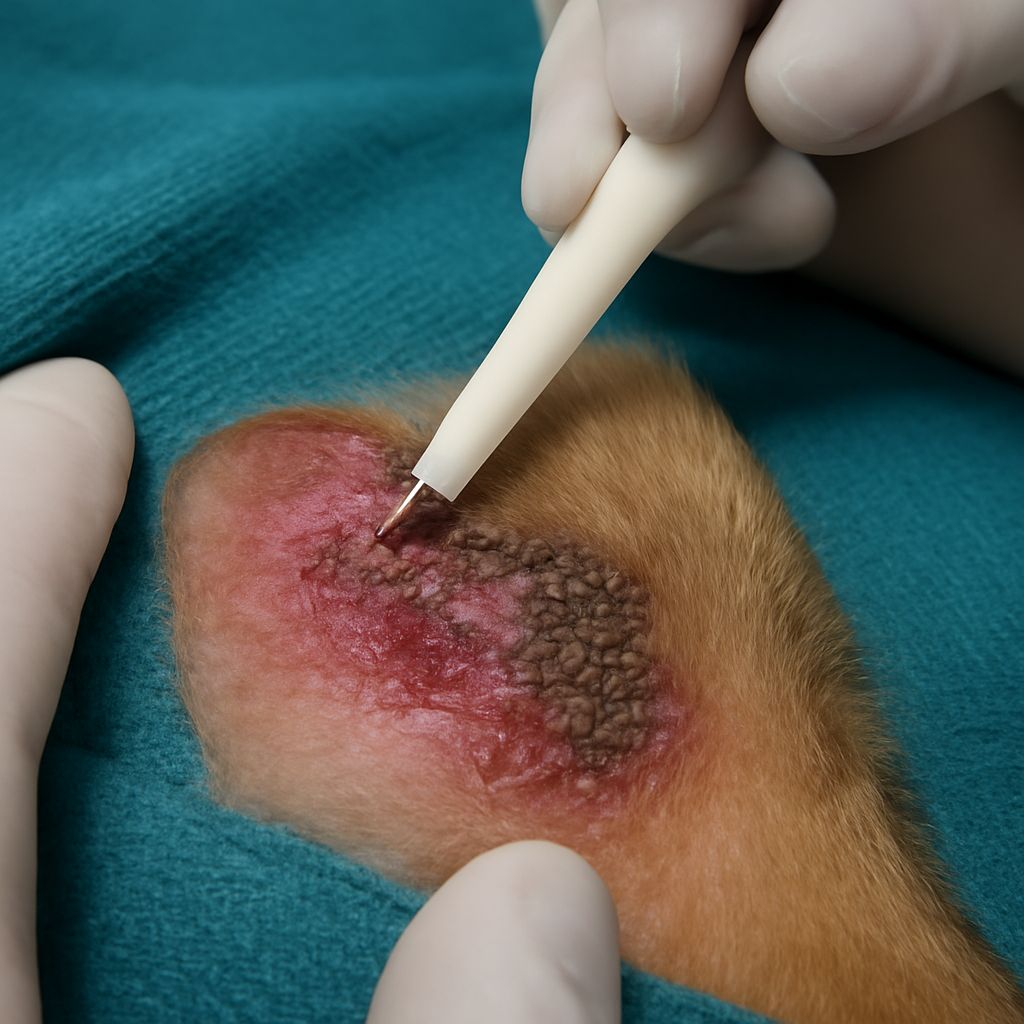
Conjunctivitis, commonly known as pink eye, affects the tissue lining a dog’s eyelids and eye area. Symptoms can include redness, swelling, discharge, and excessive tearing. Various factors contribute to dog conjunctivitis and swollen eyes, such as allergies, bacterial or viral infections, and foreign objects. It’s crucial to pinpoint the cause to determine the appropriate dog swollen eye home treatment.
For allergic reactions, removing potential allergens can alleviate symptoms. In the case of bacterial infections, dog eye infection home remedies may include saline washes or gentle cleaning with a warm, damp cloth. Viral infections require careful monitoring and supportive care until symptoms resolve.
Dog Conjunctivitis Home Treatment Methods
Several effective dog conjunctivitis home treatment methods can help reduce discomfort and promote healing. Regular cleaning of the eyes with a saline solution can remove irritants and soothe inflammation. It’s advisable to use a clean cotton ball or soft cloth for each eye to prevent cross-contamination.
Other remedies for a dog with swollen eyes include applying lukewarm compresses to reduce swelling and soothe irritation. Herbal remedies, such as chamomile tea bags, can also provide relief when applied gently to the affected area. Remember to consult with a veterinarian if symptoms persist or worsen despite home treatment efforts.
Preventing and Managing Dog Eye Infections
Preventive measures play a vital role in managing dog eye infections. Keeping your dog’s environment clean and free from irritants can significantly reduce the risk of conjunctivitis. Regular grooming, including trimming hair around the eyes, can prevent debris from accumulating and causing irritation.
Balanced nutrition and hydration contribute to overall eye health, while routine vet checkups ensure any underlying conditions are identified early. Monitoring your dog’s behavior for signs of discomfort or changes in eye appearance can aid in prompt intervention if necessary.
When to Seek Veterinary Attention
While many cases of dog swollen eye home treatment are successful, it’s important to recognize when professional care is required. Persistent symptoms, severe swelling, or pain that does not improve with home remedies should prompt a vet visit. Additionally, if your dog exhibits lethargy or loss of appetite alongside eye issues, it’s crucial to seek veterinary advice.
Consulting a licensed veterinarian is essential for complex color correction or severe damage that cannot be addressed safely at home. Professional assessment ensures your dog’s eye health is managed with the appropriate care.
Key takeaways: Conjunctivitis and swollen eyes in dogs can often be treated at home with effective remedies. Identifying symptoms and understanding the causes are crucial for providing relief. Always consult a veterinarian for persistent or severe eye conditions to ensure your dog’s health and safety.