There’s a common belief that eczema in dogs is simply a rare and minor irritation, but this misconception can lead to overlooking significant skin issues. Dog eczema can manifest through various symptoms, and understanding these is critical to providing effective relief. Furthermore, while it might seem harmless, sometimes a red dog collar can exacerbate these problems, causing additional irritation. The allure of stylish red dog tags doesn’t always align with your dog’s health needs, especially for red dog breeds predisposed to skin problems.
It’s important to recognize that dog red skin isn’t just a cosmetic concern. It often indicates underlying issues that require attention. Effective management involves identifying potential irritants and establishing a comprehensive care routine.
What Causes Dog Eczema?
Dog eczema, often referred to as atopic dermatitis, can stem from various sources. Allergies are a leading factor, with triggers ranging from environmental factors like pollen and dust mites to specific ingredients in their diet. Additionally, some red dog breeds might have a genetic predisposition to these allergies, making them more susceptible to developing eczema.
Beyond allergies, other causes include parasitic infestations like fleas, which can lead to intense itching and further skin irritation. Dry skin, exacerbated by harsh grooming products or environmental conditions, can also contribute to eczema development.
Identifying Dog Red Skin: Symptoms and Signs
Common Symptoms of Dog Eczema
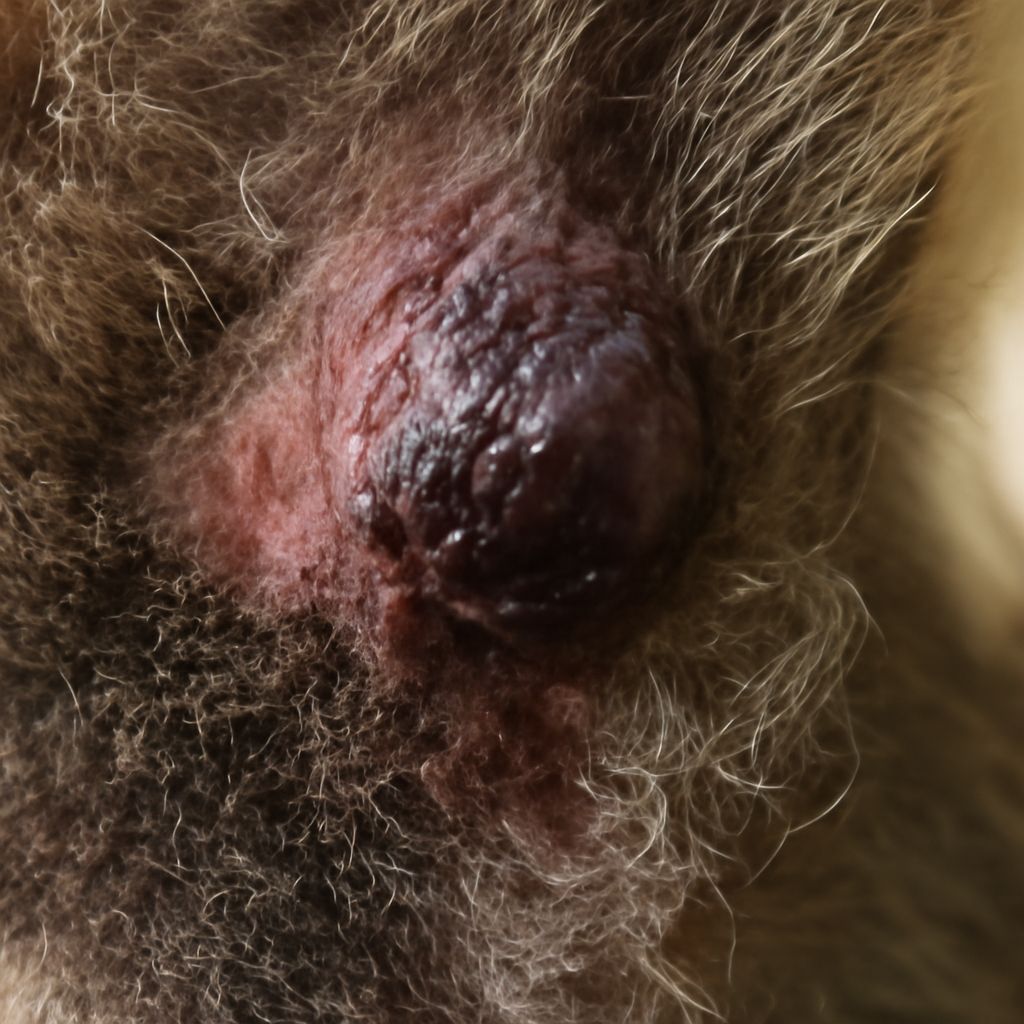
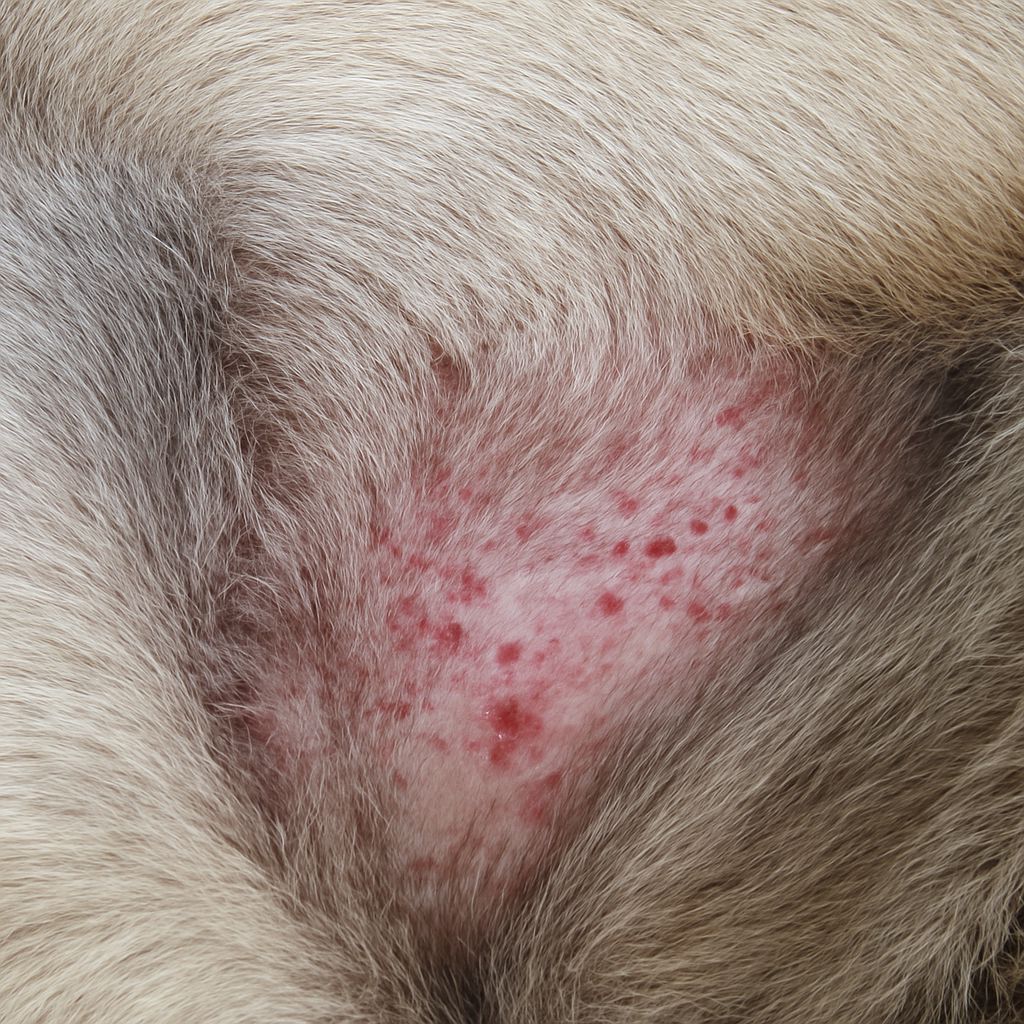
Dog red skin is one of the primary indicators of eczema, characterized by inflammation and irritation. You may notice your dog excessively licking or scratching areas where the skin appears red. Other symptoms include the appearance of hot spots, dry or flaky skin, and hair loss in affected regions.
For some dogs, the skin may become thickened and develop a leathery texture, a condition known as lichenification. It’s crucial to observe these changes closely, as they can help differentiate eczema from other skin conditions.
When to Consult a Veterinarian
If your pet’s skin condition persists despite home treatment or if you notice symptoms such as oozing sores, extensive hair loss, or severe discomfort, it’s advisable to consult a veterinarian. A professional can perform tests to determine the exact cause and recommend appropriate medical treatment, which might include antihistamines or medicated shampoos.
The Role of Red Dog Accessories in Skin Health
Red dog accessories, like collars and tags, can sometimes contribute to skin issues if not chosen carefully. The dye used in these accessories might irritate sensitive skin, particularly in areas where the collar makes contact. Opting for hypoallergenic materials and ensuring the accessory fits properly can help mitigate these risks.
Moreover, regular cleaning of these accessories can prevent the build-up of allergens and bacteria, further promoting skin health. While fashion is fun, prioritizing your dog’s skin health with well-chosen accessories is crucial.
Treatment and Prevention Tips for Dog Eczema
Managing your dog’s eczema involves a combination of treating existing symptoms and preventing future flare-ups. Bathing your dog with hypoallergenic, moisturizing shampoos can soothe irritated skin. Ensuring your dog’s diet is free from common allergens is also essential.
Preventive measures include regular flea control and maintaining a clean environment to reduce exposure to allergens. Integrating omega-3 fatty acids into your dog’s diet can also improve skin health, as these nutrients have anti-inflammatory properties.
In cases of complex skin conditions or severe eczema, consulting a licensed veterinarian or dermatological specialist is recommended. They can offer tailored advice and, if necessary, prescribe advanced treatments to help manage the condition.
Bottom line: Dog eczema is a manageable condition with proper care and attention. Identifying symptoms early, understanding potential irritants, and adopting preventive measures are key to maintaining your dog’s skin health.