Yeast infection dog paws are often misunderstood as a minor annoyance, but these infections can cause significant discomfort for dogs. Many believe that a little itching is harmless, yet the symptoms of dog yeast infection paws can indicate a deeper issue that requires attention. While some assume these infections arise solely from hygiene neglect, various factors contribute to this condition.
By debunking these myths, we can better understand the underlying causes and most effective treatments for yeast infections in dog paws. Awareness is crucial for maintaining your pet’s health, ensuring their paws are free from the irritation and pain associated with yeast infections.
What Causes a Dog Paw Yeast Infection?
Common Triggers
Several factors can lead to a yeast infection in dog paws. One primary cause is an overgrowth of the Malassezia yeast, which is naturally present on a dog’s skin. When the balance is disrupted, often due to allergies or a compromised immune system, this yeast can multiply excessively, leading to an infection.
Environmental Factors
Environmental elements also play a role in causing yeast infections in dog paws. Humid climates can contribute to the growth of yeast, as moisture creates an ideal breeding ground. Additionally, exposure to allergens like pollen or dust mites can trigger an overreaction in a dog’s body, exacerbating the risk of infection.
How Can You Identify Yeast Infection on Dog Paws?
Symptoms to Look Out For
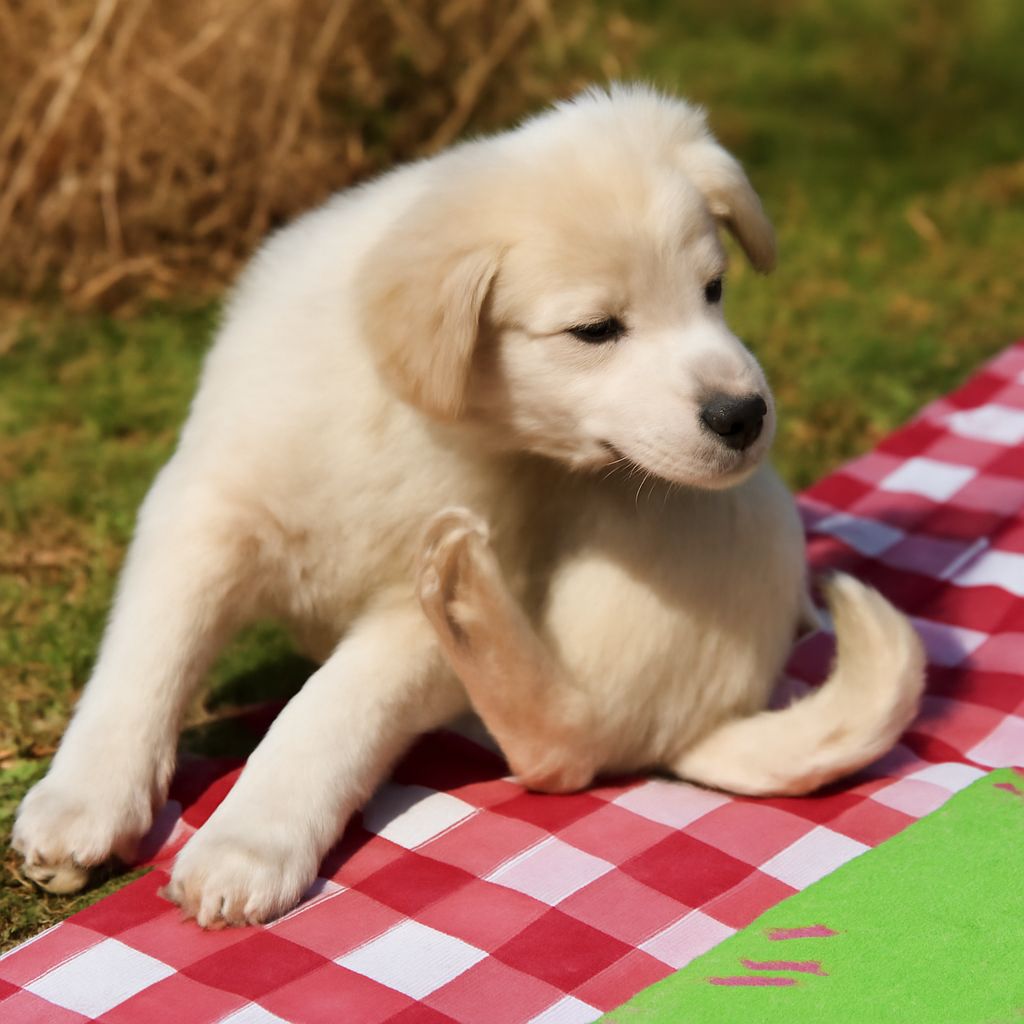
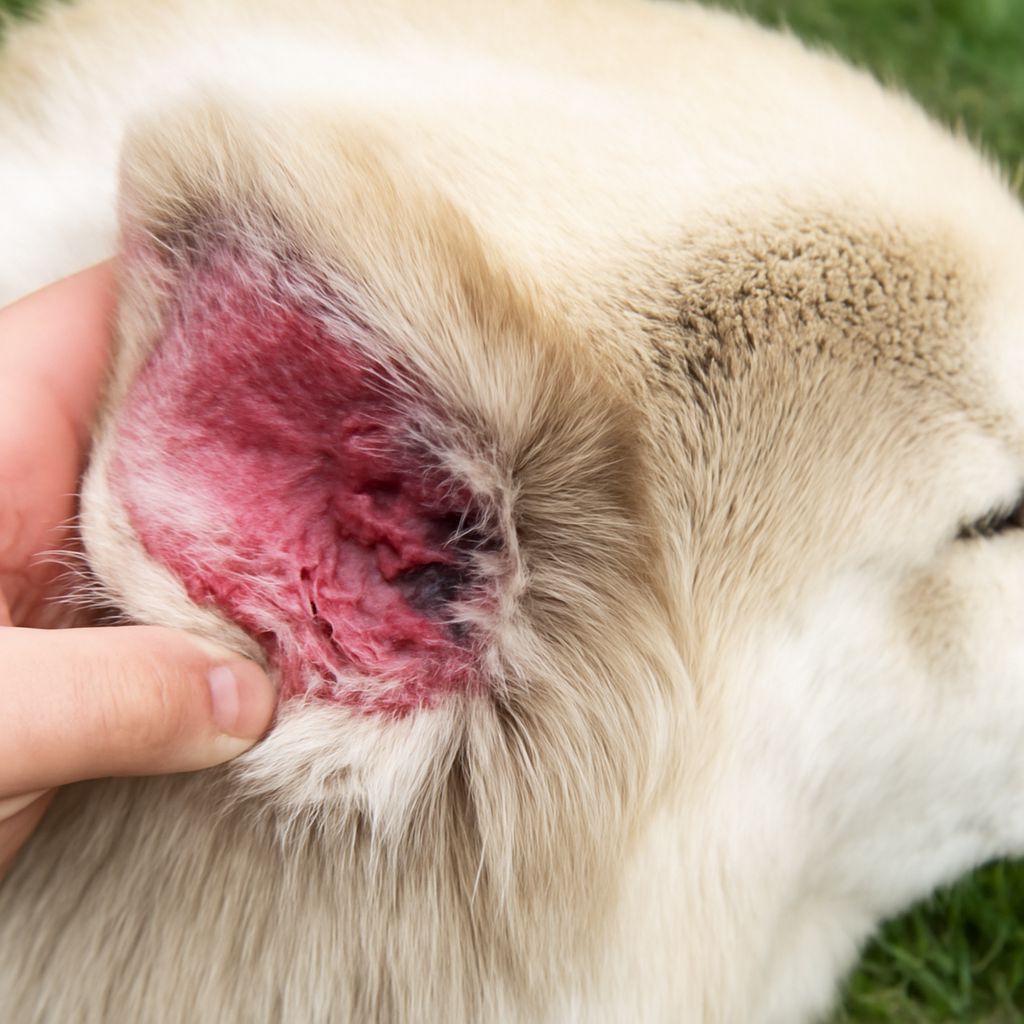
Identifying yeast infections on dog paws involves observing specific symptoms. Redness, swelling, and an unpleasant odor are common signs. Dogs may also excessively lick or bite their paws, leading to further irritation. If you notice these symptoms, it is crucial to take action to alleviate your dog’s discomfort.
Distinguishing from Other Conditions
It is important to distinguish yeast infections from other paw conditions, such as bacterial infections or injuries. Yeast infections typically present as a greasy texture on the skin and a distinctive odor, unlike bacterial infections, which may cause pus. Consulting a veterinarian can help confirm the diagnosis and rule out other potential issues.
How Do You Treat Dog Yeast Infection Paws?
Home Remedies
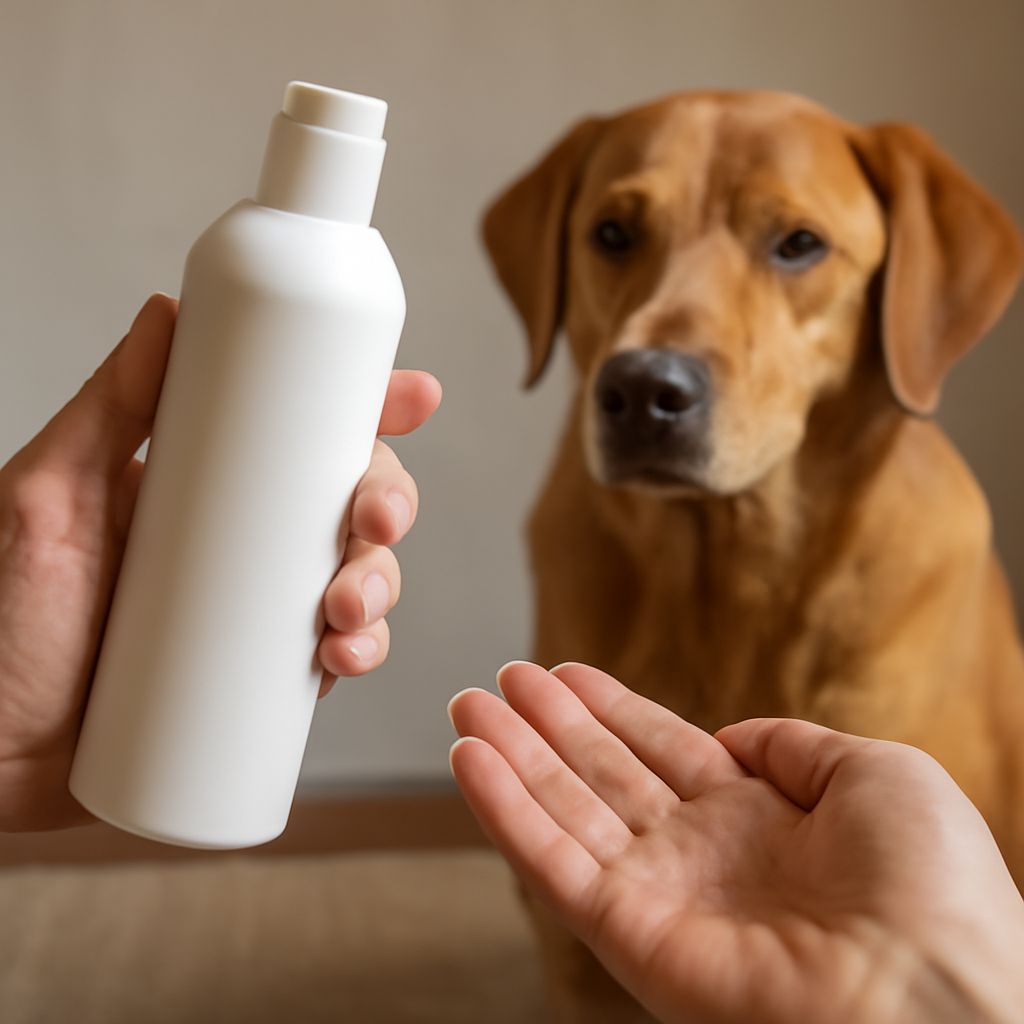
For mild cases, home remedies can be effective in treating yeast infection on dog paws. Regularly washing the paws with a gentle, anti-fungal shampoo can help reduce yeast growth. Apple cider vinegar is another natural remedy that may restore the natural pH balance of the skin, inhibiting yeast overgrowth.
Veterinary Treatments
In more severe cases, professional veterinary intervention is necessary. A veterinarian may prescribe antifungal medications or topical treatments to combat the infection. They may also recommend dietary changes to support the dog’s immune system and reduce the likelihood of recurrent infections.
How to Prevent Yeast Infection on Dog Paws?
Hygiene Practices
Maintaining proper hygiene is essential in preventing yeast infections in dog paws. Regularly cleaning and drying your dog’s paws, especially after walks, can help remove potential irritants and moisture that contribute to yeast growth.
Dietary Considerations
Diet also plays a significant role in preventing yeast infections. Providing a balanced diet rich in essential nutrients can strengthen a dog’s immune system, reducing the chances of infection. Omega-3 fatty acids and probiotics can be beneficial supplements to include in their diet.
Key takeaways: Yeast infections in dog paws are caused by various factors, including environmental conditions and underlying health issues. Identifying and treating symptoms promptly can alleviate discomfort. Prevention involves consistent hygiene and a balanced diet. For complex cases, consult a licensed veterinarian.