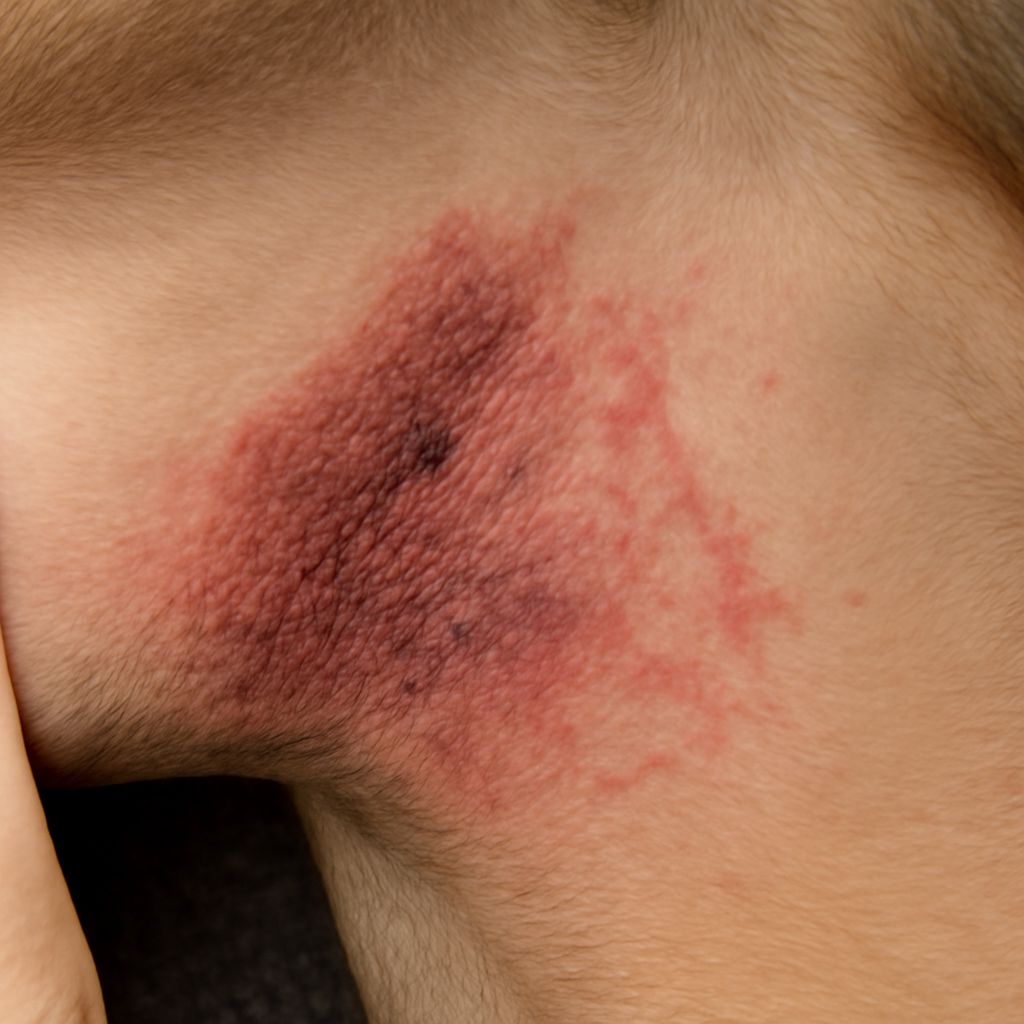
It’s a common belief that all dogs are naturally resilient to itchiness and irritation. However, this is a myth. Many dogs experience discomfort due to skin allergies, which can significantly impact their quality of life. Despite the prevalence of these issues, there’s a misconception that there’s little that can be done to alleviate a dog with skin allergies. In truth, a variety of effective dog skin allergies treatment options are available, offering relief and improving the well-being of your pet. Understanding the underlying causes and solutions can make a world of difference.
Another myth suggests that dog skin allergies are solely a result of external factors like pollen or dust. While these can be contributors, dog allergies skin issues often stem from a more complex interplay of genetics, environment, and diet. This article will explore the causes, symptoms, and treatment options, providing a comprehensive guide to managing dog skin allergies effectively.
What Are Dog Skin Allergies?
Dog skin allergies are reactions of the immune system to particular substances, known as allergens. These substances can be as varied as food ingredients, pollen, or even flea saliva. When a dog’s immune system recognizes these as threats, it triggers a response that manifests as skin irritation. The severity of dog skin allergies can vary, affecting only small areas or causing widespread discomfort.
Allergic reactions are one of the most common skin issues in dogs, second only to flea infestations. Understanding what causes these reactions is crucial for effective dog skin allergy treatment and prevention. Identifying allergens can be challenging but is a necessary step toward relief.
Identifying Symptoms of Dog with Skin Allergies
Recognizing the symptoms of a dog with skin allergies is essential for timely intervention. Common signs include persistent itching, redness, and inflamed skin. Dogs might also exhibit excessive licking or chewing of affected areas, leading to secondary infections.
In some cases, dogs can develop hot spots, which are painful, localized areas of inflammation and infection. These require immediate attention and potentially more intensive treatment. Observing these symptoms early can help in managing the condition before it exacerbates.
Effective Dog Skin Allergies Treatment Options
When it comes to treating dog skin allergies, there are several options available. Antihistamines can provide relief by reducing the body’s reaction to allergens. Additionally, corticosteroids may be prescribed by vets for more severe cases, reducing inflammation and itchiness.
Topical treatments, such as medicated shampoos, can also be beneficial. These products help soothe irritated skin and prevent further scratching. It is essential to follow the guidance of a veterinarian when selecting the appropriate treatment, as some conditions require professional intervention.
A hypoallergenic diet could also be a game-changer. Food allergies are a prevalent cause of skin issues, and switching to a diet with limited ingredients can eliminate potential allergens. Consulting with a veterinarian or a pet nutrition specialist is recommended for personalized advice.
Preventing Future Dog Allergies Skin Problems
Preventative measures play a significant role in managing skin allergies in dogs. Regular grooming is vital, as it helps remove allergens like pollen and dust from your dog’s coat. Consistent flea control is another critical aspect, as flea bites are a common trigger for allergic reactions.
Choosing the right diet can also prevent future issues. Ensuring your dog receives a balanced diet tailored to their needs helps maintain healthy skin. When considering dietary changes, professional guidance from a veterinarian can ensure nutritional adequacy.
Lastly, maintaining a clean living environment is crucial. Regular cleaning can minimize exposure to potential allergens, providing a more comfortable habitat for your dog. By adopting these strategies, pet owners can significantly reduce the risk of future skin allergy flare-ups, ensuring a healthier, happier life for their furry friends.