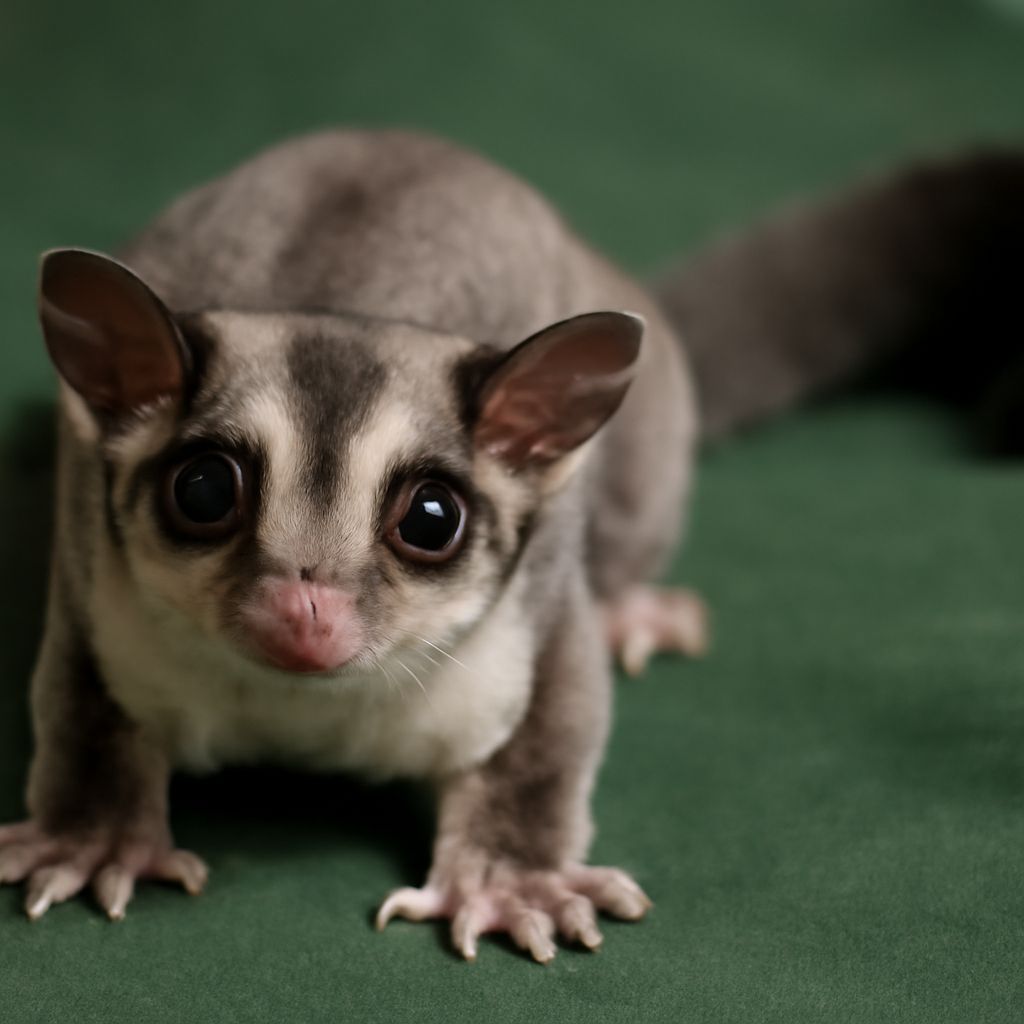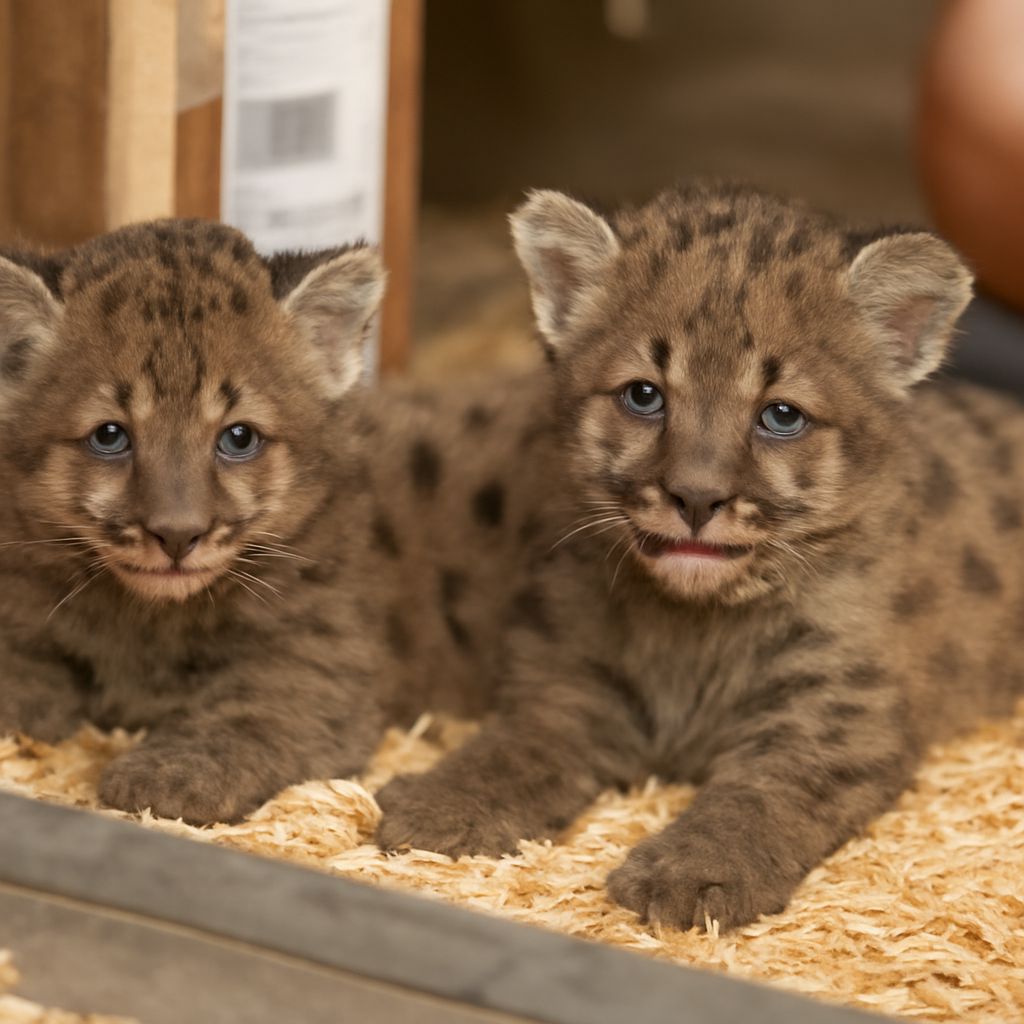
Many animal enthusiasts believe that only large creatures, like dogs or cats, require detailed understanding and care. However, this assumption overlooks smaller companions, such as pocket pets, which have their own unique needs and appeal. The term “pocket pet” often invokes images of tiny animals that fit effortlessly into the palm of your hand, but understanding their nature and requirements is crucial for potential owners.
When discussing the world of pocket pets, there’s often confusion about what truly defines these diminutive companions. While some people might assume any small animal fits the category, not every petite pet qualifies as a pocket pet. In this guide, we will explore the characteristics of what is a pocket pet, investigate popular pocket pets for sale, delve into their care needs, and differentiate them from larger animals such as pet cougars.
What is a Pocket Pet?
Pocket pets are typically small mammals that are kept as household companions. These creatures are characterized by their compact size, gentle demeanor, and ease of handling. The group includes species like hamsters, guinea pigs, mice, and occasionally reptiles or amphibians. They are called pocket pets because they can often fit in a shirt pocket or the palm of your hand, though this is not a strict requirement.
While the exact definition may vary, pocket pets generally require less space and have different care needs compared to larger animals. They can be ideal for individuals with limited living space or those who prefer a pet that doesn’t demand extensive outdoor activities. Potential owners should always research specific breeds to understand their distinct characteristics and how they fit the pocket pet category.
Popular Pocket Pets for Sale
When exploring pocket pets for sale, prospective owners will discover numerous options available at pet stores and from breeders. Some of the most popular choices include hamsters, known for their adorable appearance and nocturnal habits, and guinea pigs, which are celebrated for their social nature and array of vocalizations.
Other options include gerbils, which are active and curious, making them entertaining companions, and rats, which are intelligent and can be trained to perform tricks. Each of these animals offers unique traits that cater to different owner preferences. Reputable sources for acquiring pocket pets should always be consulted to ensure ethical breeding and healthy animals.
How to Care for Your Pocket Pet
Caring for pocket pets involves meeting their specific dietary, housing, and social needs. A balanced diet rich in essential nutrients is crucial for their health and well-being. Most pocket pets require a mix of commercial food, fresh fruits, and vegetables. It’s important to tailor the diet to the specific species to ensure proper nutrition.
Housing is another critical aspect of their care. Pocket pets need secure enclosures that provide ample space, enrichment, and safety. Regular cleaning of their living environment is essential to prevent disease. Additionally, interaction and socialization are vital for many pocket pets. Regular handling and playtime can help them thrive and build a bond with their owner.
For complex needs, such as behavioral issues or health concerns, consulting with a licensed veterinarian or animal behaviorist can provide professional guidance and ensure your pet’s well-being.
Why Pet Cougars are Different from Pocket Pets
Pet cougars, though fascinating, are vastly different from pocket pets in terms of care and habitat requirements. Unlike pocket pets, which are small and typically require minimal space, cougars need expansive areas to roam and express their natural behaviors. They have complex dietary needs that cannot be met with commercial pet food alone.
The care of a pet cougar involves understanding their status as a wild animal, requiring specific legal permits and often specialized facilities. Their strength and predatory nature pose significant challenges for even experienced animal handlers. While pocket pets offer companionship that fits in smaller spaces, pet cougars demand a level of commitment and expertise that far exceeds that of smaller household pets.
Ultimately, while pocket pets and cougars may both capture the interest of animal lovers, their care and management diverge significantly, requiring potential owners to consider their resources, experience, and the legal implications of keeping such animals as pets.