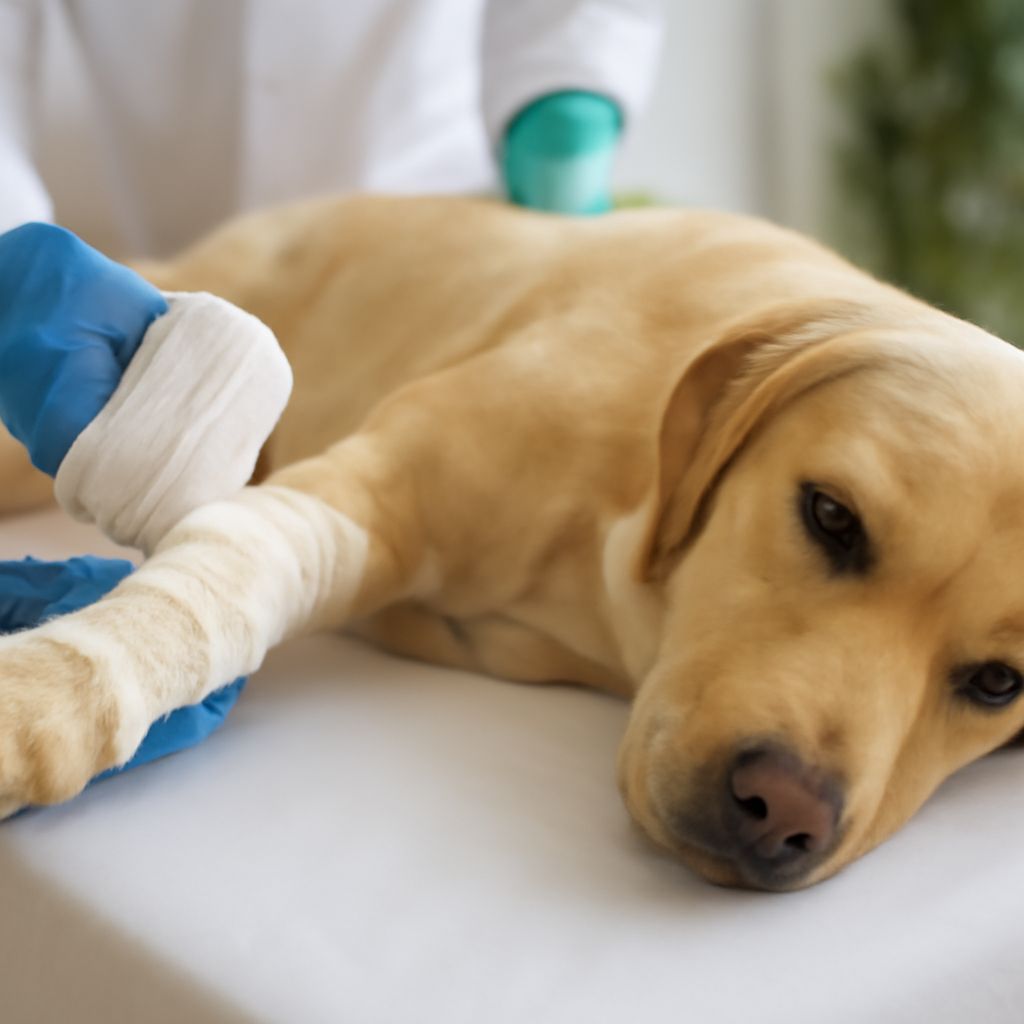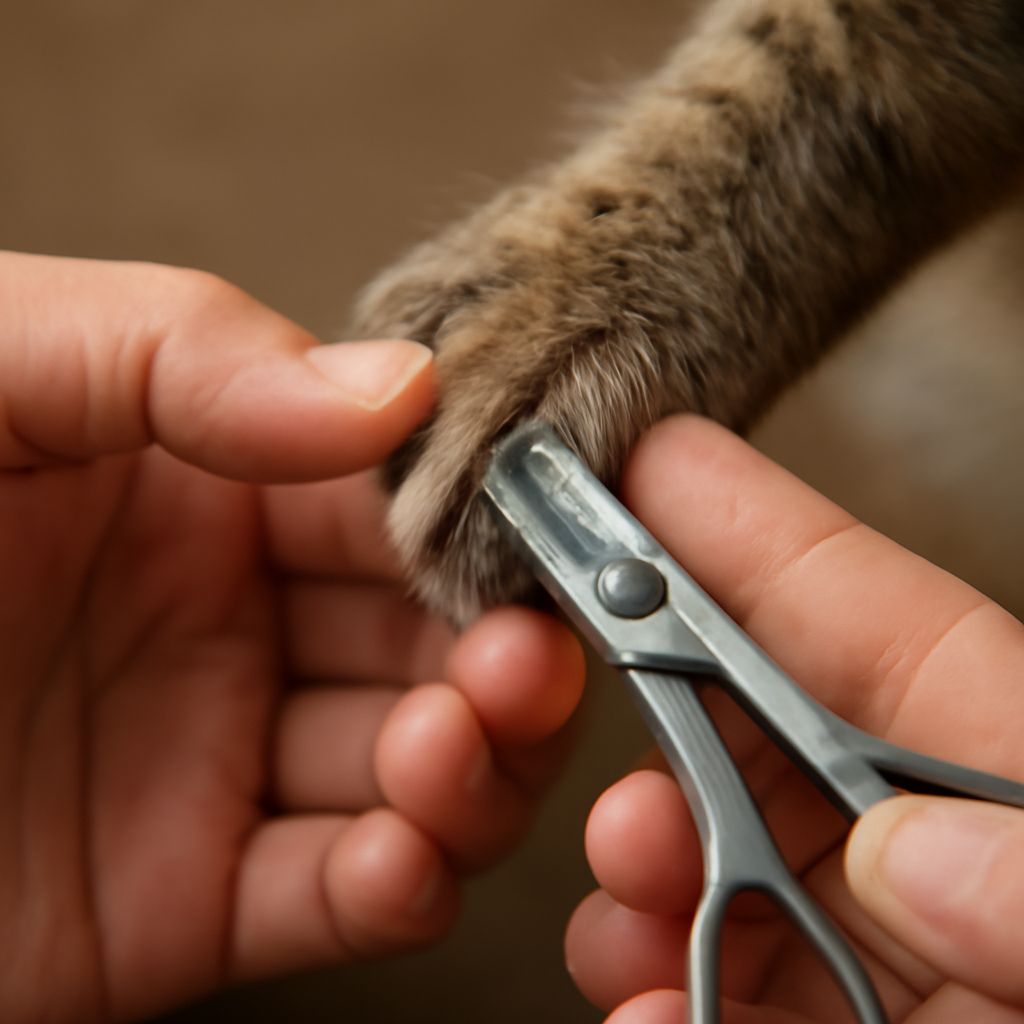
Many dog owners believe that trimming dog nails is a simple task that can be done without much training or specific tools. However, this commonplace activity can lead to injury if not approached with the right knowledge and equipment. Understanding the best way to trim dog nails is critical to preventing discomfort and potential health issues for your pet. This guide will debunk common myths and provide a detailed approach to ensure that you can clip dog nails safely and effectively.
While some assume that professional grooming is the only safe route, learning how to trim dog nails yourself, with the correct procedure and tools, can be a rewarding and cost-effective alternative. Let’s explore the essential elements of nail trimming and address the pervasive myths surrounding this important aspect of dog care.
Why Trimming Dog Nails is Important
Keeping your dog’s nails properly trimmed is crucial for their overall well-being. Overgrown nails can cause a range of problems, including pain, infections, and even structural issues in their paws and legs. Long nails may lead to altered gait, which can result in joint stress and long-term mobility problems. Trimming dog nails regularly helps in maintaining the natural alignment of the feet and ensures your dog stays comfortable and active.
Tools You Need to Clip Dog Nails
Having the right tools is crucial for achieving the best results when trimming your dog’s nails. Quality clippers are essential; look for ones that are specifically designed for dogs, as they are equipped to handle the thickness and texture of canine nails. Additionally, a nail file can be used to smooth out rough edges after clipping. A styptic powder or pencil is recommended to stop any bleeding quickly if you accidentally clip the nail too short. Ensuring you have these tools at hand can make the process much smoother and safer.
Step-by-Step Guide on How to Trim Dog Nails
Before starting, ensure that both you and your dog are calm. Begin by gently holding your dog’s paw and identifying the quick, which is the sensitive area inside the nail that you should avoid cutting. With the nail clippers, make a small cut at a 45-degree angle. It’s better to trim a little at a time rather than risk cutting the quick. After clipping, use the nail file to smooth any sharp edges. Always reward your dog with praise or a treat to create a positive association with the nail trimming process.
Tips for Finding the Best Way to Trim Dog Nails
Every dog is different, and finding the best way to trim dog nails may involve some trial and error. Consider your dog’s behavior and comfort level. Some dogs may prefer standing while others might be more comfortable lying down. It’s also advisable to trim nails after a play session or a bath when nails are softer and your pet is more relaxed. If your dog shows signs of distress or if the nails are severely overgrown, consulting a professional groomer or veterinarian might be necessary. Their expertise can guide you in complex situations, ensuring your dog’s health and comfort.