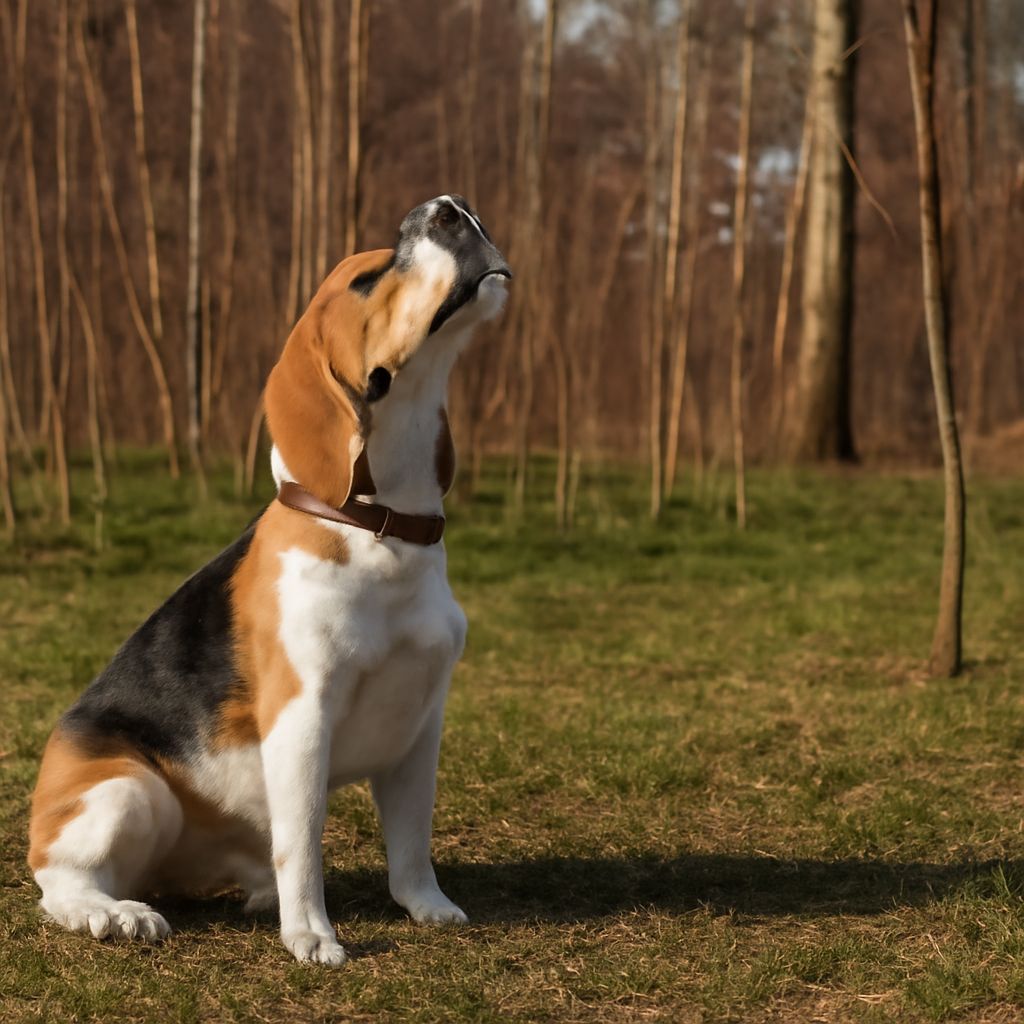
Dog howling often mystifies pet owners, leaving them to ponder the reasons behind this vocal expression. While some might view it as an annoying habit, howling is a natural behavior deeply rooted in a dog’s ancestry. The notion that dogs howl solely out of boredom isn’t entirely accurate. In reality, howling serves a variety of purposes, from communication to expressing emotions. Recognizing why dogs howl can help demystify this behavior and provide insight into what your canine companion is attempting to convey.
Ever wondered why your dog howls when you do? If you’ve found your dog joining in when you sing or howl, it’s not just a quirk. Understanding what it means when a dog howls with you can strengthen the bond between you and your furry friend. This article will explore why dogs howl, what it signifies when they howl along with you, and how to manage excessive dog howling.
Why Do Dogs Howl?
Howling is an innate behavior in dogs, inherited from their wolf ancestors. Traditionally, wolves howl to communicate with their pack, marking territory, or signaling distress. Similarly, dogs may howl to seek attention or to alert their owners to potential intruders or unusual circumstances. A dog’s howl can also be a response to high-pitched sounds, such as sirens or certain musical instruments, due to their acute hearing abilities.
Furthermore, dogs may howl due to loneliness or separation anxiety. When left alone, some dogs express their unease through howling, seeking companionship or relief from the isolation. Others may howl as a way to express excitement or to attract attention. In contexts where a dog feels neglected, howling can be a method to capture the owner’s interest, prompting interaction and engagement.
What Does It Mean When a Dog Howls with You?
When your dog howls with you, this behavior is often a sign of social bonding and communication. Dogs are pack animals, and howling along with their human companions can mimic the group howling of a wolf pack. This act of synchronized howling can indicate a desire to join in on the activity or a form of shared expression.
Additionally, when dogs howl along with musical instruments or singing, it may be an attempt to harmonize with the sounds they find intriguing or enjoy. This behavior suggests that the dog is participating in what it perceives as a group activity, reinforcing its connection to the owner.
It’s also possible that howling serves as a form of emotional expression. When a dog howls in tandem with its owner, it might be conveying a sense of joy or excitement, mirroring the owner’s emotional state and strengthening their bond.
How to Manage Excessive Dog Howling
While occasional howling is normal, excessive howling can be a concern for pet owners. If your dog’s howling becomes disruptive, it’s essential to first identify potential triggers. Understanding the root cause of the behavior, such as anxiety, boredom, or a response to external stimuli, can guide the development of an effective management strategy.
For dogs that howl due to anxiety, providing comfort and companionship can mitigate the behavior. Engaging them with interactive toys or providing a safe space can alleviate their distress during your absence. In cases where boredom is the culprit, increasing physical activity and mental stimulation can help. Taking your dog for regular walks or engaging in play sessions can channel their energy positively.
If you struggle to manage your dog’s howling, consulting a professional dog trainer or behaviorist is advisable. These experts can offer personalized strategies and interventions to address excessive howling effectively.
Key takeaways: Understanding the reasons behind dog howling can enhance your relationship with your pet. Recognize howling as a form of communication and expression. If your dog’s howling is excessive, identify the triggers and seek professional guidance as needed.