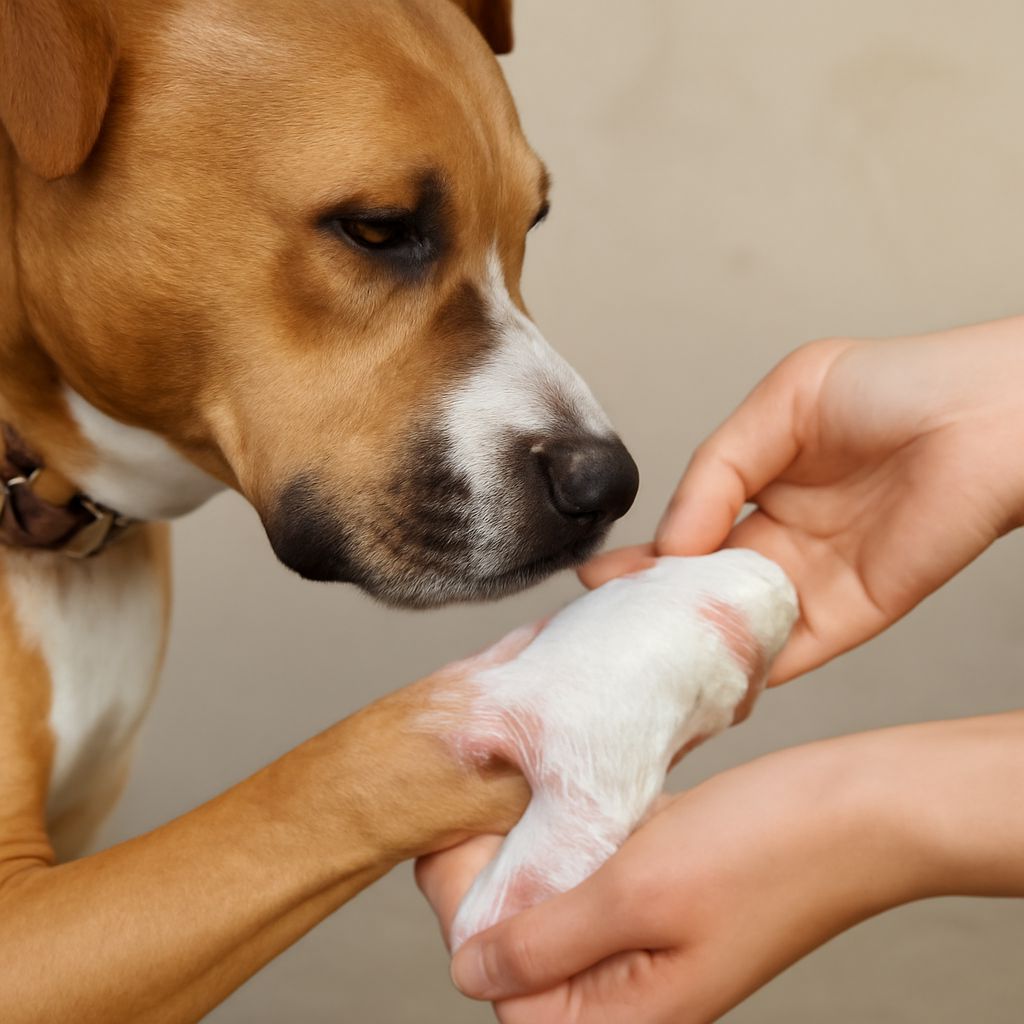
There’s a common misconception that when a dog eats a bee, it’s just a quirky mishap with no real consequences. However, dogs that consume bees can face significant health risks beyond a mere sting. It’s critical for pet owners to understand the potential dangers and respond appropriately. While the idea of a dog eating a bee might sound humorous, much like when a dog ate Oreos, the reality can be far from amusing.
In this article, we’ll delve into what actually happens when your dog consumes a bee, the steps you should take immediately afterward, and how to prevent such encounters in the future. By understanding these aspects, you can better safeguard your furry friend’s health and well-being.
What Happens When a Dog Eats a Bee?
When a dog ingests a bee, the primary concern is the possibility of a bee sting in the mouth or throat, which can cause swelling and discomfort. In some cases, a dog may also experience an allergic reaction, which could range from mild irritation to severe anaphylaxis. Symptoms to watch for include swelling of the face or neck, excessive drooling, difficulty breathing, and hives.
While some dogs might not exhibit any adverse reactions after eating a bee, it is crucial to monitor them closely for the first few hours. If your dog exhibits unusual behavior or symptoms like vomiting or diarrhea, it may indicate a more serious issue requiring veterinary attention.
Immediate Actions if Your Dog Ate a Bee
If you suspect that your dog has eaten a bee, quick action is vital. Start by examining your dog’s mouth for any signs of a sting or swelling. If you notice a stinger, gently remove it using a flat object like a credit card. Avoid using tweezers, as they can squeeze more venom into the wound.
Monitor your dog closely for any signs of an allergic reaction. If your dog shows symptoms such as severe swelling, difficulty breathing, or lethargy, seek immediate veterinary care. Treatment may include antihistamines or other medications to manage the reaction.
In addition to these steps, ensure your dog remains calm and rested while you observe any changes in their condition. Keeping them hydrated can also help alleviate minor symptoms.
Preventing Future Incidents
Preventing your dog from eating bees involves a combination of training and environmental control. Start by supervising outdoor playtime and discouraging your dog from chasing insects. Training your dog to respond to commands like “leave it” can deter them from investigating bees or other potentially harmful creatures.
Additionally, consider reducing the presence of bees in your yard. This might include removing flowers that attract bees or sealing off potential nesting sites. Consult with a professional if you need advice on safe methods for managing bee populations near your home.
Lastly, educate yourself on other potential hazards, such as when your dog ate Oreos, to create a safer environment overall. Understanding common toxins and hazards in your home and yard can significantly improve your pet’s safety.
In conclusion, while it may seem trivial, the event of a dog consuming a bee requires attentive care and preventive measures. By being proactive and informed, you can protect your dog from the potential dangers associated with such incidents.