Many pet owners face the dilemma of a constipated dog, yet misconceptions and myths often cloud the path to effective solutions. A common belief is that this issue is exclusively linked to diet, but various factors contribute to constipation in dogs. Understanding the diverse causes and knowing why your dog hasn’t pooped can empower you to provide relief without unnecessary panic or ineffective remedies. Today, we’ll debunk these myths and offer a comprehensive guide for when your dog hasn’t pooped in four days.
It’s critical to dispel the notion that constipation in dogs is always a sign of a severe health problem. Not every case is dire, and often, there are simple steps you can take. If your dog is constipated, exploring common causes and solutions can alleviate discomfort and anxiety. Let’s dive into the facts about canine constipation, what you can do to help, and when professional help is necessary.
Understanding Canine Constipation
Canine constipation occurs when dogs have difficulty passing stools or experience infrequent bowel movements. Various factors can lead to this condition, including insufficient fiber intake, dehydration, or a sedentary lifestyle. While diet plays a significant role, other elements, such as stress or underlying medical conditions, can contribute to your dog being constipated.
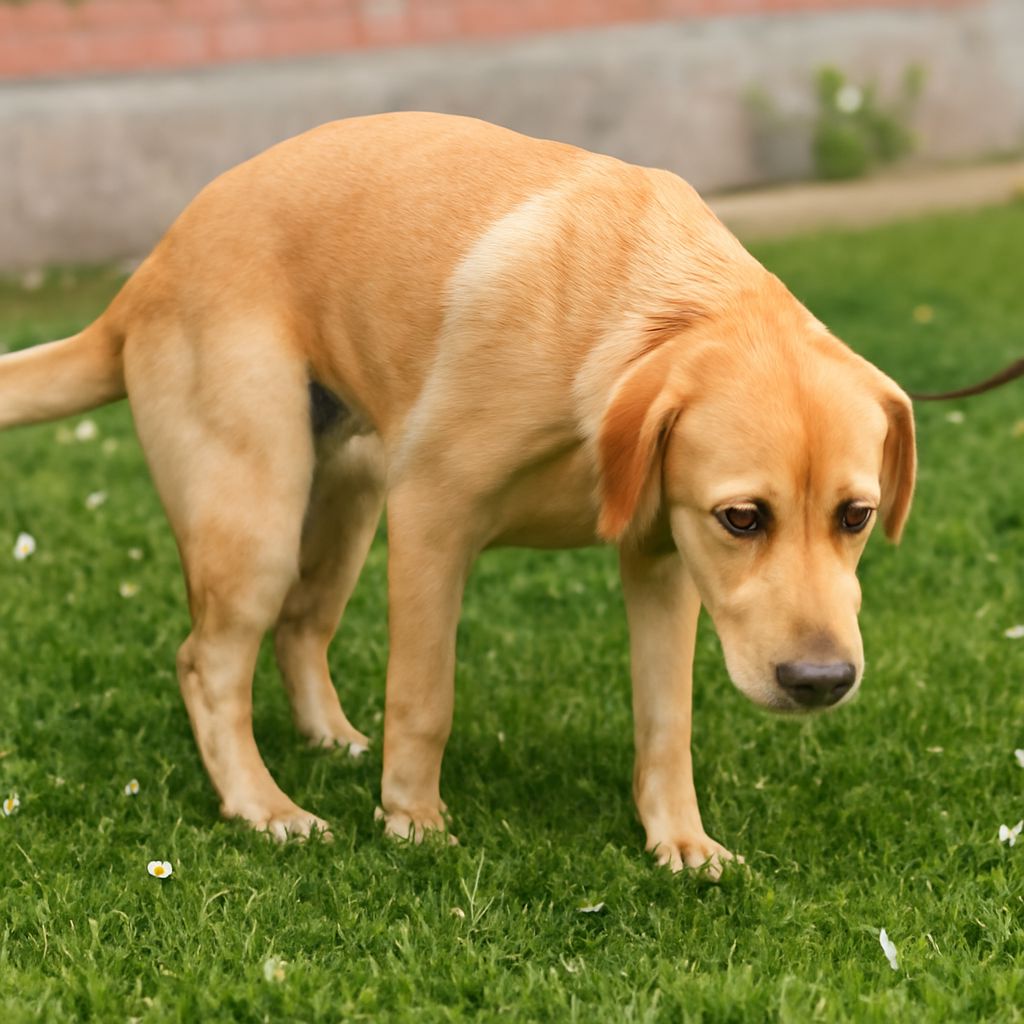
It’s crucial to recognize the symptoms of constipation early. These may include straining, whining during defecation, or producing small, hard stools. Identifying these signs promptly helps in managing your dog’s health effectively and may prevent more severe complications down the road.
Why My Dog Hasn’t Pooped
Several reasons could explain why your dog hasn’t pooped recently. Dietary changes are a frequent cause; sudden alterations can disrupt their digestive system. A lack of exercise can also contribute to constipation, as physical activity stimulates bowel movements. Furthermore, dehydration is a common culprit, leading to harder stools that are difficult to pass.
Beyond lifestyle factors, medical conditions such as intestinal obstructions or gland issues might hinder bowel movements. It’s essential to consider all potential causes before jumping to conclusions or opting for drastic interventions.
What Can I Do to Help My Constipated Dog?
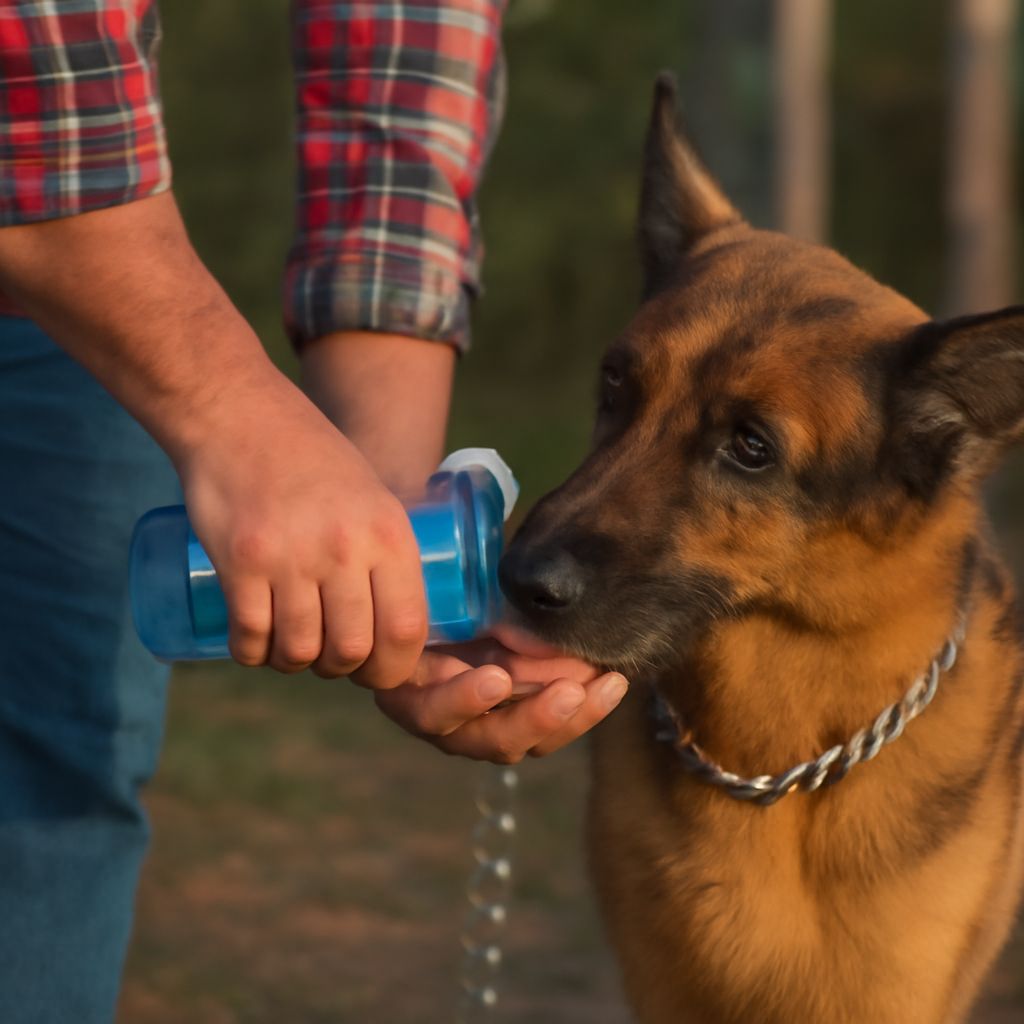
To alleviate constipation, start with simple dietary adjustments. Increasing fiber intake through dog-safe vegetables can promote regular bowel movements. Ensure your dog stays hydrated by providing fresh water throughout the day. Exercise is another crucial factor; regular walks or play sessions can stimulate their digestive system.
In addition to lifestyle changes, certain over-the-counter remedies may be useful. However, consult a vet before administering any medication to prevent adverse reactions. For severe or persistent cases, professional guidance is advised to tailor a plan suitable for your dog’s needs.
When to Contact a Veterinarian
If your dog hasn’t pooped for an extended period despite your efforts, it’s time to seek veterinary assistance. Persistent constipation can indicate a serious health issue requiring professional diagnosis. Symptoms such as vomiting, abdominal pain, or lethargy are red flags that necessitate immediate attention.
A licensed veterinarian can assess the situation, perform necessary tests, and recommend appropriate treatment options. Timely intervention can prevent complications and ensure your dog receives the best care possible.
Key takeaways: Constipation in dogs can arise from various factors, and understanding the causes enables effective management. Simple lifestyle changes can often provide relief, but professional consultation is necessary if symptoms persist. Prioritize your dog’s health by being proactive and seeking help when needed.