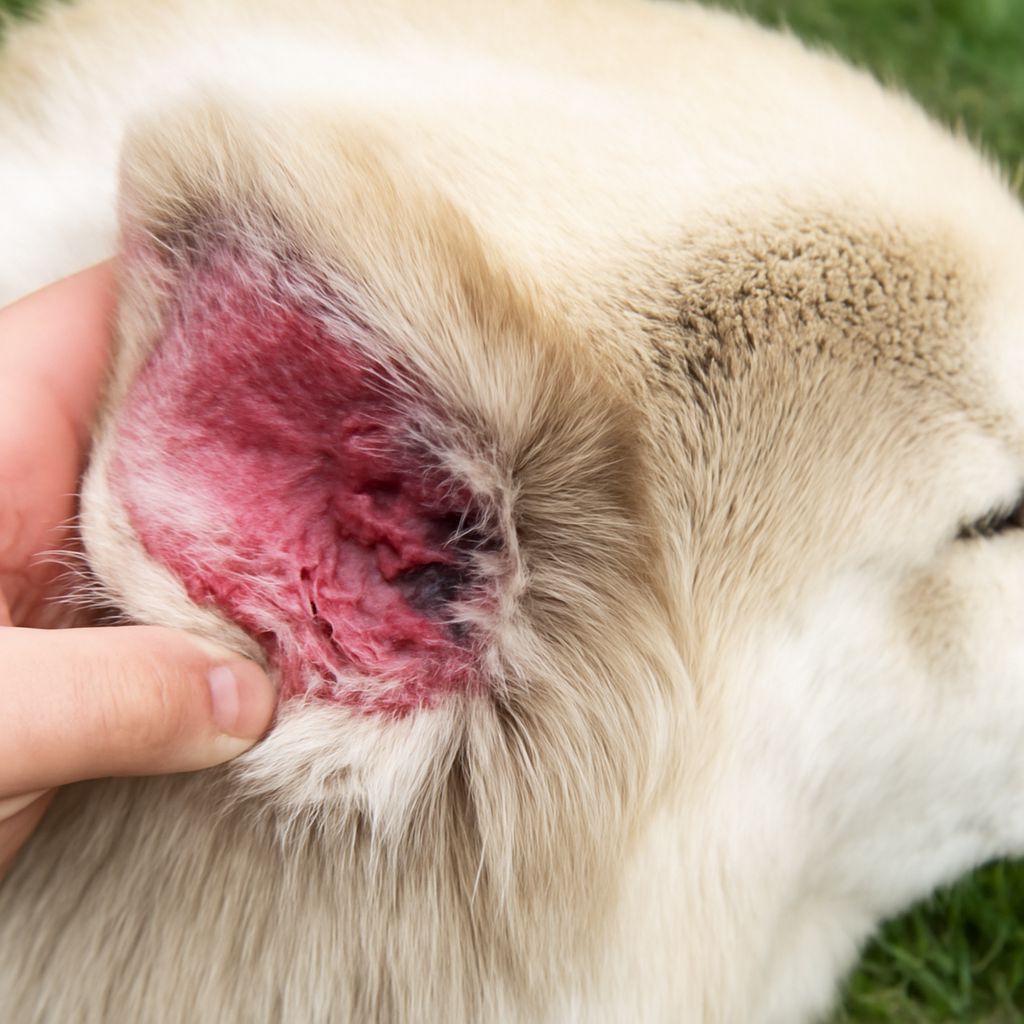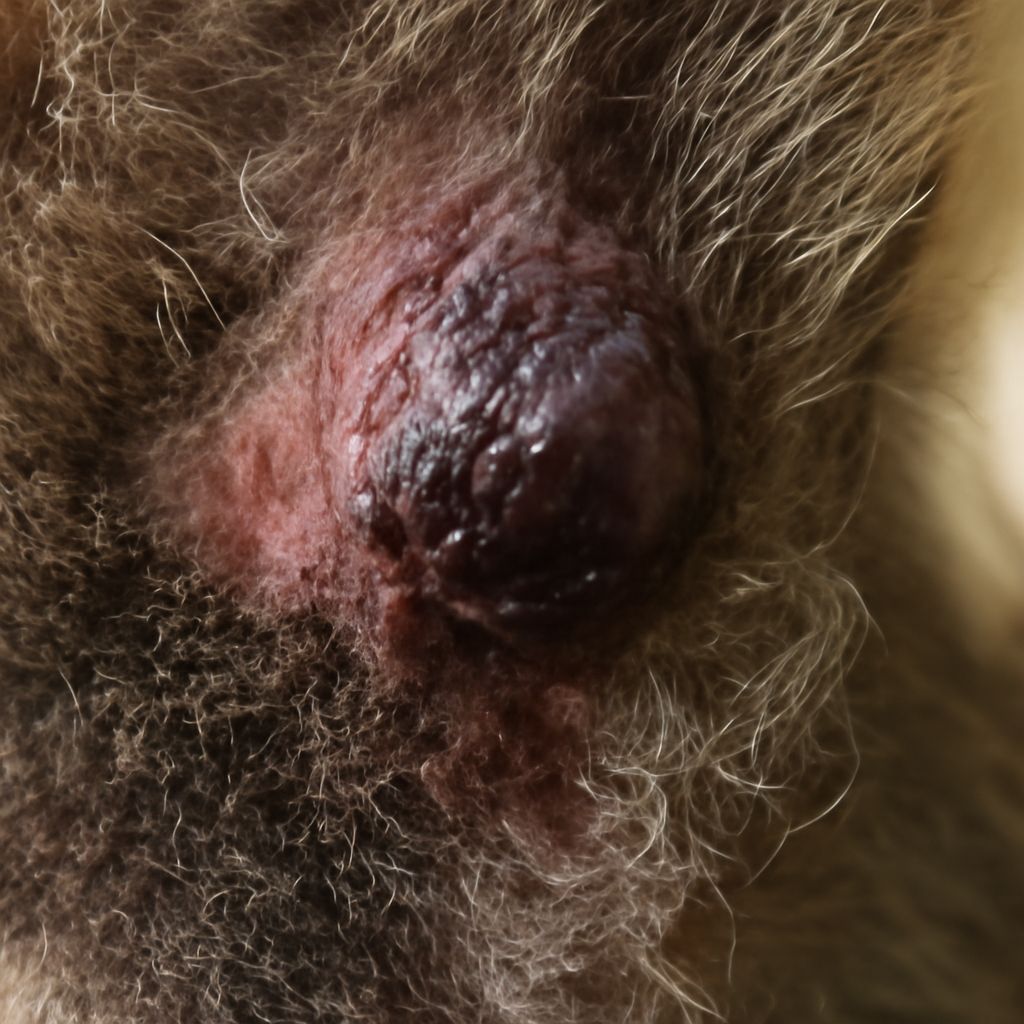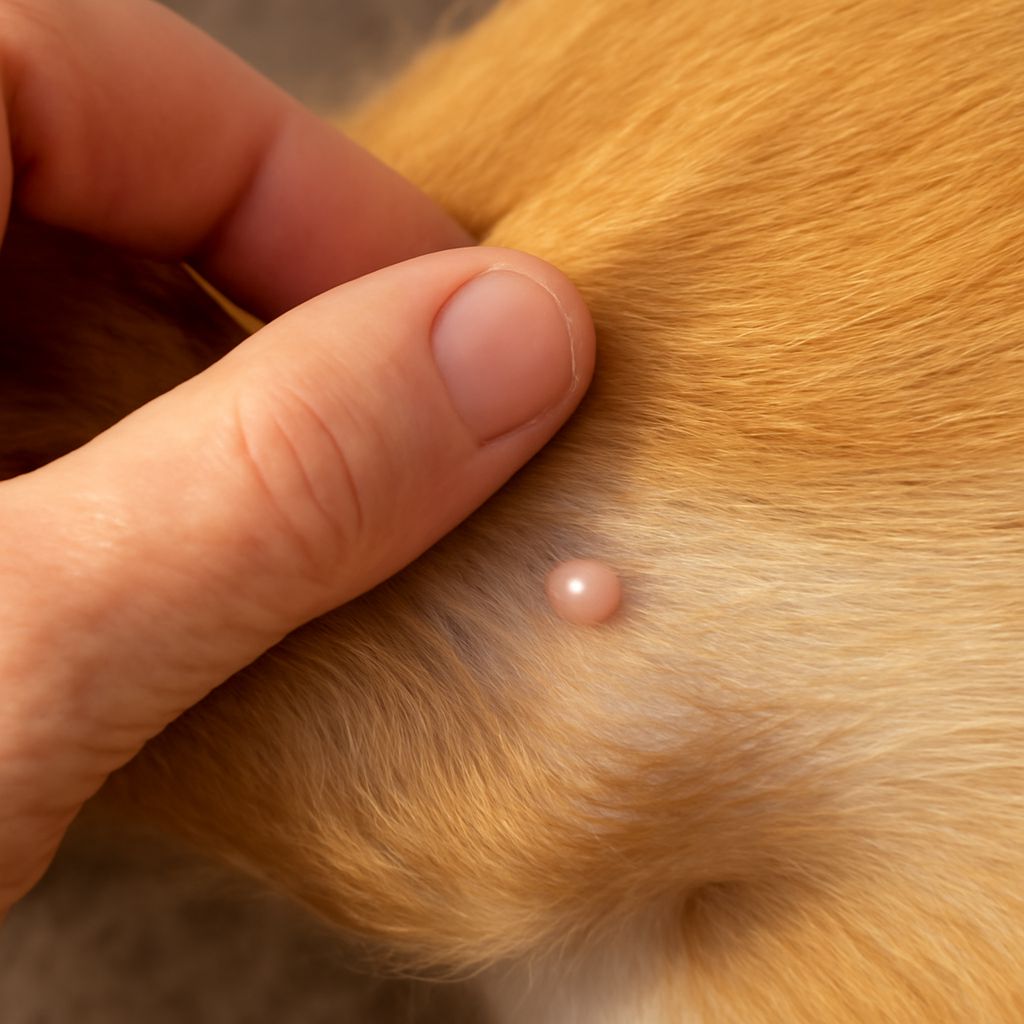
Many believe that all rashes found on a dog’s belly and inner thighs are merely skin irritations or allergies. However, these symptoms can sometimes indicate more serious underlying issues. Understanding the nature of a dog heat rash is crucial, as it can lead to the development of a raised scab on dog skin if not treated properly. Moreover, identifying various skin conditions can prevent the worsening of dog sores on back and other areas, ensuring your pet stays healthy and comfortable.
Rashes might manifest as red spots on your dog’s skin, hinting at a variety of causes that extend beyond simple heat rash. Recognizing these symptoms early can aid in efficient treatment and prevent severe skin problems. This article delves into the possible reasons behind these skin issues, their identification, and treatment strategies to maintain your dog’s skin health.
What Causes a Rash on My Dog’s Belly and Inner Thighs?
Rashes on a dog’s belly and inner thighs can arise from numerous causes. Common culprits include allergies, whether seasonal, food-related, or contact-based. Environmental factors such as pollen, dust, and mold often lead to such irritations.
Parasites like fleas or mites can also cause significant discomfort, leading to itching and fur loss. Infections, particularly fungal or bacterial, may present as red or inflamed skin. Understanding these factors can help in identifying the root cause of a dog’s rash and addressing it effectively.
How Can I Identify Dog Heat Rash Symptoms?
Heat rashes in dogs typically appear as small, itchy bumps on the skin, often leading to discomfort and scratching. These symptoms are especially prevalent during warmer months, where humidity plays a significant role. The affected areas might also display redness and inflammation.
Aside from visible signs, behavioral changes such as excessive licking or biting at the skin can also indicate a heat rash. Prompt recognition of these symptoms is essential to prevent further complications.
What Do Raised Scabs on Dogs Indicate?
Raised scabs on dogs are often a sign of healing, but they can also indicate ongoing issues. They can result from untreated rashes or infections where scratching has caused open wounds. Scabs may also form due to parasitic infestations leading to incessant itching and skin trauma.
These scabs can appear anywhere on the body, including the back, and need careful monitoring to ensure they don’t result in further infection. Consulting a professional stylist may be necessary for severe cases to avoid improper handling that could aggravate the condition.
Why Does My Dog Have Red Spots on His Belly?
Red spots on a dog’s belly can result from various conditions. Allergic reactions to environmental or food allergens often manifest as red, itchy areas on the skin. Heat rashes might also appear as red spots during hot and humid weather.
Additionally, insect bites or contact with certain chemicals can cause localized redness. Identifying the exact cause requires a thorough examination of the dog’s environment and recent activities.
How to Treat Dog Sores on Back and Other Areas?
Treating dog sores starts with identifying the underlying cause. For heat rashes, keeping the dog cool and providing soothing baths with hypoallergenic shampoos can help. If allergies are the cause, removing the allergen and using medicated creams may be necessary.
For bacterial or fungal infections, appropriate antimicrobial treatments are essential. In cases of parasitic infestations, using prescribed antiparasitic medications can alleviate symptoms and prevent recurrence. Always ensure treatments are dog-safe and consult a veterinarian for severe cases.
When Should I Consult a Veterinarian?
If your dog’s rash does not improve with basic home treatments or you notice signs of severe infection, such as pus or excessive swelling, consult a veterinarian promptly. Persistent or worsening symptoms might indicate a more serious condition requiring professional intervention. Veterinary advice is crucial when dealing with complex skin issues to prevent long-term damage and ensure effective healing.