Many dog owners often face the challenge of deciphering the various health issues their pets encounter. Common misconceptions can lead to confusion, especially when it comes to understanding terms like “dog box transmission.” This phrase may sound technical, but it doesn’t relate to automotive gear systems or other mechanical aspects. Instead, it serves as a metaphor for how different factors influence a dog’s health and injury healing processes. Key areas such as bully dog food, the contents of a hot dog, and issues like dog wart bleeding play crucial roles in your pet’s well-being.
Understanding these aspects is essential for providing the best care and maintaining your dog’s overall health. The right nutritional choices, awareness of potential hazards like processed foods, and vigilance in spotting injuries are paramount. The journey to optimal canine health begins with clarity and informed decisions. Let’s delve into these components to see how they impact your dog’s health and injury management.
What is a Dog Box Transmission in Dog Health?
The term “dog box transmission” can be confusing, as it originally refers to mechanics, not canine health. However, it can be viewed metaphorically to describe how dogs communicate their health status through various signals. Understanding these signals is crucial for identifying potential health issues. Regular veterinary check-ups and observing your dog’s behavior and physical condition are akin to ensuring the ‘transmission’ of health signs is clear and accurate.
It involves recognizing signs of distress or discomfort in dogs, such as limping or excessive licking of a particular body part. These symptoms are part of the intricate ‘transmission system’ of a dog’s health status, alerting us to underlying issues that may need attention. Consulting a veterinarian for a diagnosis ensures you’re addressing the root of the problem effectively.
How Does Bully Dog Food Impact Health?
Bully dog food is specifically formulated to provide essential nutrients that support the growth and maintenance of strong muscles in dogs. It is especially beneficial for breeds requiring higher protein intake to sustain their energy levels and overall health. The balanced nutritional content in these foods is essential for maintaining a healthy weight and supporting the immune system.
Switching to or incorporating bully dog foods in your pet’s diet can have noticeable effects on their vitality and coat condition. However, it’s critical to ensure that the food aligns with your dog’s specific dietary needs, and consulting with a veterinarian can provide guidance tailored to your pet’s requirements. Overreliance on any single food source without professional advice might lead to nutritional imbalances.
What’s in a Hot Dog and How It Affects Dogs?
Hot dogs might seem like a harmless treat, but they pose various risks to canine health. These processed foods contain high levels of sodium, fat, and preservatives that can be harmful to dogs if consumed in large quantities. Even small amounts can lead to digestive upset or contribute to long-term health issues.
It’s vital to recognize that while sharing human food like hot dogs might appear as a bonding moment, it can inadvertently lead to health complications. Instead, consider dog-friendly treats that are specifically designed to meet their nutritional needs while avoiding harmful additives. If your dog consumes a hot dog accidentally, monitor them for any adverse reactions and seek veterinary advice if necessary.
Addressing Dog Wart Bleeding and Other Injuries
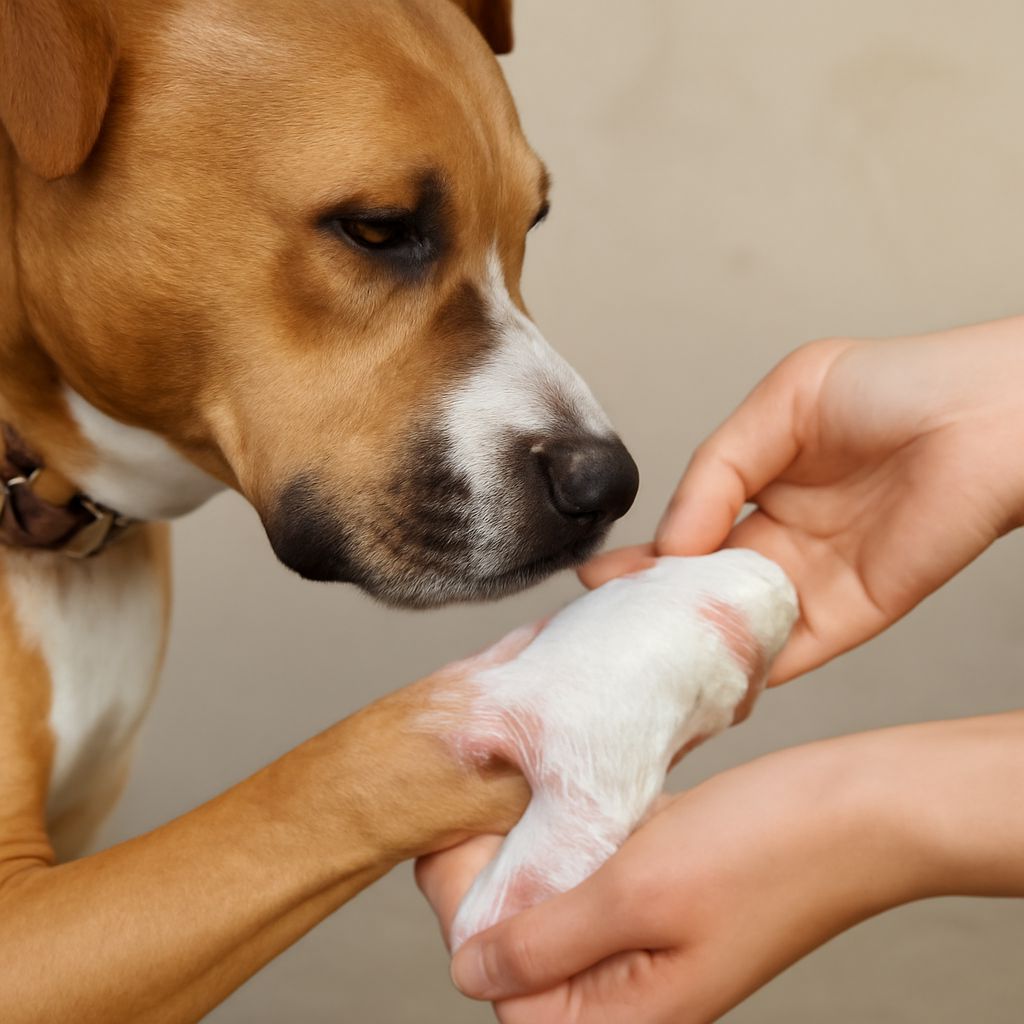
Dog wart bleeding can be alarming and may indicate an underlying health concern. Warts themselves are typically benign, but if they start bleeding or show signs of infection, they require attention. Keeping the affected area clean and consulting a licensed veterinarian is advisable to prevent complications.
Beyond warts, dogs are susceptible to various injuries ranging from cuts and scrapes to more severe issues like fractures. Immediate first aid involves cleaning wounds and applying dressings to prevent infection. For serious injuries, seek veterinary care promptly to ensure proper healing and pain management for your pet.
Ultimately, a proactive approach to spotting health issues and injuries, coupled with professional guidance, ensures your dog leads a healthy and happy life. Regular check-ups and a balanced diet are key components in sustaining your dog’s well-being.