Many dog owners worry about their pet’s hydration levels, often pondering how to make a dog drink water effectively. It’s a common misconception that dogs instinctively know how to hydrate themselves adequately. In reality, a variety of factors can lead to a dog not drinking enough water, leaving pet parents concerned and eager to find solutions to encourage their furry friends to drink more.
If you’re one of those owners whose dog doesn’t drink water as much as they should, you’re not alone. Dehydration can significantly affect a dog’s health, leading to issues such as urinary tract infections and kidney problems. Understanding why your dog might not be drinking enough is crucial to address the situation before it escalates to a point where professional intervention is necessary.
Why is My Dog Not Drinking Enough Water?
Several reasons could contribute to insufficient water intake in dogs. Environmental changes, such as moving to a new home or changes in routine, can cause stress, leading to a decreased desire to drink. Illnesses, particularly those affecting the mouth or throat, can also make drinking uncomfortable. In some instances, the water’s quality or the bowl’s cleanliness can deter a dog from drinking.
Behavioral issues might also be at play. Some dogs are less inclined to drink water due to anxiety or unfamiliarity with new water sources. It’s essential to observe any accompanying signs of illness, such as lethargy, loss of appetite, or vomiting, which might indicate the need for a veterinary consultation.
How to Make a Dog Drink Water: Simple Techniques
Encouraging your dog to drink more water can often be achieved through a few straightforward strategies. One approach is to enhance the taste of water by adding low-sodium chicken broth or a splash of beef broth, which can make it more enticing. Changing the water bowl to a different style or material that your dog prefers might also help.
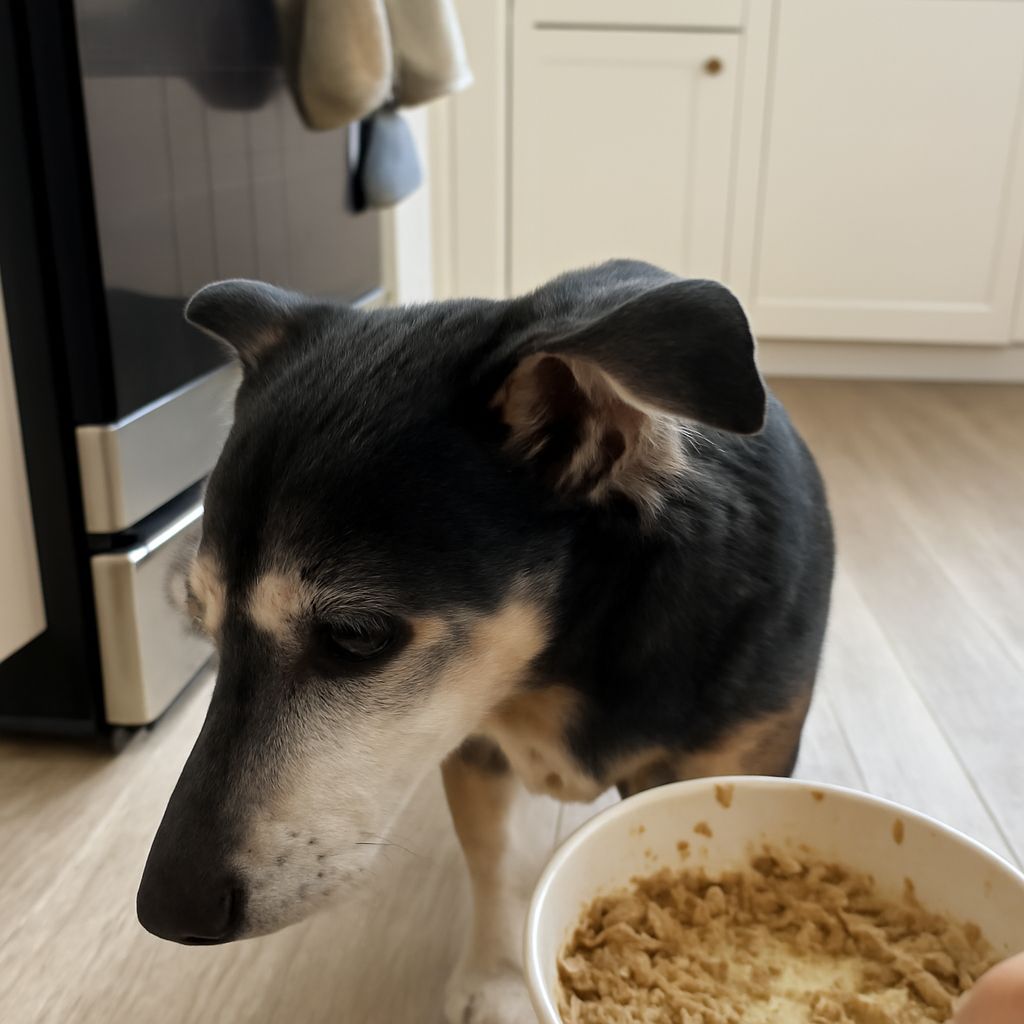
Some dogs respond well to adding a few ice cubes to their bowl. The novelty of ice can interest them, and the cooling effect can be particularly appealing on hot days. Additionally, feeding your dog wet food instead of dry kibble can increase their overall water intake due to the higher moisture content.
Maintaining a routine of regular, short walks or playtime can stimulate a dog’s thirst, prompting them to drink more. Always ensure fresh water is available after exercise sessions and throughout the day. If your dog doesn’t drink water frequently, consider positioning multiple water bowls throughout the house to remind and encourage them.
When to Seek Help if Your Dog Doesn’t Drink Water
If your efforts don’t result in increased water consumption or if your dog shows significant signs of dehydration, it’s time to consult a veterinarian. Symptoms such as dry gums, sunken eyes, or a decrease in skin elasticity indicate severe dehydration, which could necessitate medical intervention.
At times, underlying medical conditions may require specific treatments to resolve hydration issues. A licensed veterinarian can provide a thorough examination and recommend appropriate interventions, which might include dietary changes or the use of specialized hydration techniques.
Always keep in mind that while home strategies are effective for mild cases, persistent or severe problems with your dog not drinking enough water warrant professional advice. Ensure your pet’s well-being by staying vigilant and proactive about their hydration needs.