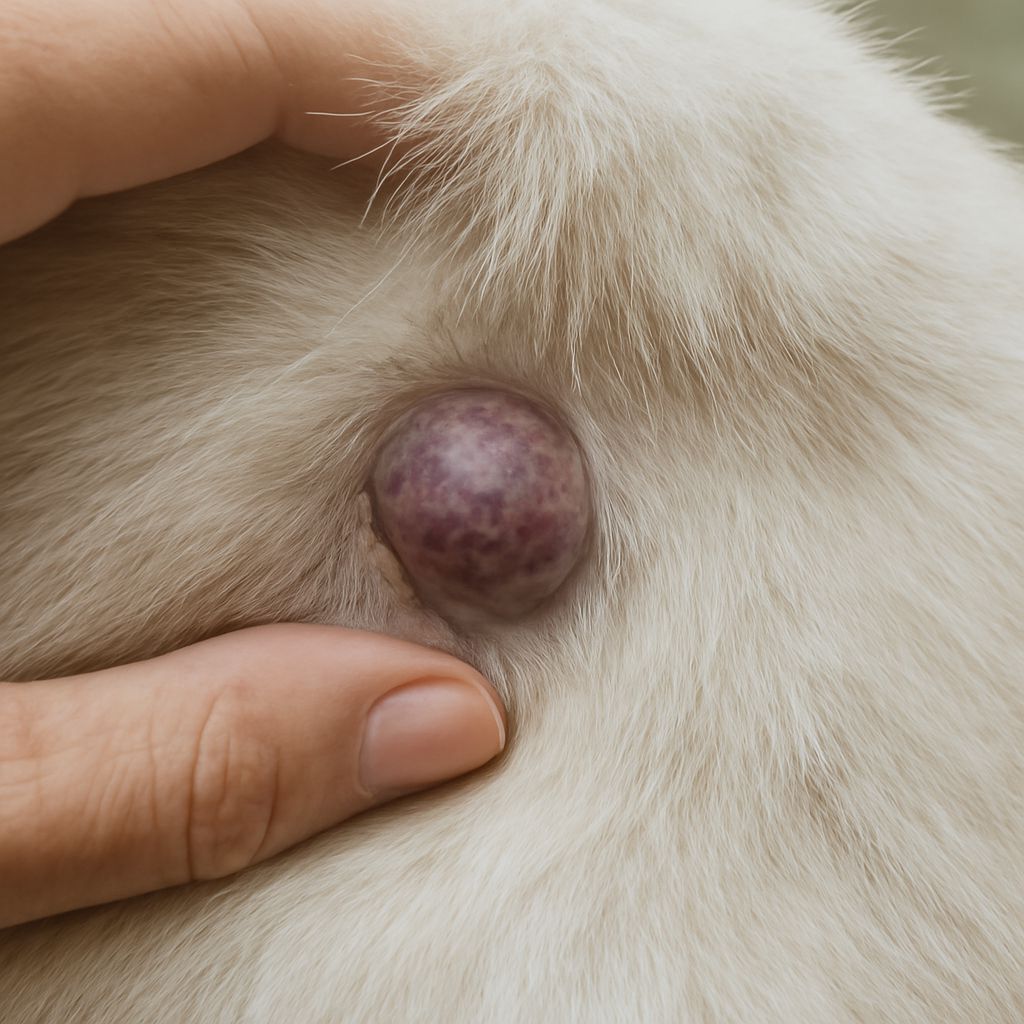
When it comes to pets, the discovery of a tumor on a beloved dog can be alarming. Myths abound about what causes these growths and how serious they might be. Some believe that a tumor on a dog, especially on the leg, is a definite sign of cancer. However, not all tumors are cancerous. Understanding the nature of these growths can help dispel unnecessary fears and guide owners toward making informed decisions.
Another widespread misconception is that a mast cell tumor results in immediate bleeding and is untreatable. While it’s true that such tumors can bleed, early detection and appropriate treatment significantly improve outcomes. This article explores the causes, symptoms, and treatment options for canine tumors, aiming to provide pet owners with the knowledge needed to keep their pets healthy.
What Causes Tumors in Dogs?
Dog tumors can arise from a variety of factors, including genetic predisposition, environmental influences, and age. Certain breeds are more prone to developing tumors, indicating a hereditary component. Additionally, exposure to toxins and pollutants in the environment has been linked to the development of abnormal growths. Understanding these risk factors is essential for prevention and early detection.
A dog may develop a tumor due to cellular changes that occur as part of the aging process. As dogs age, the likelihood of cellular abnormalities increases, making older dogs more susceptible to tumor development. Regular veterinary check-ups are crucial, as they can help detect these changes early.
Recognizing Symptoms of a Tumor on Your Dog
To catch tumors early, it’s important to recognize the signs. Look for unusual lumps or bumps on your dog’s body, particularly a tumor on the leg, which can sometimes be mistaken for a cyst or benign growth. Changes in the size or color of an existing lump should also be a cause for concern.
Symptoms like a mast cell tumor causing frequent itching, redness, or bleeding are more apparent and should prompt immediate veterinary consultation. Other signs might include changes in behavior, appetite, or weight loss, all of which could indicate an underlying health issue.
Treatment Options for Dog Tumors
Treatment for dog tumors varies based on the type, location, and severity of the growth. Surgical removal is a common approach, particularly if the tumor is localized and accessible. In cases where surgery is not feasible, radiation therapy or chemotherapy might be recommended.
For some tumors, particularly aggressive forms like mast cell tumors, a combination of treatments may be necessary. It is important to consult with a veterinary oncologist to understand the best course of action tailored to the specific needs of your dog.
Advancements in veterinary medicine continually improve treatment efficacy. New therapies are being developed, offering hope for improved outcomes in canine cancer care.
How to Care for a Dog After Tumor Treatment
Post-treatment care is crucial for recovery. Ensure your dog rests adequately and follows any dietary guidelines provided by the veterinarian. Monitor the surgical site for signs of infection, such as swelling or discharge, and maintain regular follow-up appointments to track recovery progress.
Providing emotional support is also vital. Tumor treatment can be taxing on a dog’s mental state, so keeping a calm and reassuring environment aids in recovery. Engage in gentle activities to keep your pet’s spirits high without overexertion.
Every dog responds differently to treatment, so it is important to maintain open communication with your veterinarian to adjust care plans as needed. Prioritizing your dog’s well-being and adhering to professional recommendations will promote a better quality of life post-treatment.