Many dog owners often find themselves in a whirlwind of confusion when trying to discern whether their furry friend is merely expressing protective instincts or if there is a more serious underlying health issue at play. It’s crucial to differentiate between signs your dog is protective of you and symptoms that indicate your dog is getting old or sick after flea treatment. Misinterpretations can lead to neglecting necessary medical attention or, conversely, overreacting to benign behaviors.
Understanding the nuances of your dog’s behavior can help you provide timely care. Recognizing the signs that your dog is protective of you may be reassuring, but it’s equally important to know when those signs shift into symptoms of a health problem. This guide will help you navigate through these complexities, ensuring your pet remains happy and healthy along the way.
Recognizing a Sick Dog
Common Symptoms of Illness
To identify a sick dog, observe for common symptoms such as lethargy, vomiting, diarrhea, and loss of appetite. These signs are indicative of possible health issues that require attention. Other noticeable changes might include coughing, excessive thirst, or unintended weight loss.
When to Consult a Veterinarian
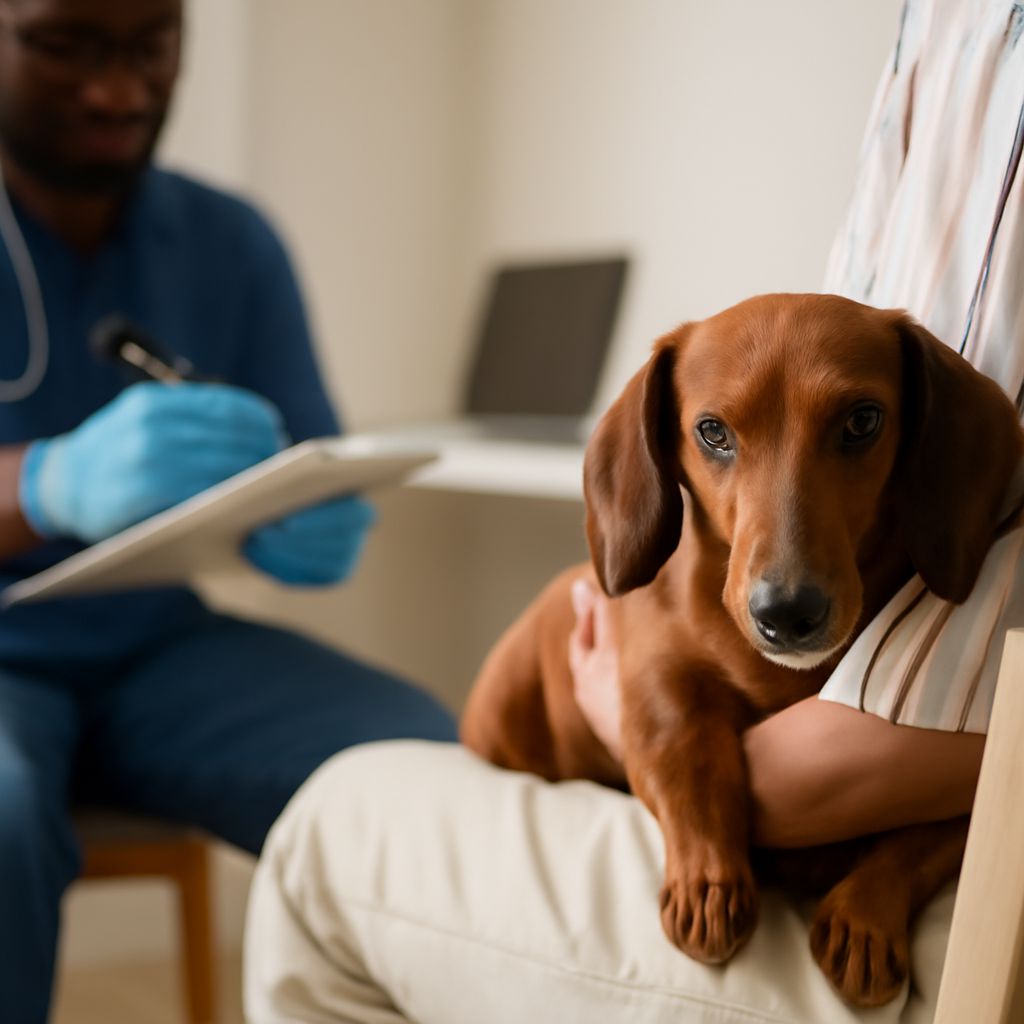
If your dog exhibits persistent signs of illness, it’s crucial to consult a veterinarian. Professional evaluation is essential when symptoms like severe vomiting, prolonged diarrhea, or lack of improvement occur. Early veterinary intervention can prevent complications and promote recovery.
Signs Your Dog is Protective of You
Behavioral Indicators
A protective dog may display behaviors such as standing between you and perceived threats, barking at strangers, or closely monitoring your movements. These actions often indicate a sense of loyalty and affection, not necessarily a health concern.
How Protection Impacts Health
While protective instincts are natural, excessive stress from constant vigilance can impact a dog’s health. Ensure your pet has time to relax and decompress to avoid stress-related health issues.
Identifying Signs That Your Dog is Getting Old
Physical Changes
As dogs age, they exhibit physical changes like graying fur, slower movements, and joint stiffness. These signs are normal and require appropriate care to manage pain and maintain mobility.
Behavioral Changes
Aging dogs might display altered behaviors such as increased sleeping, reduced playfulness, or changes in appetite. Recognizing these changes helps in adapting care routines to suit their evolving needs.
Caring for an Aging Dog
Provide your aging pet with a balanced diet, regular vet check-ups, and a comfortable living environment. Adjusting exercise routines and ensuring they remain mentally stimulated are vital components of their care.
What to Do When Your Dog is Sick After Flea Treatment
Immediate Steps to Take
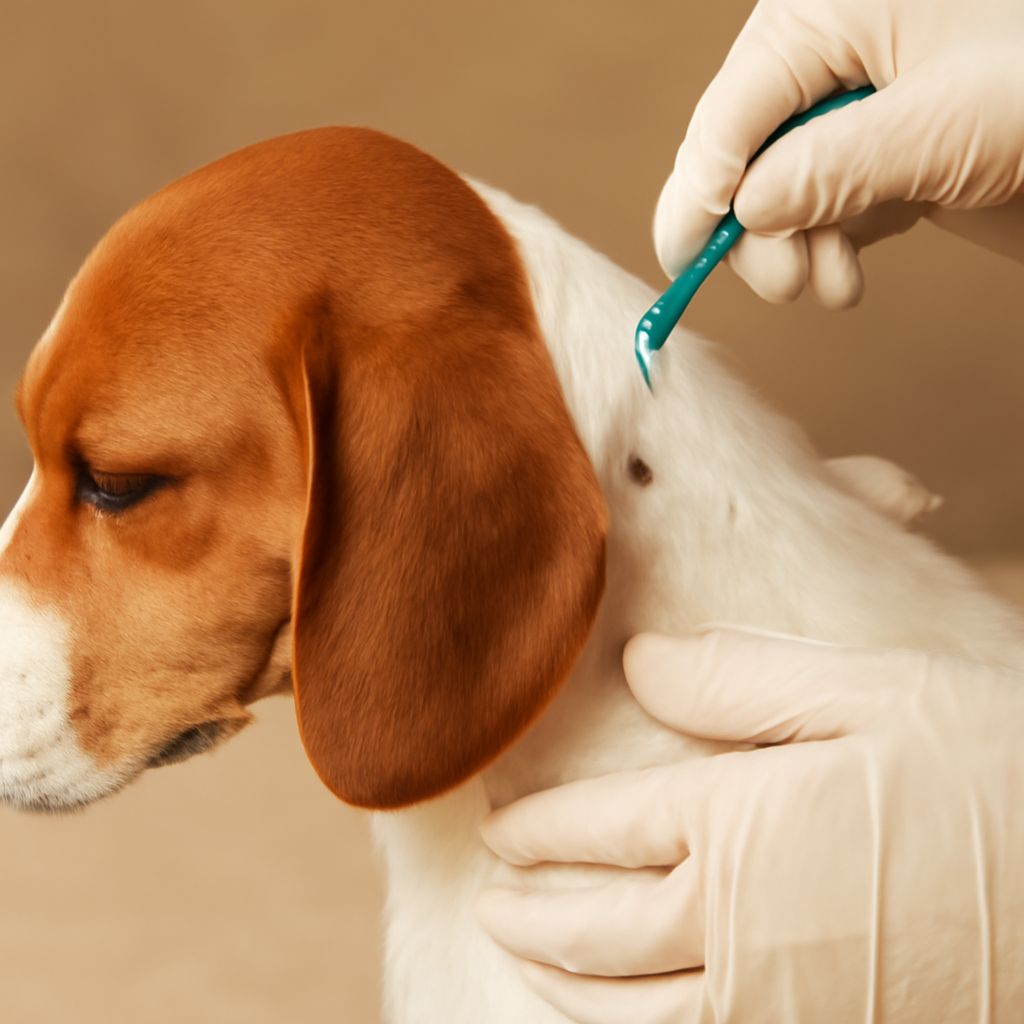
If your dog becomes sick after flea treatment, wash off the product and monitor for symptoms like vomiting or excessive drooling. Keep them calm and hydrated, and limit physical activity.
Consulting with a Veterinarian
Seek veterinary advice if symptoms persist or worsen. A veterinarian can provide guidance on whether a reaction occurred and recommend alternative flea treatments or remedies.
Preventative Measures
Ensure flea treatments are used according to guidelines to minimize adverse reactions. Consider natural flea repellents or consult a vet for suitable options for sensitive dogs.
Bottom line: Understanding your dog’s health requires differentiating between protective behaviors and signs of illness. Whether noticing signs your dog is protective of you or symptoms that indicate your dog is getting old or sick after flea treatment, timely intervention and proper care are key to ensuring a happy, healthy pet.