Many pet owners find themselves worrying, “how to get my dog to drink water?” It’s a common concern, yet misconceptions abound. For instance, some believe that dogs naturally drink enough water when thirsty, but this isn’t always true. Others think adding flavor enhancers to water is the only solution, yet there are numerous methods to ensure a dog’s hydration.
Understanding how to get a dog to drink water involves exploring various strategies and knowing when to seek professional advice. Let’s delve into practical solutions to ensure your furry friend remains well-hydrated.
Why Is Your Dog Not Drinking Water?
Common Reasons for Dehydration
Dogs may refuse water for several reasons. The water’s temperature might be unappealing, or the water bowl might not be clean. Stress and anxiety can also make dogs shy away from drinking. In some cases, underlying health issues, like urinary tract infections, might affect your dog’s water intake.
Signs Your Dog Is Dehydrated
Recognizing dehydration in dogs is crucial. If your pet has a dry nose, sunken eyes, or lacks energy, these could be warning signs. In severe cases, the dog’s skin may lose elasticity. Monitoring these signs helps determine if your dog needs immediate attention to its hydration needs.
How to Get Your Dog to Drink More Water
Making Water More Appealing
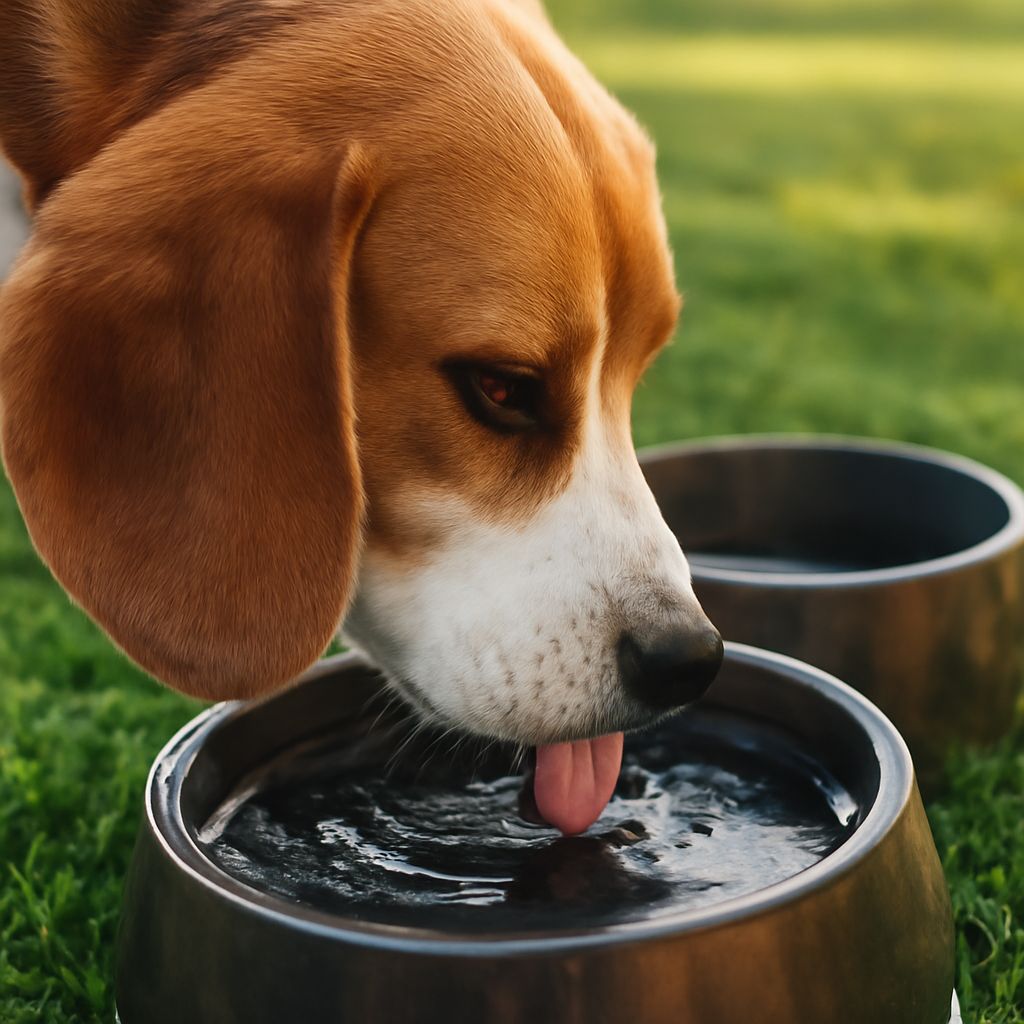
To encourage your dog to drink more, ensure the water is fresh and at a comfortable temperature. Some dogs prefer cool water, particularly in hot weather. Regularly change the water and clean the bowl to make drinking more inviting.
Using Flavor Enhancements
If your pet is still reluctant, consider adding a splash of low-sodium chicken broth to the water. This flavor boost can make the water more enticing. Freeze broth into ice cubes and place them in the water bowl for a playful yet effective hydration trick.
Offering the Right Type of Bowl
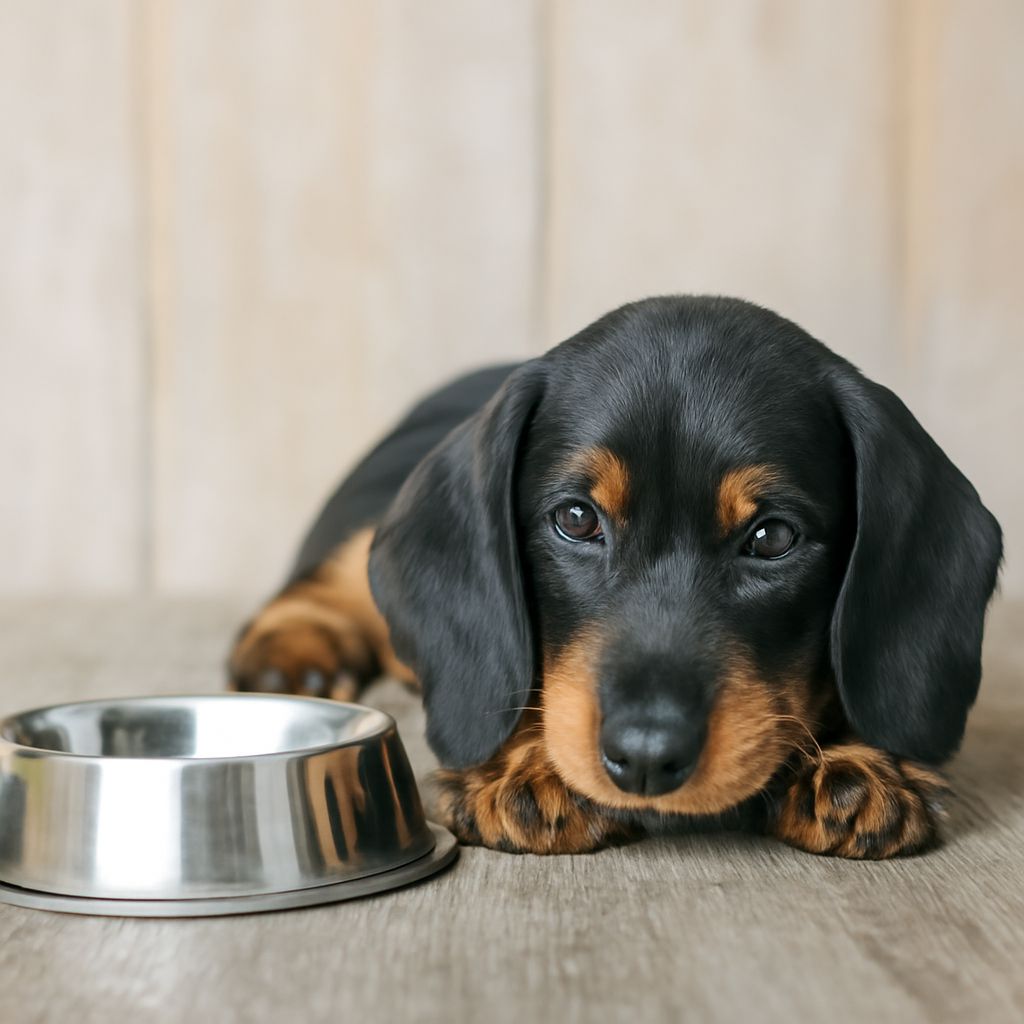
The type of water bowl also matters. Stainless steel or ceramic bowls are preferable as they don’t retain odors like plastic ones. Ensure the bowl’s size matches your dog’s breed and drinking habits for optimal comfort and access.
Encouraging Water Intake Through Routine
Establishing a Drinking Schedule
Structure can significantly influence your dog’s drinking habits. Establishing a consistent schedule by offering water at specific times helps form a routine. Encourage drinking after meals and walks to reinforce the habit.
Incorporating Water-Rich Foods
Integrating water-rich foods into your dog’s diet can boost their overall fluid intake. Offer wet dog food or add water to dry kibble, making it more hydrating. This approach is particularly beneficial for dogs reluctant to drink water.
When to Consult a Veterinarian
While these tips are effective, consulting a veterinarian is essential if your dog continues to avoid water or shows severe dehydration signs. A licensed professional can diagnose underlying health issues and recommend appropriate treatments or diet adjustments.