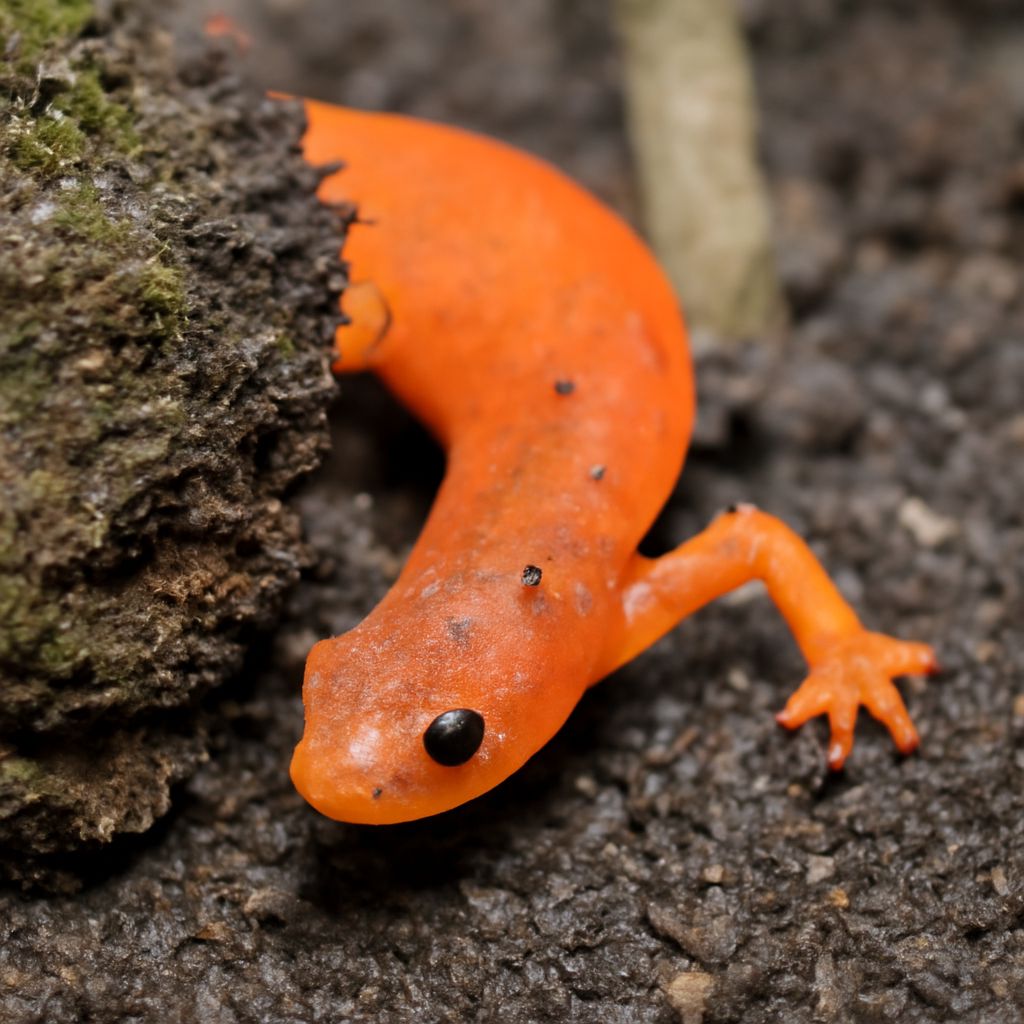
While the allure of having a snake as a pet is undeniable for many enthusiasts, pet salamanders, particularly newts, offer a captivating alternative that often goes overlooked. Many assume that caring for a newt or any pet salamander demands excessive effort or expertise. However, these intriguing creatures provide an accessible and rewarding pet experience for both novices and seasoned reptile aficionados alike.
Despite common misconceptions, newts are not merely simplified versions of other reptiles; they possess distinct traits that make them fascinating companions. Before you decide on a snake or another reptile, consider the unique pleasures and manageable care requirements of keeping a newt as your next pet.
Why Choose Newts as Pets
Benefits of Having Pet Newts
Owning newts brings a host of benefits, from their relatively low-maintenance care to their engaging behaviors. These amphibians are not just visually appealing; they also exhibit intriguing social dynamics and environmental interactions that captivate their owners. A newt’s aquarium can become a lively microcosm of activity, offering endless observation opportunities.
Comparing Newts to Other Reptiles
When comparing newts to other reptiles, like snakes or lizards, it’s important to consider factors such as habitat needs and temperament. Unlike some reptiles that require extensive space or elaborate setups, newts thrive in more compact and manageable environments. Additionally, their generally gentle demeanor makes them an excellent choice for households with children or first-time pet owners.
Care Essentials for Pet Newts
Habitat Requirements
When setting up a habitat for your newt, it’s crucial to replicate their natural environment as closely as possible. This includes providing a balance of aquatic and terrestrial spaces within the tank. Proper filtration and regular water changes are essential to maintain a healthy living space, preventing diseases and promoting longevity for your newt.
Feeding Tips
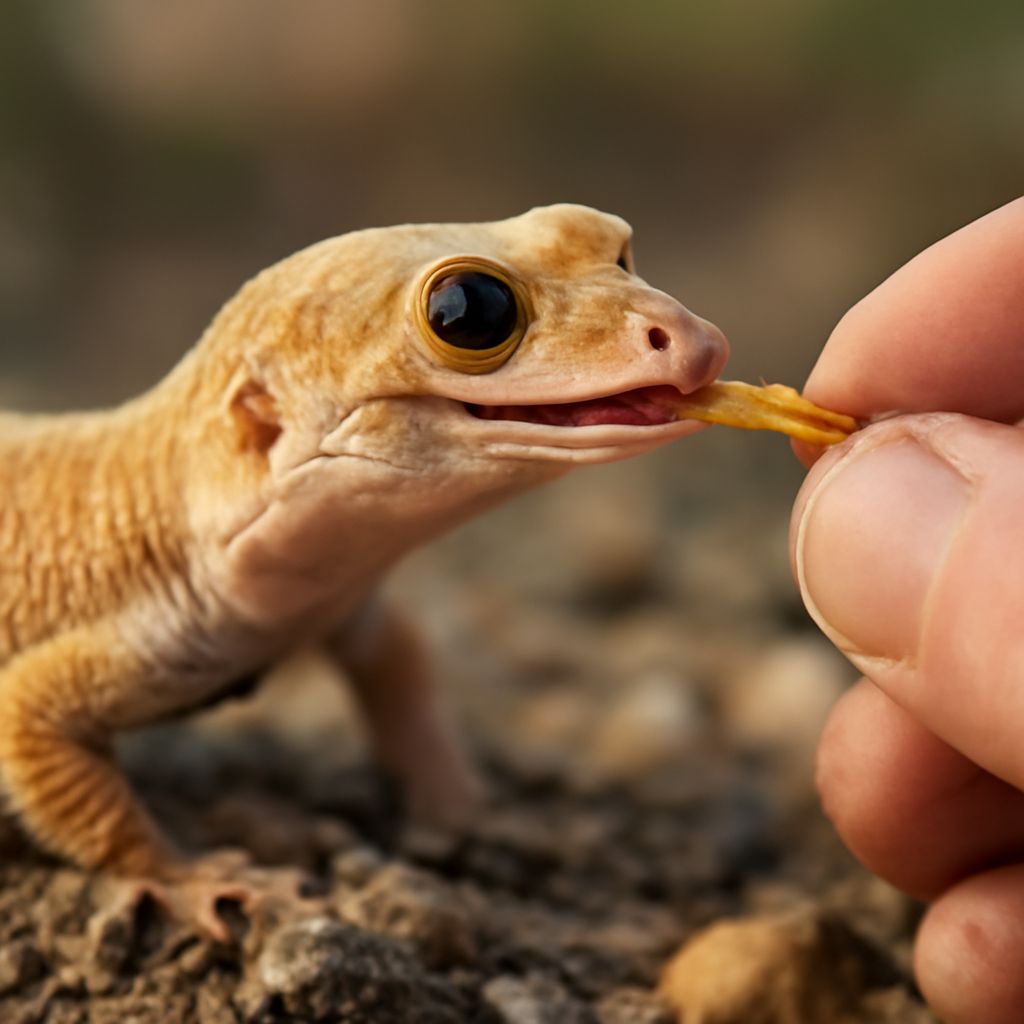
Feeding a newt involves offering a diet rich in protein, typically consisting of live or frozen insects and worms. It’s important to provide food that is appropriately sized to prevent choking and ensure that the dietary needs are met. Regular feeding schedules and monitoring of eating habits can help keep your newt healthy and active.
Health Considerations
Maintaining optimal health for your pet newt involves regular monitoring for signs of distress or illness. Common health issues include skin infections and respiratory problems, often linked to poor water quality or inadequate habitat conditions. Consulting a veterinarian with experience in amphibians can be invaluable when addressing any health concerns.
Understanding Pet Salamanders
Differences Between Newts and Salamanders
Although newts are a subset of salamanders, there are key differences that potential owners should understand. Newts typically have rougher skin and spend more time in water than their salamander counterparts, which often favor terrestrial habitats. Recognizing these differences can guide you in providing the best care tailored to their specific needs.
Popular Pet Salamander Species
There are numerous salamander species to consider as pets, each with unique characteristics. The Tiger Salamander, for instance, is known for its striking appearance and adaptable nature. Understanding the specific requirements and behaviors of each species can help you select the perfect pet for your lifestyle and preferences.
Snake as a Pet: Alternative Reptile Options
Pros and Cons of Snake Ownership
While owning a snake can be an exciting venture, it comes with its own set of pros and cons. Snakes, unlike newts, require specific heating and enclosure conditions, and their feeding needs often involve live prey, which may not suit every pet owner. However, snakes can offer a unique companionship experience that some may find rewarding.
Comparing Snakes and Newts
When comparing snakes and newts, it’s essential to weigh the differences in maintenance and interaction levels. Newts provide a more hands-off experience with less intensive care requirements, while snakes may offer more interactive engagement. Understanding these distinctions can help you make an informed decision about which reptile best suits your home and lifestyle.