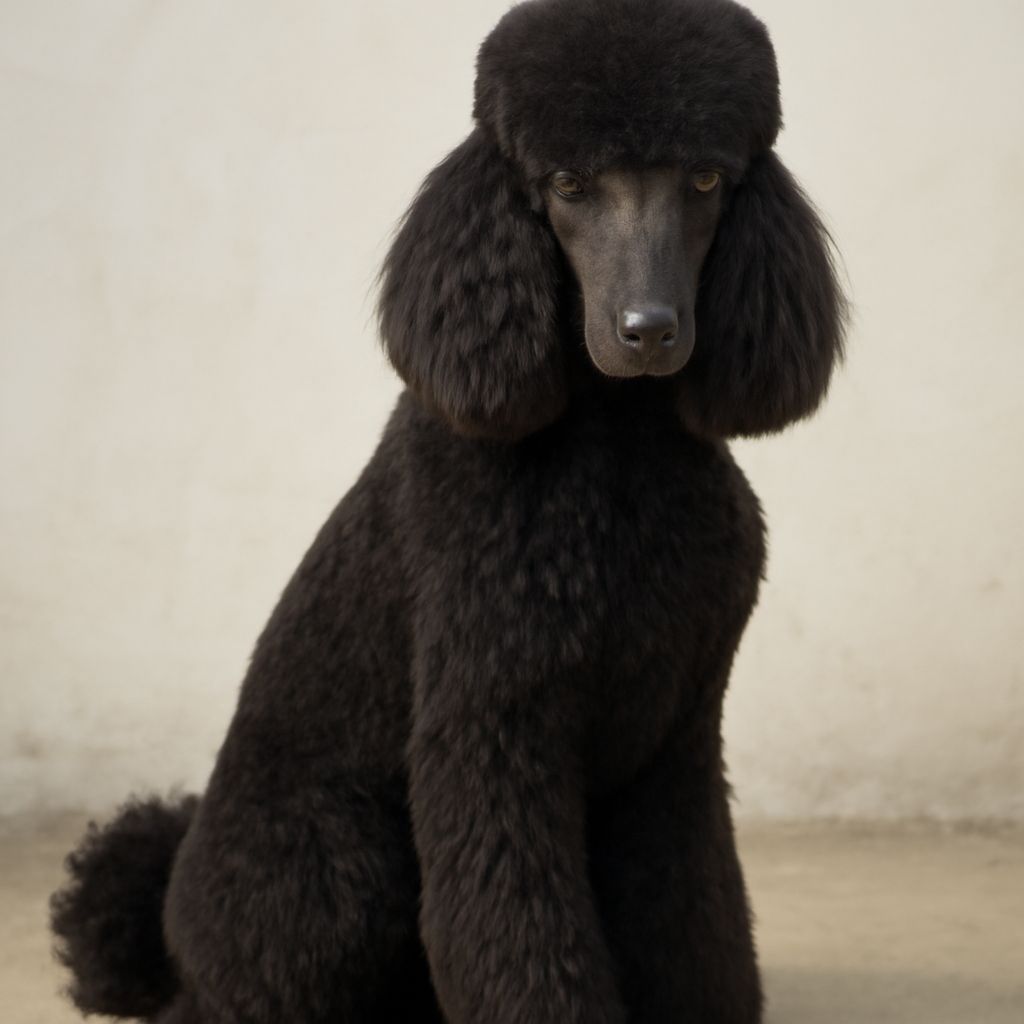
Curly haired dog breeds often captivate pet lovers with their distinctive coats. Contrary to popular belief, these breeds are not just about aesthetics. Many assume that curly-haired dogs might be high-maintenance, require frequent grooming, and be prone to health conditions like colitis. However, these dogs bring more to the table than one might think. Understanding the unique traits, care needs, and health considerations of curly-haired breeds can debunk these myths and help you appreciate these fabulous furry friends.
Exploring curly hair dog breeds reveals their variety, charm, and adaptability. While some might worry these breeds are challenging to groom or manage, the truth is they offer companionship and joy in unique ways. Dive into the world of curly-haired dogs to discover what makes them special, how to care for them, and whether they truly face health issues more than other breeds.
What Makes Curly Haired Dog Breeds Special?
Curly haired dog breeds are known for their distinctive, textured coats which help in regulating body temperature and providing protection against environmental elements. Breeds like the Poodle or Bichon Frise are popular for their curly locks, which add a layer of charm and elegance to their appearance.
These dogs often come with personalities as unique as their coats. Curly-haired breeds are typically intelligent, active, and affectionate, making them excellent companions for both families and individuals. The texture and volume of their hair can play a role in their overall demeanor, often correlating with an outgoing and playful nature.
How to Care for Curly Hair Dog Breeds
Proper grooming is crucial for maintaining the health and appearance of curly-haired dogs. Regular brushing prevents matting and tangles, ensuring their coat remains healthy. Using pet hair sponge variations designed for curly breeds can make the grooming process easier and more effective.
Bathing these dogs requires special attention. Choose shampoos that cater specifically to curly coats to maintain their natural oils and prevent drying. After bathing, ensure thorough drying to prevent skin irritations. For professional results, consult a licensed stylist for complex grooming or styling needs.
Besides grooming, maintaining a balanced diet is important for these breeds. Nutrition impacts the health of their coat and overall wellbeing, so selecting foods rich in omega-3 fatty acids can help support skin health and reduce inflammation.
Are Curly Haired Dogs Prone to Colitis?
Colitis can affect any dog breed, but it is not inherently more common in curly-haired breeds. Colitis in dogs typically results from dietary indiscretions, allergies, or stress. It’s important to monitor your pet’s diet and environment to prevent this condition.
If you suspect your dog is suffering from colitis, symptoms such as diarrhea or abdominal discomfort warrant a visit to the veterinarian. They can provide guidance and potentially prescribe a diet or medication tailored to your pet’s needs, ensuring their comfort and health.
What Are the Best Products for Pet Hair?
Managing pet hair in curly-haired breeds involves choosing the right tools. Pet hair sponges are effective in maintaining coat health and helping with grooming. Brushes with flexible bristles are ideal for detangling without causing damage.
For maintaining a clean home environment, vacuums with pet hair attachments can effectively remove loose hair from furniture and carpets. Investing in quality grooming tools helps keep both your dog and your living space in top shape.
In conclusion, curly-haired dog breeds offer unique challenges and rewards. By understanding their distinctive traits and providing proper care, you can ensure they thrive as cherished members of your family. Regular consultations for complex grooming or potential health issues can further support their wellbeing.
Safety Recap: When caring for curly-haired dogs, always ensure grooming tools are safe and appropriate for their coat type. If attempting complex color corrections or addressing severe hair damage, consult a licensed stylist to ensure safe and effective care.