Injuries from dog bites often bring a whirlwind of concern, mainly due to the potential for dog wound infection symptoms. While many people fear that all bites lead to severe complications, understanding the reality can ease many worries. Recognizing dog bite on hand injuries, for instance, underscores the importance of addressing wounds properly rather than succumbing to fear.
Another common myth is the belief that all bites require immediate, extensive medical intervention. Yet, knowing how to treat a dog bite on a dog can sometimes be managed effectively at home. The key lies in recognizing the bite’s severity and acting swiftly. Through this article, we’ll debunk misconceptions and provide insights into effective treatment and prevention strategies to handle these injuries competently.
What is a Dog Puncture Wound?
Common Causes of Dog Puncture Wounds
Dog puncture wounds typically occur when a dog’s teeth penetrate the skin, causing injury. These wounds can be the result of playful interactions gone wrong or aggressive incidents. Recognizing these common origins can help in both prevention and initial response.
Difference Between Puncture Wounds and Other Injuries
Unlike abrasions or lacerations, puncture wounds are deeper and pose a greater risk of infection due to debris and bacteria being carried into the lower layers of skin. Understanding this distinction emphasizes the importance of proper wound management to prevent complications.
How to Treat a Dog Bite on Hand
Immediate Steps to Take
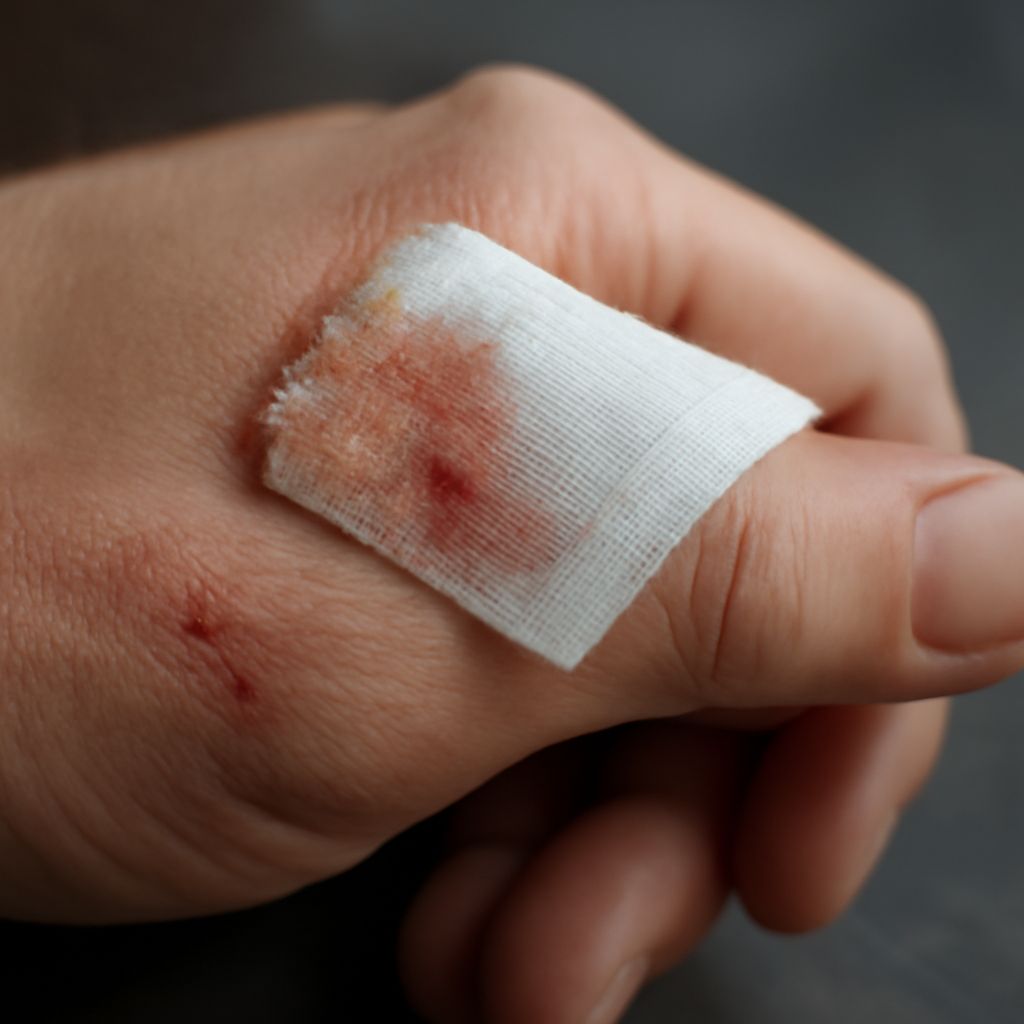
Upon receiving a dog bite on the hand, the immediate response should involve cleaning the wound thoroughly with soap and water to minimize infection risk. Applying pressure to stop bleeding and covering the wound with a sterile bandage are crucial initial steps.
Professional Treatment Options
If the bite is deep or displays signs of severe damage, medical evaluation is essential. Professional treatment may include antibiotics or a tetanus shot to prevent infection. Consulting a healthcare provider ensures the wound is managed appropriately.
Home Remedies for Minor Dog Bites
For minor bites, home care involves keeping the wound clean and observing it for any changes. Over-the-counter pain relief can assist in managing discomfort, while monitoring for swelling or redness helps in identifying potential issues early.
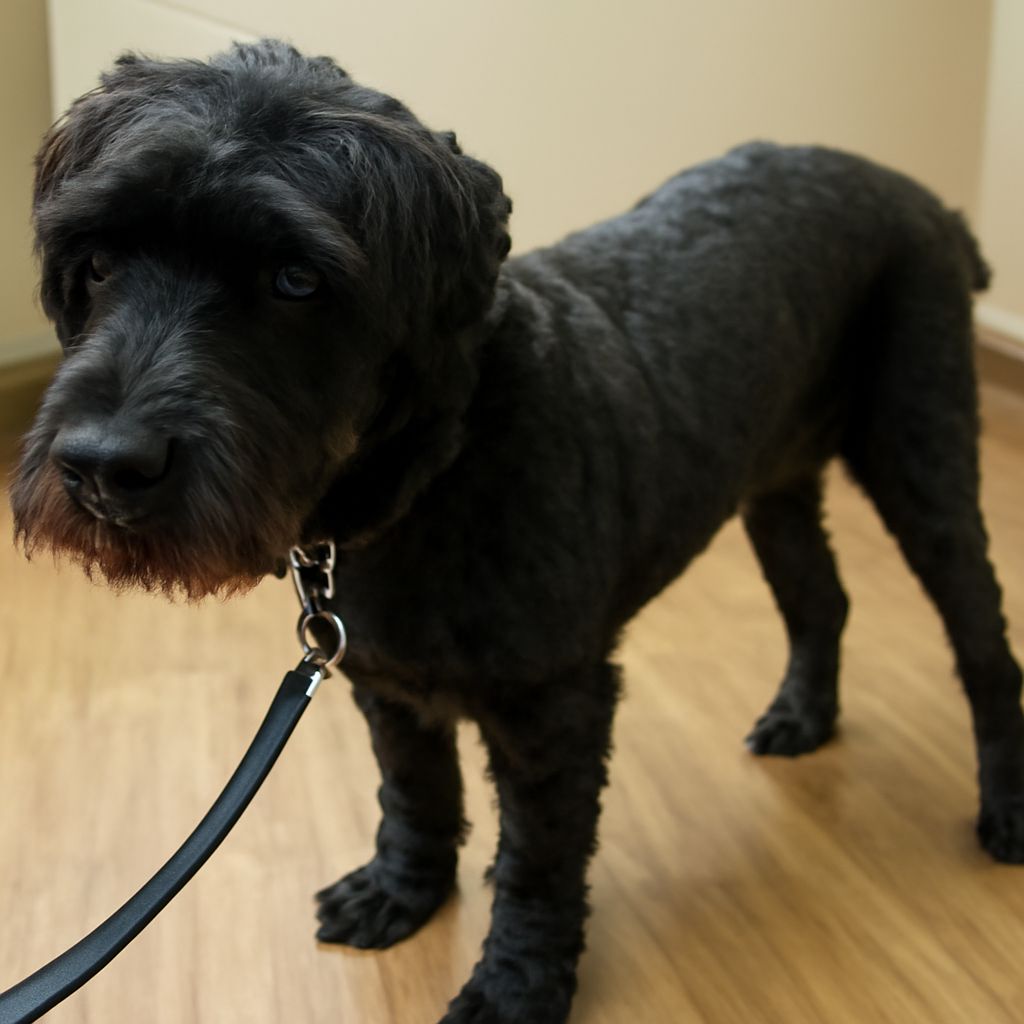
How to Treat a Dog Bite on a Dog
Assessing the Severity of the Bite
Evaluating a bite on another dog involves checking for deep wounds, excessive bleeding, or visible bone. These indicators determine whether home care suffices or if veterinary intervention is necessary.
Steps to Properly Clean and Dress the Wound
Gently cleaning the wound with a saline solution and dressing it with a sterile bandage aids in preventing infection. Regular monitoring and changing of the dressing are important parts of at-home management.
When to Seek Veterinary Care
If the wound does not heal or shows signs of infection, such as pus or increased pain, consulting a veterinarian is crucial. They can provide tailored care and ensure the wound heals correctly.
Dog Wound Infection Symptoms
Signs to Watch For
Infection symptoms include redness, swelling, warmth, and pus discharge from the wound. Fever or lethargy in pets are additional signs that necessitate a veterinary visit.
Preventing Infection in Dog Bites
Preventative measures involve keeping the wound clean, applying antiseptic creams, and ensuring the dog has up-to-date vaccinations. These steps help reduce the likelihood of an infection developing.
Key takeaways: Understanding the nature of dog puncture wounds and the correct response to them is vital for effective treatment. Quick action and awareness of infection symptoms significantly reduce complications. Always consult a professional for severe cases or signs of infection.