Many pet owners may believe that itchy dog ears are merely a minor nuisance. However, if your dog has itchy ears, it can be a sign of more serious underlying issues that require attention. In some cases, these ear problems can lead to severe discomfort for your furry friend and even result in chronic conditions that may be difficult to manage.
Understanding the causes and symptoms of dog ear problems is crucial for ensuring your pet’s well-being. Conditions like dry dog ears or when dog ears are red and hot can indicate infections or allergies that need proper care. By addressing these issues promptly, you can help your dog avoid unnecessary pain and discomfort.
What Causes Itchy Dog Ears?
Itchy dog ears can be caused by a variety of factors. Common culprits include allergies to environmental factors such as pollen or dust, ear mites, and bacterial or yeast infections. Some dogs may also develop itchy ears due to food sensitivities or reactions to medications.
Environmental conditions, such as humidity and temperature, can exacerbate these issues. Dogs with floppy ears are particularly susceptible to ear problems because their ear structure can trap moisture and debris, creating an ideal environment for infections.
Symptoms of Dog Ear Problems
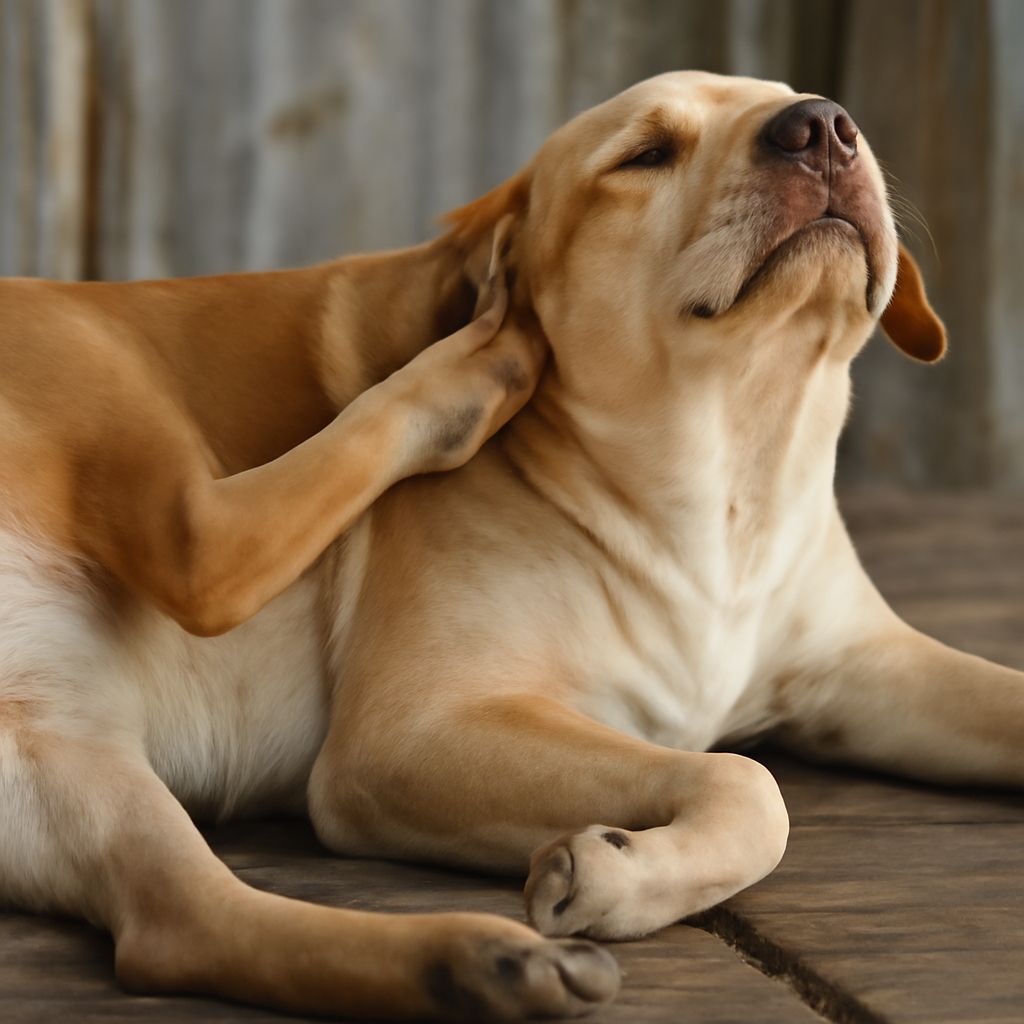
Recognizing the symptoms of dog ear problems is essential for early intervention. Dogs with ear issues may frequently scratch or rub their ears, shake their heads, or show signs of discomfort. You might notice redness, swelling, or a foul odor emanating from their ears.
In some cases, a dog may experience a loss of balance or unusual eye movements if the inner ear is affected. Early detection and treatment can prevent complications and improve your pet’s quality of life.
Why Your Dog Has Itchy Ears
Determining why a dog has itchy ears involves examining both environmental and internal factors. Allergies to airborne particles or specific food ingredients can cause inflammation and itching. Parasitic infestations, such as ear mites, are another frequent cause of discomfort.
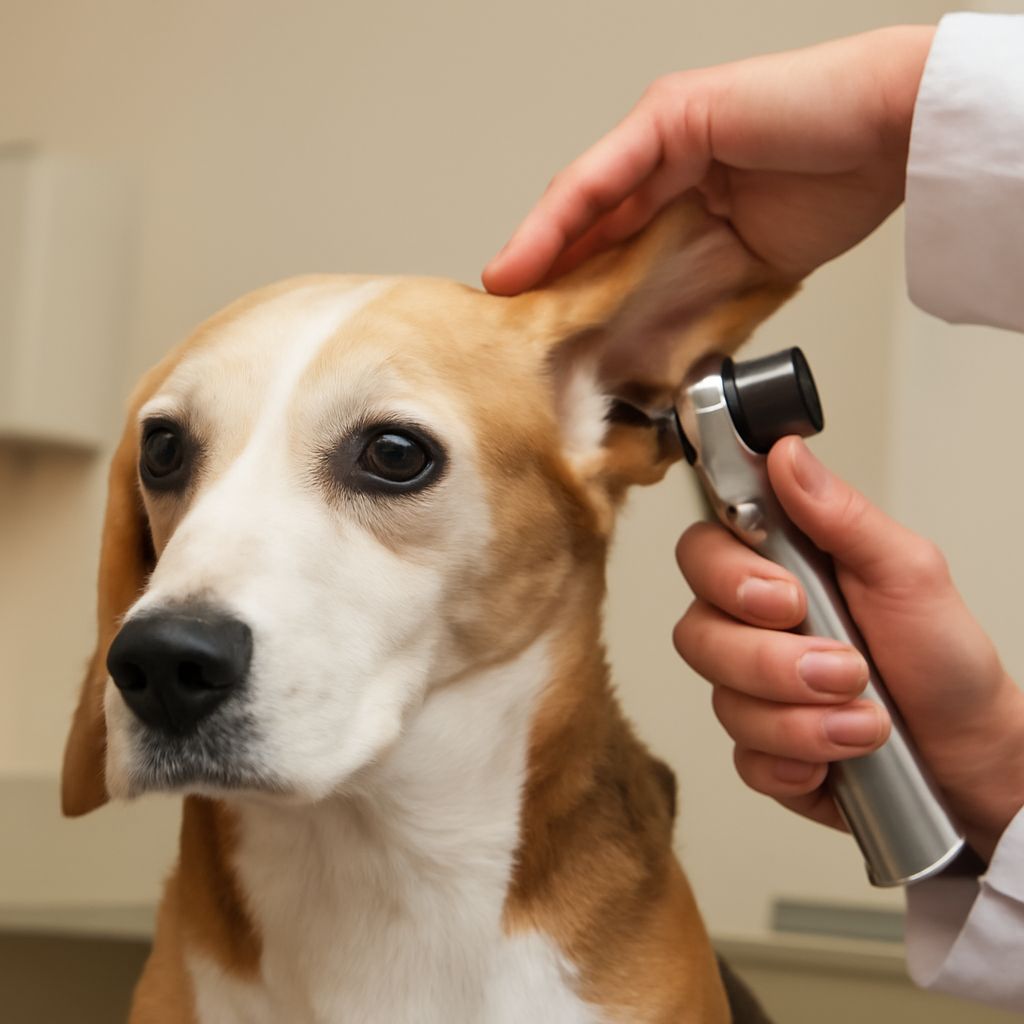
Infections often result from trapped moisture or foreign objects in the ear canal. If you suspect an underlying health condition, it is advisable to consult a veterinarian for a thorough examination.
Identifying Dry Dog Ears
Dry dog ears may not seem as concerning as other conditions, but they can still cause significant discomfort. Dryness can lead to flaky skin, irritation, and increased susceptibility to infections.
Identifying dry ears involves checking for symptoms such as crusty skin, a lack of earwax, or persistent itching. Moisturizing ear drops or oils designed for pets can help alleviate dryness. However, if symptoms persist, seeking veterinary advice is recommended.
When Dog Ears Are Red and Hot
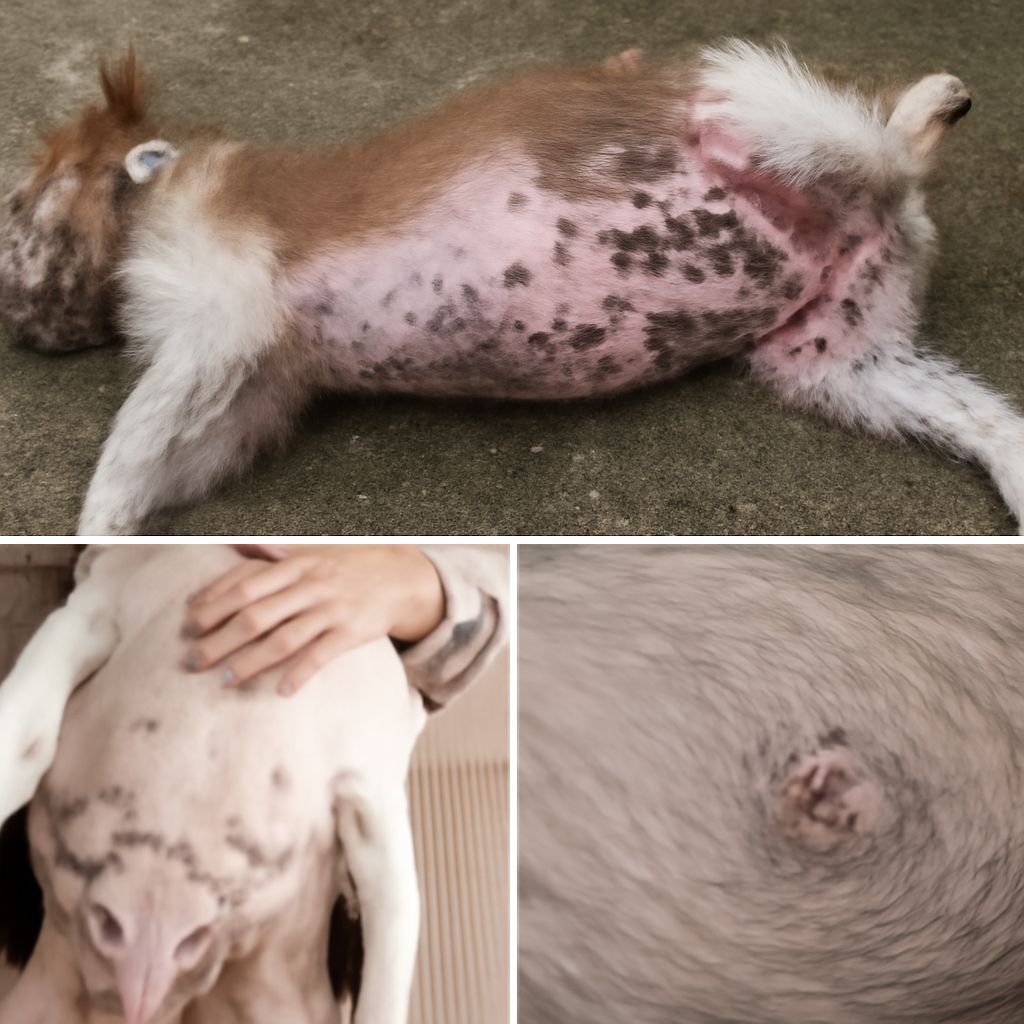
Dog ears that are red and hot to the touch often indicate inflammation or infection. This can be due to an overgrowth of yeast or bacteria, especially in dogs with a history of ear infections.
Prompt treatment is essential to prevent the infection from spreading. A veterinarian can provide the appropriate medication to reduce inflammation and eliminate the infection.
Solutions for Itchy Dog Ears
There are several effective solutions for addressing itchy dog ears. Regular cleaning with vet-approved ear cleansers can help maintain ear health and prevent buildup. Avoid using cotton swabs, as they can push debris deeper into the ear canal.
For persistent issues, a veterinarian may prescribe medications or recommend dietary adjustments to manage allergies. In cases of severe damage or infection, professional intervention is necessary to ensure proper healing.
Preventing Future Dog Ear Issues
Preventive care is key to minimizing ear problems in dogs. Regular ear checks, particularly for breeds prone to ear issues, help catch potential problems early. Maintaining a clean living environment reduces the risk of allergens and parasites.
Balanced nutrition also plays a vital role in preventing ear issues. Providing high-quality food free from common allergens can support your dog’s overall health and reduce the likelihood of ear problems.
For ongoing ear care and complex conditions, consulting a veterinarian can provide tailored advice to keep your dog’s ears healthy and comfortable.