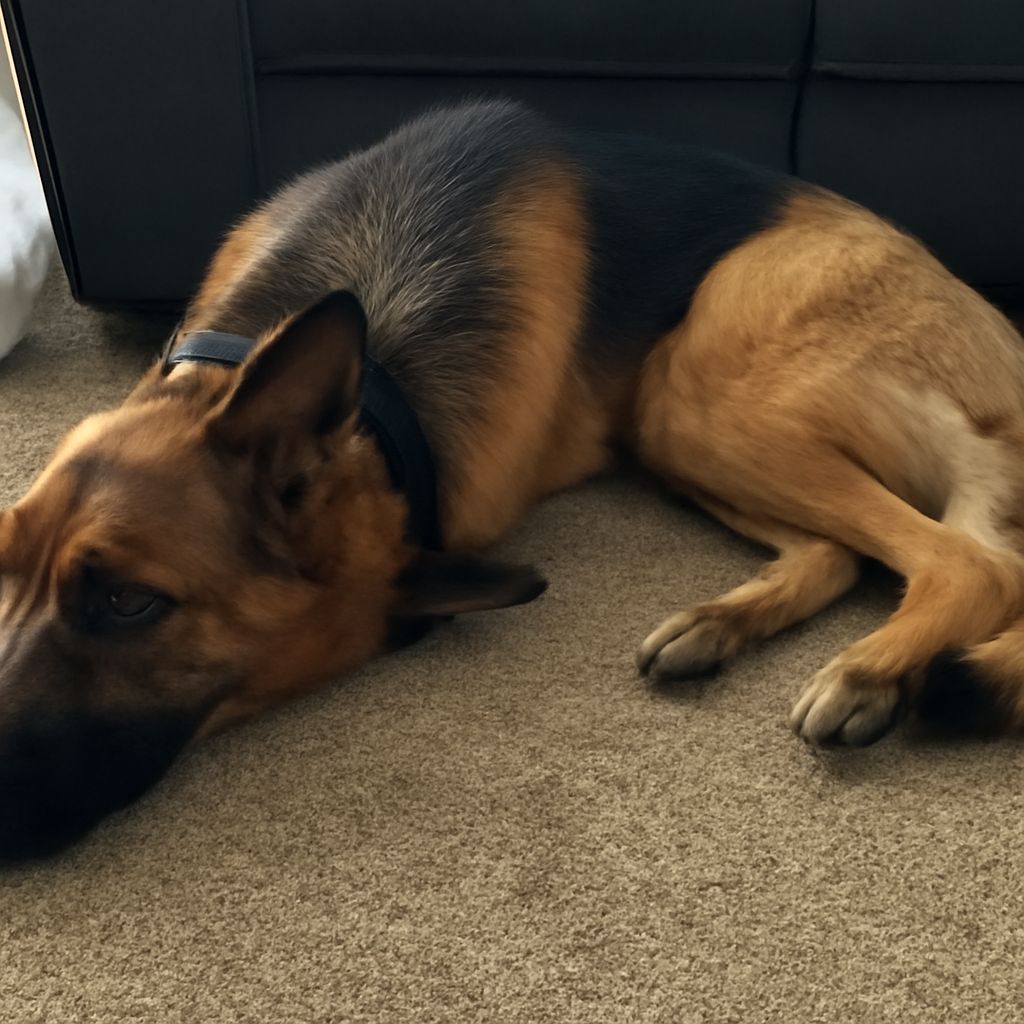
Many pet owners are familiar with the term Old Dog Syndrome, but often confuse it with other conditions like Little Dog Syndrome or even Caged Dog Syndrome. Understanding these distinctions is vital for ensuring your aging pet receives the right care and support. Each syndrome presents unique challenges, and it’s essential to recognize their differences to address the specific needs of your pet effectively. While Old Dog Syndrome, also known as Old Dog Vestibular Disease, mainly affects older dogs, the signs can sometimes resemble Caged Dog Syndrome behaviors, making it crucial to identify the symptoms accurately.
By recognizing and managing Old Dog Syndrome properly, pet owners can significantly improve their furry companions’ quality of life. This exploration will delve into the nuances of these syndromes, provide insights into managing Old Dog Syndrome, and offer comparisons to other conditions like Little Dog Syndrome to clarify any misconceptions.
What is Old Dog Vestibular Disease?
Old Dog Vestibular Disease, often referred to as Old Dog Syndrome, is a condition that affects the vestibular system in older dogs. This system is responsible for maintaining balance and orientation. When it malfunctions, dogs may experience dizziness and lack coordination, often leading to distress for both the pet and the owner. Despite its alarming presentation, it is typically not life-threatening and can be effectively managed with proper care and attention.
Symptoms and Causes of Old Dog Syndrome
What are the common symptoms?
The symptoms of Old Dog Syndrome can be quite dramatic. Dogs may suddenly develop a head tilt, walk in circles, or have difficulty standing. Other signs include rapid eye movement, known as nystagmus, and in some cases, vomiting due to the dizziness. These symptoms can mimic those of Caged Dog Syndrome, where anxiety and stress lead to similar behaviors, but a clear distinction can be made with a proper veterinary assessment.
What causes Old Dog Syndrome?
Old Dog Syndrome primarily occurs due to age-related changes in the inner ear or brain. The exact cause is often idiopathic, meaning no specific underlying condition is identified. However, it is crucial to differentiate it from conditions like Little Dog Syndrome, which is more behavioral in nature, or Baboon Dog Syndrome, which involves distinct physical characteristics. A thorough veterinary evaluation is necessary to determine the exact cause and rule out other potential health issues.
How to Manage Old Dog Syndrome
What treatments are available?
Treatment for Old Dog Syndrome typically focuses on supportive care. While there is no cure, symptoms often resolve on their own over time. Anti-nausea medications can help manage vomiting, and keeping your dog in a safe, comfortable environment can minimize injury. It’s important to remember that although the symptoms may be similar to those seen in Caged Dog Syndrome, the underlying causes differ, necessitating distinct management strategies.
How can you support your pet at home?
Home care involves ensuring your pet has a safe space to recover with minimal risk of falling. Soft bedding, and avoiding stairs can prevent injuries. Patience is crucial, as recovery can take days to weeks. Consult a licensed veterinarian if symptoms persist or worsen, as this may indicate a more serious underlying condition. Differentiating from behavioral issues seen in Little Dog Syndrome is important, as those require different intervention strategies.
Comparing Other Syndromes: Little Dog, Caged Dog, and Baboon Dog
Understanding the differences between Old Dog Syndrome and other conditions is essential. Little Dog Syndrome is not medically related but describes a behavioral pattern where small dogs assert dominance. In contrast, Caged Dog Syndrome arises from confinement and lack of stimulation, leading to behavioral issues. Baboon Dog Syndrome involves specific physical traits rather than behavioral or age-related conditions. Recognizing these distinctions helps ensure proper diagnosis and care for your pet.
Bottom line: Recognizing Old Dog Syndrome and understanding its management can greatly enhance your pet’s well-being. While it may appear concerning, with the right approach and veterinary guidance, most dogs recover fully. Always seek professional advice to address any uncertainties and to differentiate between similar-sounding conditions.