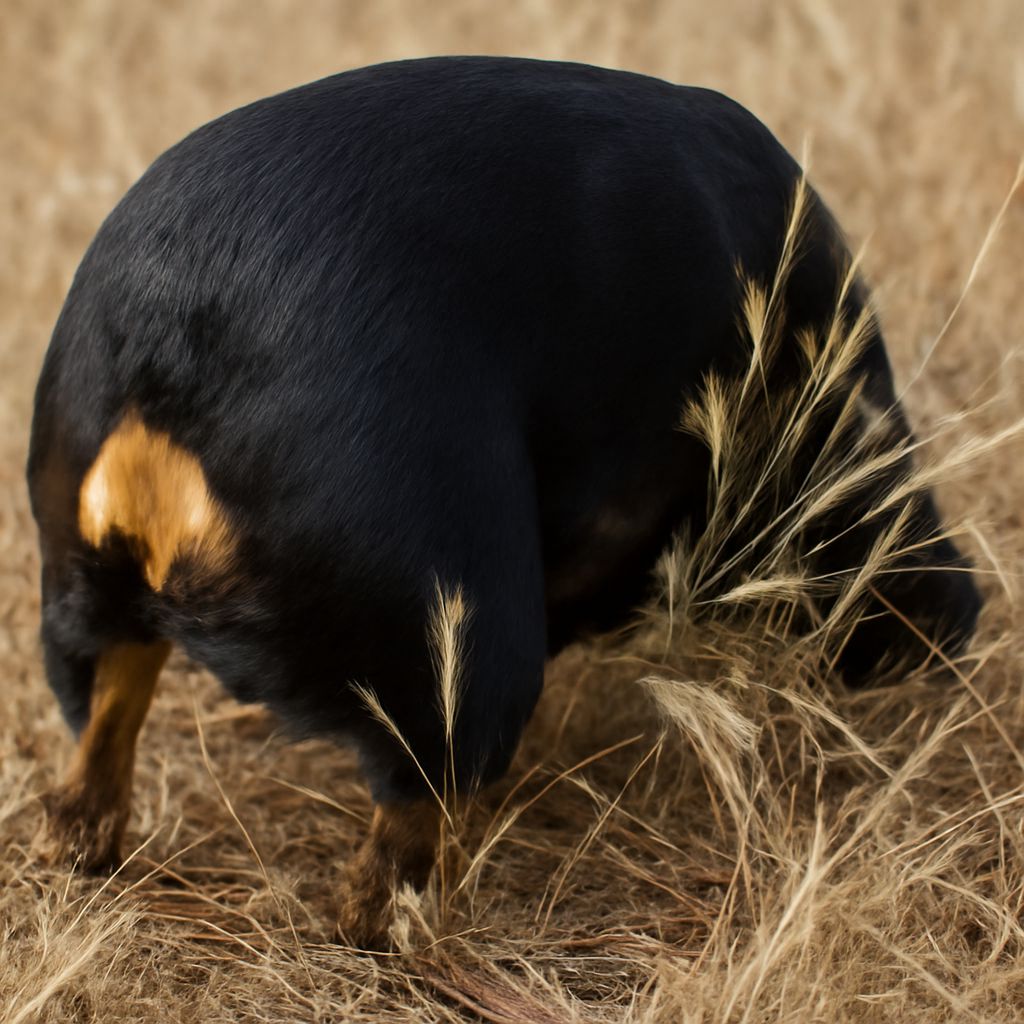
In the world of canine hazards, the term “dog foxtail” might not carry the same weight as some more well-known threats, but it is equally important to recognize its dangers. Many pet owners are unaware of how severe the risks can be, especially when it comes to foxtail in dog ear, feet, and other sensitive areas. The reality is that these seemingly harmless grass awns can cause severe discomfort and health issues for your beloved fox tail dog.
While some might dismiss foxtails as a minor nuisance, the truth is that they pose serious threats to canine health. Foxtails can penetrate the skin, enter ear canals, and even migrate through a dog’s body, leading to infections and potentially severe complications. Protecting your dog from these hazards is crucial for their overall well-being. Understanding the risks and implementing preventive measures can make all the difference in keeping your pet safe.
What is a Foxtail and Why is it Dangerous to Dogs?
Foxtails are seed clusters from various types of grasses, such as barley and rye. They are designed to attach to animals and disperse. Unfortunately, their barbed structure can embed in a dog’s fur and skin. Once a foxtail penetrates a dog’s body, it can cause irritation, infection, or worse.
The real threat comes from their ability to migrate internally, potentially causing internal damage. Foxtail grasses are prevalent in many regions, particularly during dry months, posing a widespread risk. Dogs exploring grassy areas are especially susceptible to encounters with foxtails.
How to Identify Foxtail in Dogs: Symptoms and Signs
Recognizing the signs of foxtail exposure is essential for timely intervention. Common symptoms include excessive licking of the paws, head shaking, and persistent sneezing. A dog with a foxtail in the ear might scratch repeatedly or tilt its head to one side.
Other signs may include redness, swelling, or discharge from the affected area. If a foxtail has penetrated the skin, a small, painful lump may form. Immediate attention from a veterinarian is crucial if any of these symptoms are observed, as untreated foxtail injuries can escalate rapidly.
Preventing Foxtail in Dog Ears and Other Areas
Prevention is the best approach to protect your canine from foxtail hazards. Regular grooming and thorough inspections after outdoor activities can significantly reduce the risk. Pay special attention to the paws, ears, and underbelly.
Consider avoiding areas with tall dry grass during peak foxtail seasons. For those living in regions with high foxtail exposure, using protective gear like dog boots or foxtail-safe vests can offer additional protection.
Effective Treatment for Foxtail in Dogs
If a foxtail does become embedded, professional treatment is often necessary. A veterinarian should be consulted for the removal of foxtails, especially if located in sensitive areas like the ears or nose. Attempting to extract foxtails at home can lead to further injury.
In cases of infection or severe damage, antibiotics or surgical intervention may be required. Early treatment minimizes complications and ensures a swift recovery for your pet.
Tips for Keeping Your Dog Safe from Foxtails
Routine checks are invaluable in managing the risk of foxtail injuries. Regularly inspect your dog’s coat and skin, particularly after walks or hikes. Trimming long hair around the paws and ears can also help prevent foxtails from lodging.
Educating yourself about the local flora and identifying foxtail plants in your environment enables proactive avoidance. When in doubt about foxtail removal or potential injuries, always seek guidance from a licensed veterinary professional.
Bottom line: Foxtails pose a significant yet often overlooked threat to dogs. Being vigilant and taking preventive measures can safeguard your dog from these harmful grass awns. Prioritize your pet’s health by staying informed and prepared.