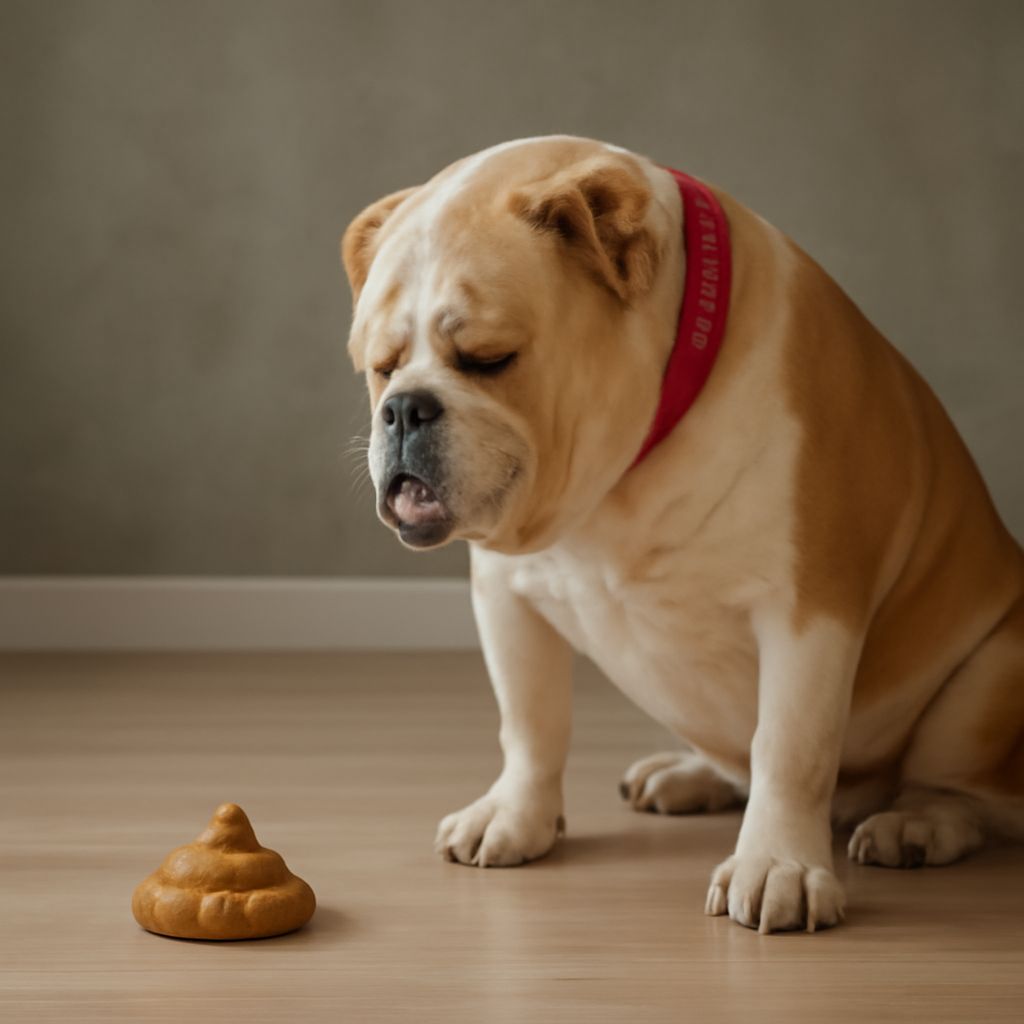
Dog poop yellow hues can stir anxiety among pet owners. It’s a common misunderstanding that bright yellow dog poop automatically signifies severe illness. In reality, a dog’s stool being yellow might not always indicate a dire condition. Understanding the reasons behind this occurrence can provide clarity and alleviate unnecessary worries. It’s pivotal to examine why your dog has yellow poop and understand the context of their health.
Why Is My Dog’s Poop Yellow?
Common Causes of Yellow Poop in Dogs
Several factors could contribute to why a dog experiences yellow stool. Dietary changes are a frequent cause. Ingredients like turmeric or yellow-colored dog food can temporarily alter stool color. Additionally, bile, naturally produced during digestion, can result in a yellow hue if not fully processed, leading to yellowish dog poop. It’s crucial to consider if your dog has had a recent change in diet or food color additives.
When to Worry About Yellow Dog Poop
While yellow poop might be benign, it can also signal health issues. If your dog’s stool is bright and yellow consistently, or if it’s accompanied by other symptoms like vomiting or lethargy, consulting a veterinarian is advisable. Chronic yellow poop can be indicative of liver or pancreatic problems, requiring professional diagnostic tests. Immediate attention is necessary when these symptoms persist.
How to Treat Yellow Dog Poop
Dietary Changes for Your Dog
Tackling yellow poop often involves adjusting what your dog eats. Introducing a high-fiber diet can help regulate digestion and color of the stool. Ensure a balanced diet free from artificial colors and excessive fatty foods. Gradual transitions in dog food can also prevent digestive distress, which is occasionally why dogs exhibit yellow stools.
When to Consult a Veterinarian
If dietary changes don’t resolve the issue, seeking veterinary advice is crucial. A professional can perform necessary examinations to rule out underlying conditions. Licensed veterinarians are equipped to handle complex diagnoses like liver dysfunction, which could be causing the persistent yellow hue in your dog’s stool. Regular check-ups are recommended for comprehensive health monitoring.
Preventing Yellow Poop in Dogs
Maintaining a Healthy Diet
Prevention is achievable with a well-maintained diet. Incorporate whole grains and lean proteins into your dog’s meals, minimizing artificial additives. This not only supports digestive health but can also prevent color changes in stool. A consistent diet promotes regular bowel movements and can stave off the onset of yellow-stool-related issues.
Regular Vet Check-Ups
Routine veterinary visits are essential in maintaining your dog’s health. They offer opportunities to discuss any digestive anomalies, like recurrent yellow poop. Veterinarians can provide guidance tailored to your dog’s unique health needs, ensuring any potential issues are addressed promptly. Scheduled check-ups are a proactive measure in preserving your dog’s digestive well-being.
Bottom line: Yellow poop in dogs can stem from various benign or serious causes. By understanding dietary impacts and when professional consultation is necessary, pet owners can effectively manage and prevent yellow stool issues. Monitoring your dog’s health through regular vet visits plays a key role in maintaining their digestive health.