There are countless misconceptions about keeping lizards as pets. Many believe that these fascinating reptiles require excessive care, are dangerous, or are not suitable for beginners. In reality, pet lizards can be highly rewarding companions for people at any experience level. With the right information, selecting the best pet lizards can be an enjoyable and enlightening journey.
Understanding the different types of lizards for pets and how to properly care for them is crucial. Some lizards pets are easier to handle and maintain than others, making them ideal for newcomers to the reptile world. Good pet lizards can provide years of companionship and satisfaction, as long as their specific needs are met.
Why Choose Lizards as Pets?
Benefits of Having a Pet Lizard
Lizards offer numerous benefits as pets. They are generally low-maintenance, with many species thriving on minimal daily care. These reptiles are often hypoallergenic, making them suitable for those who suffer from allergies. Additionally, lizards provide a unique and exotic presence in a home, captivating the interest of visitors and enriching the household environment.
Things to Consider Before Getting a Lizard
Before acquiring a lizard, it is important to consider factors such as the species’ size, temperament, and specific care requirements. Prospective owners should research the lizard’s natural habitat and ensure they can replicate those conditions adequately. Understanding the long-term commitment in terms of time and resources is key to a successful lizard ownership experience.
Top Pet Lizards for Beginners
Bearded Dragons
Bearded Dragons are among the most popular lizards for beginners. Known for their docile nature and ease of handling, these reptiles are a great introduction to lizard care. They require a moderate-sized enclosure and thrive on a diet of insects and leafy greens.
Leopard Geckos
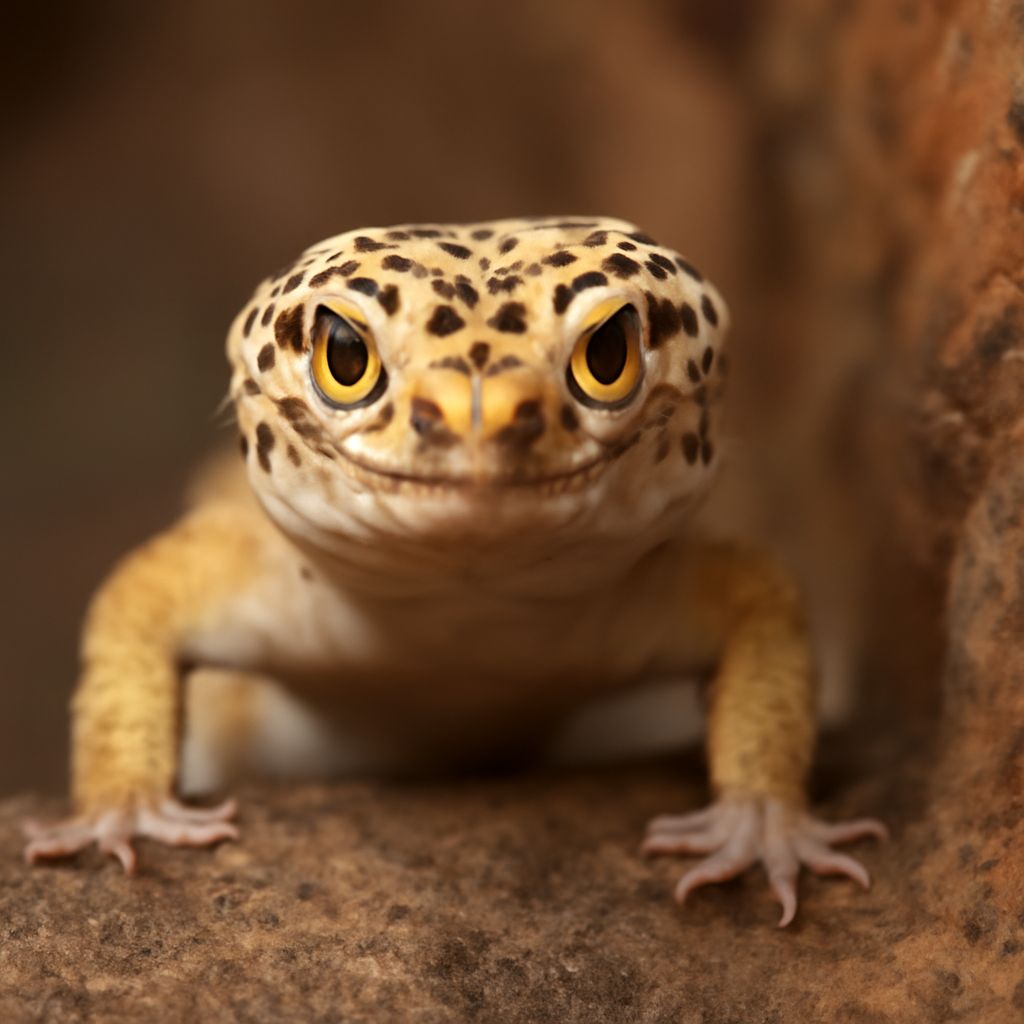
Leopard Geckos are small, easy-to-care-for pets lizards that are perfect for those new to reptiles. They are hardy creatures that can adapt to various environments, requiring minimal space and a simple diet of insects. Their friendly demeanor and striking appearance make them a favorite among reptile enthusiasts.
Blue-Tongue Skinks
Blue-Tongue Skinks are known for their distinctive blue tongues and gentle temperament. These lizards are relatively easy to care for and have a varied diet that includes fruits, vegetables, and protein sources. Their placid nature makes them suitable for handling and interaction.
Different Types of Lizards for Pets
Popular Lizard Species
Besides the well-known beginner-friendly species, other popular lizards include Crested Geckos and Green Anoles. Crested Geckos are noted for their unique appearance and climbing abilities, while Green Anoles are small and active, requiring a warm, humid environment.
Lesser-Known Lizards
Lesser-known species such as the Chinese Water Dragon and the Cuban False Chameleon offer unique challenges and rewards. These lizards often demand more specific care and environments, appealing to those looking for a more involved pet-keeping experience.
Caring for Your Pet Lizard
Habitat Setup
Creating a suitable habitat is crucial for the well-being of a pet lizard. This involves selecting an appropriate-sized enclosure, maintaining the correct temperature and humidity levels, and providing necessary hiding spots and substrate. Regular cleaning and habitat maintenance ensure a healthy living environment.
Diet and Nutrition
A balanced diet is essential for the health of lizards pets. This varies depending on the species, with some requiring a mix of insects, fruits, and vegetables, while others might need more specialized supplements. Consulting a veterinarian can provide guidance on proper nutrition and dietary needs.
Health and Wellness
Regular health check-ups, observing behavioral changes, and addressing signs of illness promptly are vital for maintaining a lizard’s health. In cases of complex issues such as color change or severe damage, consulting a licensed exotic pet veterinarian is advisable to ensure the best care for your reptilian friend.